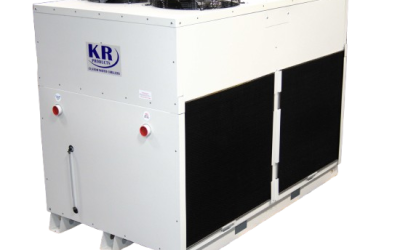
Achieving exceptional results in homebrewing hinges on controlling the fermentation environment. Many seasoned brewers know that temperature fluctuations can make or break a batch, impacting everything from flavor profiles to clarity. For those searching online for the best way to keep their brews at the optimal temperature, a fermentation chiller is a top solution. These systems are designed to maintain a stable, ideal environment throughout the entire fermentation process, ensuring that every batch meets high-quality standards.
Why Temperature Control Matters in Homebrewing
Temperature is one of the most critical factors during fermentation. When yeast ferments outside of its preferred temperature range, it can produce unwanted flavors, off-aroma, and even stall the fermentation process. Inconsistent temperatures can lead to under-attenuated beers or overly estery and phenolic notes, which detract from the intended style. For homebrewers who strive for consistency and quality, managing the fermentation temperature is as important as recipe formulation or ingredient selection.
How a Fermentation Chiller Works
A fermentation chiller is a device that regulates the temperature of your fermenting vessel, often using cooled air or liquid. These systems typically feature:
• Insulated Enclosures. Helps maintain a steady internal temperature.
• Cooling Units. Uses either thermoelectric or compressor technology to cool the air or liquid.
• Temperature Controllers. Allows precise adjustment and monitoring.
Some chillers are designed for single fermenters, while others can accommodate multiple vessels or larger batches. By providing a controlled environment, these devices enable brewers to target specific yeast profiles and fermentation timelines, resulting in more predictable outcomes.
Benefits of Using a Fermentation Chiller
Incorporating a fermentation chiller into your brewing setup brings several key advantages:
1. Consistent Quality. By maintaining the ideal temperature, you produce repeatable results batch after batch.
2. Expanded Recipe Options. Lagering and brewing with temperature-sensitive yeasts become accessible, even in warm climates.
3. Reduced Risk of Off-Flavors. Controlled environments prevent the formation of unwanted byproducts.
4. Year-Round Brewing. No need to worry about seasonal temperature swings affecting your fermentation.
These benefits make the investment worthwhile for hobbyists and serious homebrewers alike.
Tips for Getting the Most Out of Your Fermentation Chiller
To maximize the effectiveness of your chiller, consider these best practices:
• Monitor Regularly. Use digital thermometers or temperature controllers for accurate readings.
• Pre-Cool Before Pitching Yeast. Ensure the vessel is at target temperature before adding yeast.
• Maintain Cleanliness. Regularly clean both the chiller and the fermentation vessel to prevent contamination.
• Insulate Properly. Additional insulation can help with energy efficiency, especially in extreme climates.
By following these guidelines, you can ensure your equipment delivers consistent performance batch after batch.
Elevate Your Homebrewing Experience
Perfecting your homebrew is about more than just selecting the right ingredients or following a proven recipe. Consistently controlling fermentation temperatures is the key to unlocking new flavors and achieving professional-quality results at home. With a fermentation chiller, you gain the precision and confidence to experiment with new styles and techniques, knowing that each batch will benefit from a stable fermentation environment. Whether you’re a novice or a seasoned brewer, investing in reliable temperature control can transform your brewing journey—one perfect batch at a time.