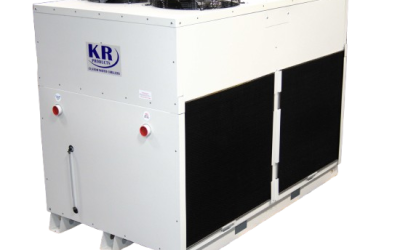
Magnetic Resonance Imaging (MRI) has become a cornerstone of modern diagnostic medicine, offering non-invasive insights into the human body with remarkable clarity. As imaging centers strive to deliver quick, accurate results while ensuring patient safety, advanced technologies are continually being integrated into their operations. One critical component that supports both performance and safety—though often working behind the scenes—is the MRI cooling system. Understanding how this system functions and its impact on daily operations reveals why it is so essential in today’s imaging environments.
The Importance of Temperature Control in MRI Technology
MRI machines rely on powerful magnets, often superconducting, which must be kept at extremely low temperatures—sometimes as low as -452°F (using liquid helium)—to function properly. Without precise temperature regulation, these magnets can lose their superconducting properties, leading to equipment failure, costly repairs, and extended downtime. An effective cooling system is therefore indispensable, safeguarding the integrity of the imaging process while protecting substantial investments in equipment.
Enhancing Performance with Consistent Cooling
A robust cooling system offers significant benefits for the overall performance of MRI machines. Key advantages include:
- Optimal Image Quality: Stable operating temperatures ensure the magnets operate at their peak efficiency, resulting in sharper, more reliable images for accurate diagnosis.
- Increased Uptime: By preventing overheating and potential magnet quenching, cooling systems minimize disruptions, allowing imaging centers to serve more patients without unexpected delays.
- Extended Equipment Lifespan: Consistent cooling reduces thermal stress on sensitive components, lowering the risk of premature wear and extending the useful life of expensive MRI devices.
These improvements not only boost the productivity of imaging centers but also enhance the overall patient experience by reducing wait times and ensuring consistent, high-quality results.
Prioritizing Safety for Patients and Staff
Beyond performance, safety is a top priority in any clinical setting. MRI equipment generates significant heat during operation, and without proper cooling, components can become dangerously hot, posing risks to both patients and staff. Effective cooling systems help mitigate these risks by:
- Preventing Overheating: Continuous temperature regulation ensures that critical parts remain within safe limits, reducing the risk of burns or other heat-related injuries.
- Minimizing Equipment Malfunctions: By maintaining stable conditions, cooling systems decrease the likelihood of sudden equipment failures that could compromise patient safety during scans.
- Supporting Emergency Protocols: In the rare event of a system fault, advanced cooling solutions can assist in controlled shutdowns, further protecting both people and equipment.
Supporting Modern Imaging Center Operations
Today’s imaging centers face increasing demand for rapid, reliable diagnostic services. Integrating advanced cooling technology supports this goal by streamlining workflow, improving scheduling efficiency, and reducing the burden of maintenance and repairs. Additionally, many cooling systems are now designed with energy efficiency in mind, helping centers manage operational costs while reducing their environmental footprint.
Final Thoughts
The adoption of a reliable MRI cooling system is a vital step for any imaging center seeking to balance high performance with uncompromising safety. By ensuring optimal operating conditions for sensitive medical equipment, these systems help deliver sharper images, minimize downtime, and safeguard both patients and staff. As technology continues to evolve, investing in advanced cooling solutions remains an essential strategy for maintaining excellence in modern medical imaging.