Short version:
- Verify licensing, drilling method, and service area before signing any contract with a well drilling company.
- Ask about well depth estimates, water testing options, and warranty terms up front.
- Compare pump installation and filtration add-ons since most residential wells need both.
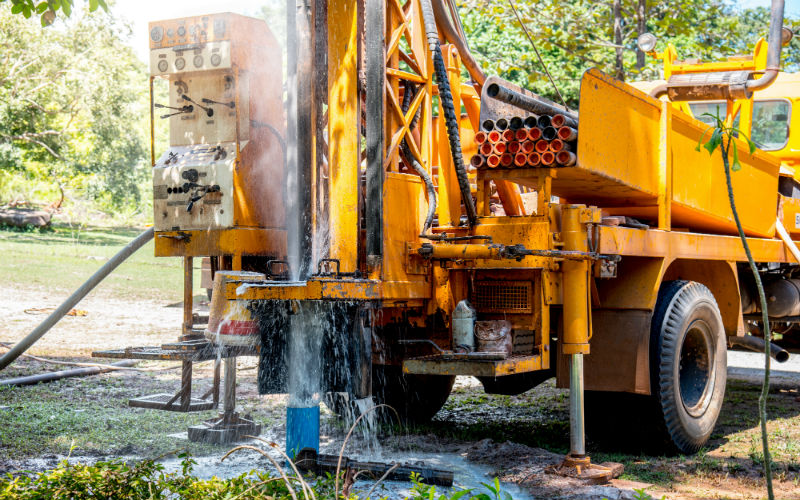
Hiring the right well drilling contractor comes down to confirming licensing, understanding the drilling process for your property, and clarifying what happens after the well is in the ground. Property owners searching for a well drilling company in Great Falls, MT typically need clear answers on timelines, depth estimates, and whether pump installation and water treatment are included or separate services.
Montana requires licensed water well contractors to register with the state, and confirming that license status is one of the simplest ways to screen a candidate before committing to a project. The Montana Board of Water Well Contractors maintains driller records, and reputable companies will readily share their license number when asked.
What to Ask About Licensing and Experience
Montana regulates who can legally drill a water well, which means not every contractor advertising services is authorized to do the work.
Before hiring anyone, ask:
- Are you licensed as a Water Well Contractor (WWC) or Water Well Driller (WWD) in Montana?
- How long have you worked in the Great Falls area specifically?
- Can you provide references from recent residential, farm, or commercial projects?
- Do you carry liability insurance that covers drilling-related property damage?
A contractor who hesitates to answer these questions, or cannot produce a license number, is a sign to keep looking.
Questions About the Drilling Process Itself
Local geology varies across north-central Montana, so depth and drilling method matter more than a flat quote. Western Water Wells notes that most wells require site-specific evaluation rather than a one-size estimate, since soil type and aquifer depth shift from property to property.
Ask a prospective driller:
- What drilling method will you use, and why is it suited to my property.
- What is the estimated depth range based on nearby wells in my area.
- How long will drilling and completion take from start to finish.
- What happens if you hit rock, low yield, or unexpected conditions.
- Will you handle permitting with local or state authorities.
Comparing Service Scope Before You Sign
Not every company bundles the same services, and gaps in scope often surface after drilling begins. The table below outlines common service categories to confirm with any contractor.
| Service Area | Why It Matters | Questions to Confirm |
| Well Drilling | Core service; depth and method affect cost and yield | Residential, farm, or commercial scope covered |
| Pump Installation | Wells need a pump system to deliver water to the home | Included in quote or billed separately |
| Water Filtration | Addresses sediment, hardness, bacteria, or odor issues | Reverse osmosis, UV disinfection, or softening available |
| Well Inspection | Confirms function of existing wells before purchase or reuse | Inspection reports provided in writing |
Western Water Wells lists residential, farm and ranch, and commercial well drilling alongside pump installation and water filtration as core offerings, which reflects the kind of full-scope service worth confirming with any contractor you consider.
Water Quality and Testing Questions
Well water is not subject to the same oversight as municipal water systems, so testing responsibility falls on the property owner. The CDC’s guidelines for testing well water confirm that federal rules protecting public drinking water systems do not apply to privately owned wells, which means annual testing is left to the homeowner.
Ask your contractor:
- Do you test water quality after drilling is complete.
- What contaminants are common in this part of Montana.
- Can you recommend a certified lab if additional testing is needed.
- What filtration options address sediment, hardness, or bacteria if the test comes back with concerns.
A contractor who connects drilling with water testing and filtration guidance is better positioned to support the well over its lifespan, not just at installation.
Frequently Asked Questions
How deep do wells typically need to be drilled in the Great Falls area? Depth depends on local aquifer conditions and varies by property, so a site evaluation is the only reliable way to get an accurate estimate.
Does a well drilling company also handle pump installation? Many full-service contractors, including Western Water Wells, offer pump installation alongside drilling so the well is functional from day one rather than requiring a separate contractor.
Is water testing required after a new well is drilled? Testing is not federally mandated for private wells, but it is strongly recommended annually to check for bacteria, nitrates, and other common contaminants.
What should I do if my well is for farm or livestock use rather than a home? Agricultural wells often need different yield and durability standards than residential wells, so confirm the contractor has specific experience with farm and ranch systems.
Asking the right questions before hiring a drilling contractor protects both your budget and your long-term water quality. Western Water Wells offers residential, farm and ranch, and commercial well drilling along with pump installation and water filtration services across the Great Falls area, giving property owners a single point of contact from the first consultation through ongoing water care.