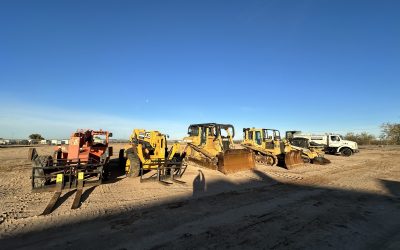
Construction projects, whether large-scale infrastructure developments or smaller building sites, demand careful planning to ensure both safety and efficiency. One of the most overlooked aspects of site preparation is protecting the ground from heavy equipment and machinery. Among the most effective solutions available, Crane Mats have become a popular search term for site managers aiming to safeguard their job sites and minimize costly repairs due to ground disturbance.
Why Ground Protection Matters on Construction Sites
Heavy equipment, such as cranes, excavators, and trucks, can exert immense pressure on the ground beneath them. This pressure often leads to soil compaction, rutting, and even permanent ground damage, which can compromise the structural integrity of the site and surrounding environment. Damage to the ground also poses risks to underground utilities, drainage systems, and can result in project delays or additional restoration costs.
The Role of Crane Mats in Preventing Ground Damage
Crane mats act as a robust barrier between heavy machinery and the ground surface. Constructed from durable materials such as hardwood or engineered composites, these mats distribute the weight of equipment evenly, reducing the risk of ground deformation. By spreading out the load, they help maintain a stable working platform even in challenging conditions like soft soil or wetlands.
Key Benefits of Using Crane Mats
1. Effective Weight Distribution By dispersing the load over a larger area, crane mats prevent deep ruts and soil compaction, ensuring the ground remains intact.
2. Enhanced Safety Stable platforms reduce the risk of equipment tipping or becoming stuck, improving safety for workers and machinery alike.
3. Environmental Protection Minimizing ground disturbance helps protect sensitive ecosystems, especially in areas near water or on undeveloped land.
4. Versatility Suitable for a wide range of equipment and ground conditions, crane mats are used in construction, utility work, and other heavy-duty applications.
5. Cost Savings Preventing ground damage reduces the need for expensive site restoration, saving both time and money in the long run.
Choosing the Right Crane Mats for Your Project
Selecting the appropriate crane mats depends on several factors, including the type of equipment, ground conditions, and project duration. Here are a few considerations:
• Material: Hardwood mats are traditional and offer excellent durability, while composite mats provide lighter weight and resistance to moisture.
• Size and Thickness: The mat dimensions should match the weight and footprint of the machinery.
• Installation and Removal: Easy handling and reusability are important for efficient site management.
Consulting with a site engineer or ground protection specialist can help determine the best matting solution for your specific needs.
Best Practices for Using Crane Mats
To get the most out of crane mats, follow these best practices:
• Inspect mats regularly for signs of wear or damage.
• Ensure proper placement and secure mats to prevent shifting during use.
• Clean mats after use to prevent cross-contamination between job sites.
• Store mats in a dry, level area to prolong their lifespan.
Implementing these practices helps maximize the effectiveness of ground protection efforts.
Protecting Your Site and Investment
Safeguarding your construction site from ground damage is essential for successful project completion and long-term site sustainability. Using specialized crane mats to support heavy equipment not only preserves the integrity of the ground but also enhances safety, protects the environment, and reduces overall project costs. By making ground protection a priority, construction professionals can ensure their sites remain secure, efficient, and prepared for any challenge.