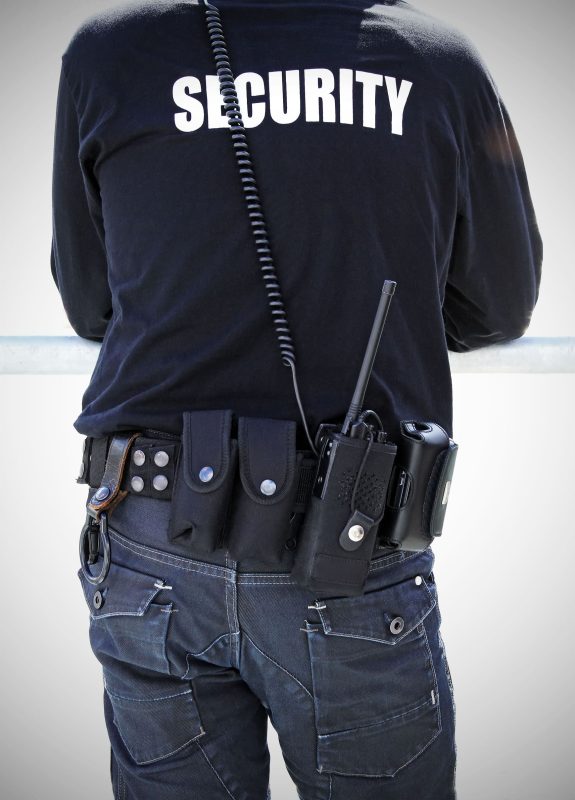
Busy commercial properties often have employees, customers, vendors, contractors, delivery drivers, and visitors entering throughout the day. Security guards support access management by verifying entry, monitoring shared areas, enforcing property procedures, and documenting activity that may require follow-up.
Access management is not simply about keeping doors locked. It involves creating an organized process for determining who may enter, where they may go, and what steps should be followed when authorization cannot be confirmed.
What Does Access Management Include?
Access management refers to the procedures used to control entry into a building, parking area, loading zone, office suite, or other restricted space. The exact process depends on the type of commercial property and how it operates.
An office building may require visitors to sign in and receive a temporary badge. A warehouse may verify drivers, delivery paperwork, and scheduled arrival times. A retail property may focus more heavily on employee entrances, service corridors, and areas that are closed to customers.
Security guards help apply these procedures consistently. Their responsibilities may include checking identification, confirming appointments, maintaining visitor records, issuing badges, observing entrances, and contacting an authorized representative when questions arise.
How Do Guards Verify Employees and Visitors?
Verification helps determine whether a person has a legitimate reason to be on the property. Depending on site procedures, a guard may review identification, check an employee credential, confirm a name on an approved visitor list, or contact the individual the visitor is meeting.
Commercial properties should provide guards with clear instructions about acceptable credentials and approval procedures. Guards should also know who may authorize exceptions, such as an employee arriving without a badge or a vendor needing access outside the usual delivery window.
Consistent verification reduces confusion. It also prevents different employees, tenants, or shifts from applying access rules in different ways.
How Are Vendors and Delivery Drivers Managed?
Vendors and delivery drivers often need access to areas that are not open to the general public. These locations may include loading docks, maintenance rooms, storage areas, service elevators, or rear entrances.
A guard may confirm the company name, delivery destination, scheduled arrival time, vehicle information, and contact person. The property may also require drivers to wait in a designated location until receiving personnel are ready.
Clear delivery procedures can help reduce congestion near entrances and prevent drivers from entering restricted areas without direction. They also give property managers a record of when vendors arrived and departed.
What Happens When Someone Cannot Be Authorized?
When authorization cannot be confirmed, guards should follow written property procedures rather than make assumptions. They may ask the person to wait, contact a tenant or manager, deny access, or direct the individual to another entrance.
Communication should remain calm and factual. Guards can explain the applicable access rule without sharing private information about employees, tenants, or property operations.
If someone refuses to follow instructions, attempts to bypass a checkpoint, or creates an immediate concern, the guard may follow the established escalation process. This could involve contacting a supervisor, notifying property management, or requesting assistance from emergency services when appropriate.
Why Are Patrols Part of Access Management?
Not every entry point can be monitored from a lobby desk or security gate. Commercial properties may have side doors, parking structures, stairwells, loading areas, service corridors, vacant units, and outdoor walkways.
Regular patrols help guards observe these areas for unsecured doors, damaged locks, unfamiliar activity, or people remaining where they are not authorized. Patrols also provide a visible presence throughout the property instead of limiting security coverage to one entrance.
In Phoenix, larger commercial properties may include several connected buildings, broad parking areas, and multiple tenant entrances. Patrol routes should reflect the property layout, hours of operation, and locations that require closer attention.
How Does Documentation Support Property Management?
Documentation gives property managers a factual record of access-related activity. A report may include the date, time, location, people involved, verification steps, instructions provided, and final outcome.
Reports can help identify recurring problems. For example, management may notice that vendors frequently arrive outside approved hours, a particular door is repeatedly found unsecured, or visitor instructions are unclear at one building.
Accurate records also improve communication between shifts. An issue observed in the evening can be reviewed by the next guard, building manager, or tenant representative the following day.
What Should Property Managers Provide to Guards?
Security guards need current information to manage access effectively. Property managers should provide:
- Tenant and employee contact information
- Approved vendor and contractor lists
- Delivery schedules
- Building and parking access rules
- Restricted-area instructions
- Visitor badge procedures
- Emergency contacts
- Escalation requirements
- Instructions for after-hours entry
These details should be updated whenever tenants change, employees leave, entrances are modified, or operating schedules shift. Outdated information can cause unnecessary delays or inconsistent access decisions.
How Can a Security Guard Company Fit Into an Access Plan?
A security guard company should review the property’s daily operations before establishing post responsibilities. This includes understanding visitor volume, tenant schedules, delivery activity, parking patterns, restricted spaces, and after-hours concerns.
Depending on the site, coverage may involve a fixed guard at an entrance, patrols across several buildings, gate monitoring, or a combination of these duties. Professional security guard services can support armed or unarmed coverage, access control, visitor verification, and property-specific reporting procedures.
When comparing security guard companies, property managers should ask how officers receive site instructions, how access changes are communicated, and how incidents are documented. These operational details are often more important than applying the same security plan to every location.
How Can Phoenix Commercial Properties Improve Access Management?
Effective access management begins with clear rules, current information, and consistent enforcement. Commercial property managers should identify every entry point, define who may approve visitors, establish vendor procedures, and review how access concerns will be documented.
Security guards support this process by maintaining visibility, verifying entry, monitoring shared areas, and communicating concerns to the appropriate property representative. When procedures are designed around the property’s actual operations, access management can remain organized even during busy periods.