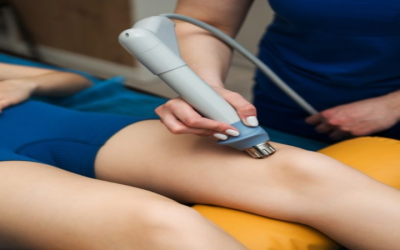
The amount of pull used during lumbar decompression is selected according to the patient’s body size, symptoms, treatment area, comfort, and response to care. A chiropractor generally begins with a conservative setting and adjusts the traction gradually rather than using the same force for every patient.
What Does “Pull” Mean During Lumbar Decompression?
The “pull” is the controlled traction force applied by a motorized table during lumbar decompression therapy. The patient lies on the table while a harness or support system stabilizes the pelvis and upper body. The machine then applies and releases traction in measured cycles.
This force creates a gentle lengthening effect through the lower spine. It is different from a sudden chiropractic adjustment and should not feel like a forceful tug.
Lumbar spine decompression is usually delivered gradually. The table may increase tension, hold it briefly, and then reduce it before repeating the cycle. This allows the patient and chiropractor to observe how the lower back responds.
Is Traction Force Based Only on Body Weight?
Body weight may be one factor, but it is not the only consideration. Two patients of the same weight may require different settings because their symptoms, medical histories, sensitivity levels, and treatment goals are not identical.
A chiropractor may also consider where discomfort is located, whether symptoms travel into a leg, how long the problem has been present, and which movements affect it. Previous spinal injuries, surgery, osteoporosis, and other health concerns may influence whether treatment is appropriate.
Lower lumbar decompression should therefore not begin with a standard setting chosen only from a chart. Treatment should be individualized and adjusted according to the patient’s response.
Why Does Treatment Usually Begin Conservatively?
A first spinal decompression treatment often begins with a gentle setting. Starting conservatively allows the chiropractor to assess comfort, muscle response, and any changes in symptoms.
More force does not automatically create a better result. Excessive traction may cause guarding, muscle tightening, soreness, or increased discomfort. The goal is to use enough controlled force to create a therapeutic stretch without overwhelming the tissues.
A gradual approach also gives the patient time to understand the sensation and communicate clearly during the session.
How Does Positioning Affect the Amount of Pull?
Positioning changes how traction is directed through the lumbar spine. The angle of the table, placement of the harness, position of the hips, and amount of knee support can influence where the stretch is felt.
A small adjustment in position may change how the force reaches the lower lumbar region. Because of this, the numerical setting on the machine does not tell the entire story. The same amount of pull can feel different when the patient’s position changes.
The chiropractor may modify the setup to improve comfort or direct treatment toward the intended area. Proper positioning also helps limit unnecessary movement during the traction cycle.
What Should a Patient Feel During the Session?
Patients often describe lumbar decompression as a gradual stretching sensation through the lower back. The feeling should remain controlled and tolerable.
Sharp pain, increasing leg symptoms, new numbness, dizziness, or muscle spasms should be reported immediately. The chiropractor can reduce the force, change the position, pause the machine, or stop the session.
Clear communication matters because comfort cannot be judged by the equipment alone. A setting that appears conservative may still feel too strong for a particular patient.
Can the Amount of Pull Change Between Visits?
Yes. The setting may be increased gradually, reduced, or kept the same depending on the patient’s response between appointments.
The chiropractor may ask about soreness, changes in leg symptoms, easier movement, sitting tolerance, sleep, or worsening after the previous session. These details help guide the next treatment.
Progress is not measured by how much force a patient can tolerate. The purpose of lumbar decompression therapy is not to reach the highest possible setting. Decisions should be based on meaningful changes in comfort, movement, and daily activity.
How Is Progress Evaluated During Treatment?
A patient’s response may be assessed through symptom location, frequency, intensity, and duration. The chiropractor may also monitor range of motion, walking tolerance, sleep comfort, or the ability to sit and complete normal activities.
If symptoms move farther down the leg, become more intense, or are joined by weakness or loss of sensation, the plan may need to be reconsidered. Another evaluation or referral may be appropriate.
The amount of traction, session length, positioning, and frequency can all be adjusted as new information becomes available.
What Should Patients Ask Before Starting?
Patients can ask how the initial force will be selected, what they should feel, and how progress will be measured. They should also share their medical history, previous spinal procedures, current medications, and any changes in strength, balance, or sensation.
Awender Chiropractic provides information about Lumbar Decompression for patients in Redwood City, CA. They evaluate each patient before determining whether this type of care may be appropriate.
The amount of pull used during lumbar decompression should not be selected by guesswork or increased simply because another visit was completed. A careful approach uses controlled settings, ongoing communication, and repeated assessment to keep treatment aligned with the patient’s needs.