In the fast-paced world of American manufacturing, maintaining optimal temperatures is crucial for both equipment longevity and product quality. As industries continue to modernize and scale operations, the demand for reliable and energy-efficient cooling solutions has never been higher. For those searching for methods to boost productivity and reduce operational costs, a water cooled industrial chiller is often at the top of the list. This advanced cooling system has become a cornerstone for manufacturers seeking to streamline processes and maximize output.
The Role of Water Cooled Industrial Chillers in Manufacturing
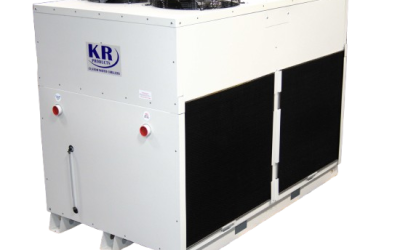
Water cooled industrial chillers are essential in various manufacturing sectors, including plastics, pharmaceuticals, food processing, and metal fabrication. These systems circulate chilled water through heat exchangers, efficiently removing excess heat generated by machinery and processes. By maintaining stable temperatures, they help prevent overheating, equipment malfunctions, and unscheduled downtime.
Key Benefits for American Manufacturers
Implementing a water cooled industrial chiller can transform manufacturing operations in several ways:
- Enhanced Equipment Performance: Consistent cooling ensures machinery operates within optimal temperature ranges, reducing wear and extending equipment lifespan.
- Improved Product Quality: Precise temperature control helps maintain uniformity in production, resulting in fewer defects and higher product quality.
- Energy Efficiency: Water cooled systems typically use less energy compared to air cooled alternatives, especially in large-scale facilities, leading to lower utility bills.
- Reduced Maintenance Costs: By preventing thermal stress and overheating, these chillers decrease the likelihood of emergency repairs and costly maintenance.
- Environmental Benefits: Efficient water cooled systems can reduce the overall carbon footprint of manufacturing operations by optimizing energy use.
How Water Cooled Chillers Work
The technology behind water cooled industrial chillers involves several interconnected components:
- Compressor: Pressurizes refrigerant to facilitate heat transfer.
- Condenser: Uses water from a cooling tower to absorb and carry away heat from the refrigerant.
- Expansion Valve: Lowers the refrigerant pressure, allowing it to absorb heat efficiently.
- Evaporator: Transfers heat from the process water to the refrigerant, cooling the water before recirculation.
This cycle enables continuous, reliable cooling even in demanding industrial environments.
Practical Considerations for Implementation
Selecting and integrating a water cooled industrial chiller requires careful planning. Key factors to evaluate include:
- Facility Size and Cooling Load: Accurately calculating the required cooling capacity ensures the system meets operational demands.
- Water Source and Quality: Reliable water supply and proper treatment are necessary to prevent scaling and corrosion.
- System Maintenance: Regular inspections and preventive maintenance help sustain efficiency and extend equipment life.
- Environmental Regulations: Compliance with local and federal standards for water usage and discharge is crucial.
Working with experienced professionals during the design and installation phase can help address these considerations and optimize system performance.
Maximizing Efficiency and Future-Proofing Manufacturing
As American manufacturing continues to evolve, the emphasis on energy efficiency and operational excellence grows stronger. Investing in a water cooled industrial chiller not only addresses immediate cooling needs but also supports long-term business goals by reducing costs and enhancing sustainability. With the right system in place, manufacturers can safeguard their equipment, improve product quality, and remain competitive in an ever-changing market.
By leveraging advanced cooling technology, American manufacturers are better equipped to meet production targets, adapt to new challenges, and achieve greater overall efficiency.