Choosing the right rental equipment for precast concrete work involves matching lifting capacity, equipment reach, site access, and material requirements to the construction plan. In Maricopa County, AZ, contractors can improve jobsite coordination by planning equipment needs before precast components arrive.
Precast concrete elements, such as wall panels, beams, columns, and structural sections, are manufactured before being transported to a project site. Their size, weight, and placement requirements affect how materials must be unloaded, moved, and positioned. Selecting appropriate machinery helps crews coordinate deliveries and prepare for installation.
What equipment is needed to handle precast concrete?
The equipment required depends on the precast component, its weight, the distance it must travel, and the location where it will be placed. Contractors should review project drawings and lifting plans before arranging machinery.
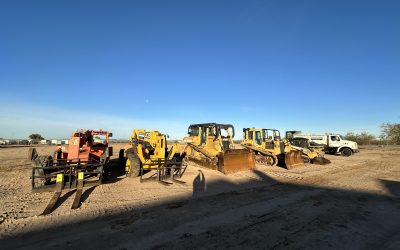
A Heavy Duty Forklift Rental may be appropriate for moving compatible loads around a staging area or unloading certain materials when the machine’s rated capacity and operating conditions permit. However, forklifts are not suitable for every precast lifting task. Large panels and structural components may require cranes or other lifting systems designed for the load and placement conditions.
An Excavator Rental may support site preparation, trenching, or earthmoving associated with a precast installation. It should not automatically be treated as a substitute for a crane or approved lifting equipment.
How should contractors assess equipment capacity?
Equipment capacity is one of the most important considerations when planning precast concrete handling.
Before reserving machinery, contractors should confirm:
- The verified weight and dimensions of each component
- The required lifting height and horizontal reach
- The equipment’s rated capacity at the intended configuration
- The ground conditions and available operating space
- The manufacturer’s operating restrictions
- The lifting accessories and attachments required
Forklift capacity can change depending on the load center, attachment, and lifting height. Contractors should consult the equipment’s capacity information rather than relying only on its advertised maximum lifting capacity.
Why does jobsite access matter for precast placement?
Precast concrete deliveries require sufficient space for trucks, unloading, temporary storage, and equipment movement. Restricted access can complicate the process, particularly on urban construction sites or projects with limited staging areas.
Before deliveries begin, contractors should identify access routes, turning areas, overhead obstructions, ground conditions, and designated unloading zones. They should also coordinate the placement sequence with delivery schedules to avoid unnecessary material movement.
In Maricopa County, AZ, site conditions vary between commercial developments, industrial properties, and smaller construction sites. Equipment selection should reflect the actual layout and restrictions of the project rather than assumptions based on location alone.
How can rental equipment improve construction coordination?
Renting machinery can help contractors obtain equipment for specific project phases without purchasing every machine their operations may occasionally require. This can be useful when precast installation creates a temporary need for additional material-handling capacity.
Planning should begin with the construction schedule. Contractors can identify when materials will arrive, how long unloading and staging will take, and which equipment must be available during each phase.
When evaluating Construction Equipment For Rental, consider availability, delivery arrangements, rental duration, transportation requirements, and the machine’s suitability for the planned application. These details should be confirmed before scheduling deliveries.
What safety considerations apply to precast concrete handling?
Precast components can be heavy, awkwardly shaped, and difficult to control if lifting or placement is poorly planned. Equipment operators and site personnel should follow the project’s approved lifting procedures, equipment instructions, and applicable safety requirements.
Important considerations include establishing clear communication between operators and ground personnel, controlling access to lifting areas, inspecting lifting accessories, and confirming that the supporting surface can handle the equipment and load.
How does equipment maintenance affect project readiness?
Rental equipment needs to be suitable for the intended work and maintained according to applicable manufacturer requirements. Contractors should review the machine’s condition before use, understand how to report faults, and confirm who is responsible for maintenance during the rental period.
Warning signs such as fluid leaks, unusual noises, damaged components, or inconsistent operation should be addressed promptly. Equipment that may be unsafe should not continue operating until the issue has been appropriately assessed.
Heavy construction equipment repair can address mechanical problems that affect construction machinery. Contractors should establish a clear process for reporting equipment issues and arranging service so that problems can be evaluated without unnecessary delays.
How should contractors prepare before equipment arrives?
Preparation helps align equipment, materials, and site operations. Before the scheduled delivery, contractors should verify the equipment requirements, confirm access and unloading arrangements, and ensure that the work area is ready.
A practical preparation checklist includes:
- Confirming equipment availability and rental dates
- Verifying component weights and placement requirements
- Preparing safe access and staging areas
- Coordinating delivery times with installation crews
- Confirming operator qualifications and responsibilities
- Reviewing equipment inspection and fault-reporting procedures
Completing these steps in advance helps crews identify potential conflicts before they affect installation activities.
Plan Equipment Around Your Precast Concrete Project
Successful precast concrete handling depends on suitable equipment, verified load requirements, safe lifting procedures, and careful scheduling. Contractors in Maricopa County, AZ can use these considerations to plan machinery needs around delivery, staging, and installation activities.
Before beginning a project, review the component specifications, jobsite layout, equipment capacity, and rental schedule with the relevant project and equipment personnel. Careful preparation helps establish a more organized process for handling precast materials and coordinating construction work.