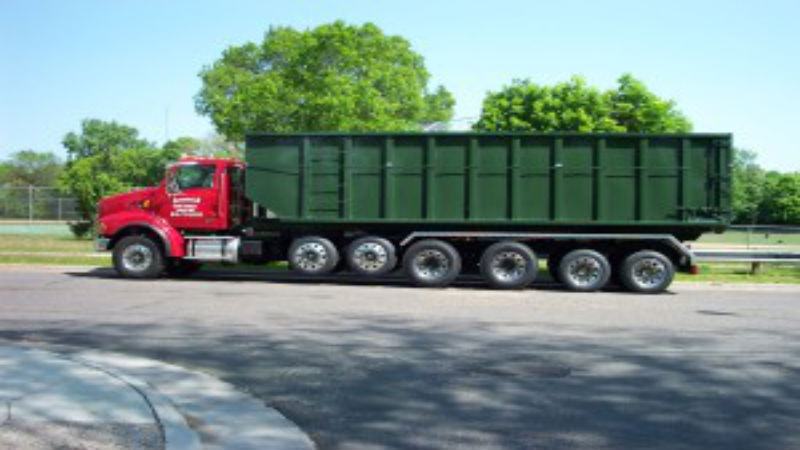
Yes, a dumpster can often be delivered before construction materials or equipment arrive, provided the site is ready and there is suitable access for delivery. For projects in Phoenix, AZ, scheduling a dumpster rental early can establish a designated location for approved debris, but the timing should match when debris-producing work will actually begin.
The goal is not necessarily to have the dumpster arrive as early as possible. Contractors should consider site readiness, expected debris, equipment schedules, material deliveries, and available space before selecting a delivery date.
When Does Early Dumpster Delivery Make Sense?
Early delivery can be practical when the first phase of work is expected to generate debris immediately. Having the dumpster available when crews begin can prevent approved materials from accumulating in areas needed for later stages of the project.
It may also make sense when the delivery area will be easier to access before additional equipment, vehicles, or building materials arrive.
However, a container delivered several days before it is needed may occupy valuable space. Contractors should compare the rental schedule with the actual project timeline before deciding how early the dumpster should arrive.
What Should Be Ready Before the Dumpster Arrives?
The placement area should be accessible before delivery. Vehicles, equipment, building materials, and other obstacles should not prevent the delivery vehicle from reaching the intended location.
Contractors should also look beyond the initial delivery. Ask whether the same access route will remain available when the dumpster needs service or removal.
For Phoenix projects with limited space, this planning can be especially useful. The container may share the property with work vehicles, stored materials, equipment, and crews throughout the project.
Should Materials or the Dumpster Arrive First?
There is no universal order. The appropriate sequence depends on what will happen during the first stage of work.
If crews will generate substantial debris before new materials are installed, having the dumpster arrive first can provide an immediate place for approved materials. If the project begins primarily with material delivery and staging, the contractor may prefer to secure those areas before the dumpster arrives.
The important point is to avoid scheduling both activities without considering their space requirements.
Delivery trucks may require room to unload lumber, flooring, cabinets, fixtures, or other supplies. Dumpsters also need an appropriate placement area and accessible service route. Coordinating the two can reduce unnecessary conflicts.
When Is a 10 Yard Dumpster Rental Practical?
A 10-yard dumpster rental may be appropriate when a project is expected to generate a relatively limited amount of approved debris. Smaller remodeling projects, property cleanouts, and other contained jobs may not require the capacity of a larger container.
Dumpster size should still be based on the expected debris rather than simply the size of the property. The type and weight of materials can influence which container is appropriate.
Contractors should consider what will be removed during the first phase and what additional debris may be generated later. If most debris will appear early in the project, the initial dumpster may need to accommodate a larger portion of the overall load.
If debris will be generated gradually, the rental schedule becomes equally important.
Can Same Day Dumpster Rental Help With Schedule Changes?
Construction schedules do not always proceed exactly as planned. A crew may become available earlier, materials may arrive sooner than expected, or work may move into a debris-producing phase ahead of schedule.
In these situations, Same Day Dumpster Rental can be useful when availability and site conditions allow. Contractors should still confirm container availability, delivery access, and timing before assuming that a particular dumpster can arrive immediately.
Same-day service can be especially relevant when a project is ready to move forward but the original dumpster schedule no longer matches the work timeline.
How Does Equipment Affect Dumpster Delivery Timing?
Equipment can change how much usable space is available on a job site. Once machinery, trailers, lifts, work vehicles, or material storage areas are established, the delivery vehicle may have fewer options for reaching the planned dumpster location.
Contractors can account for this by reviewing equipment schedules before arranging delivery.
If the container arrives first, its location should still allow equipment to reach the areas where it will be used. If equipment arrives first, contractors should make sure it does not occupy or block the area intended for the dumpster rental.
The objective is to make both activities work within the same site plan.
How Far in Advance Should Contractors Plan Dumpster Delivery?
Contractors should begin planning as soon as they know when debris-producing work is expected to start. That does not necessarily mean scheduling immediate delivery.
Instead, identify the phase when the dumpster will first be useful. Then consider whether upcoming deliveries, equipment, or other site activities could affect access around that date.
For projects with predictable schedules, arranging the dumpster ahead of time can make coordination easier. When schedules change unexpectedly, same-day availability may provide another option.
What Is the Best Time for Dumpster Delivery?
The best delivery time is when the site is accessible and crews are close to generating enough approved debris to need the container. Delivering much earlier can occupy project space, while waiting too long can leave crews without a designated debris location.
For projects in Phoenix, AZ, coordinate dumpster rental timing with material deliveries, equipment arrivals, and the start of debris-producing work.
Need a dumpster quickly? Check Same Day Dumpster Rental availability in Phoenix and schedule the right container for your project timeline.