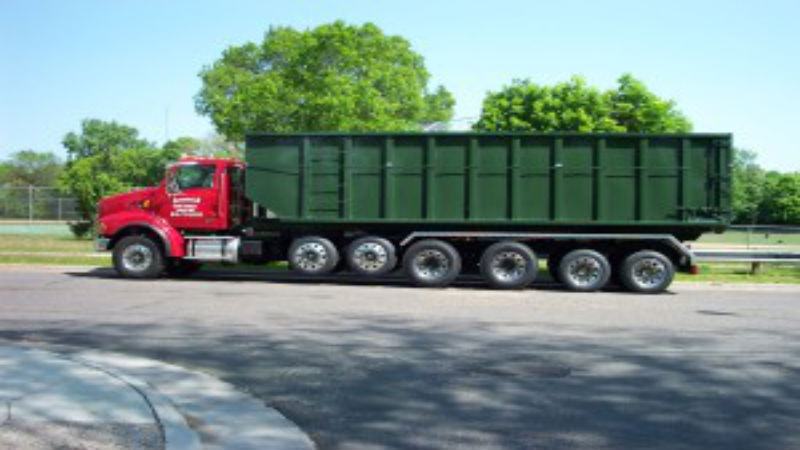
Loading a dumpster above its marked fill line can make the container unsafe or unsuitable for transportation. Materials extending beyond the walls may shift, fall onto the road, interfere with covering equipment, or require unloading before the container can be removed from a Phoenix property.
The fill line is not simply a suggestion about using space efficiently. It establishes the highest level at which debris can remain contained during hauling. Whether a project involves household materials, remodeling waste, or a construction dumpster rental, observing this boundary is an important part of responsible loading.
Why Does the Fill Line Matter During Transportation?
Dumpsters must be transported from the project site to an appropriate disposal or processing facility. During that trip, the container may encounter turns, stops, uneven roads, wind, and normal vehicle movement.
Materials stacked above the walls are more likely to shift because the container no longer surrounds them. A cabinet panel, broken board, loose box, or piece of siding may appear stable while the dumpster is stationary but move once the hauling vehicle begins traveling.
Many containers must also be covered before transportation. Debris that rises above the fill line can prevent the cover from closing securely. If the load cannot be covered or safely contained, the provider may be unable to remove it until the excess material is rearranged or taken out.
What Problems Can an Overfilled Dumpster Cause?
One immediate problem is a delayed container removal. If the driver determines that the load cannot be transported safely, the customer may need to remove material before another collection attempt can occur.
Overfilling can also create added handling. Workers may have to climb, reach, or reposition awkward materials, increasing exposure to sharp edges, unstable objects, and falling debris. Heavy items near the top can be especially difficult to move safely.
Materials extending over the sides may damage the container, nearby vehicles, fences, walls, or landscaping. Long boards and metal pieces can also interfere with the equipment used to lift the dumpster onto the truck.
A properly loaded dumpster rental should have a level profile with all contents contained below the top edge.
Does Staying Below the Fill Line Prevent Excess Weight?
Not necessarily. The fill line controls the height of the load, but it does not confirm that the container is within its weight allowance.
Dense materials such as concrete, tile, soil, brick, stone, and roofing products can create a heavy load without reaching the top. A construction dumpster may therefore be overweight even when every item is below the fill line.
Volume and weight should be monitored separately. Customers should explain what materials they plan to discard before selecting a container. The provider can then clarify material restrictions, loading limits, and whether dense debris must remain below a particular depth.
A container that looks half full may already contain the maximum safe weight for transportation.
How Should Large or Awkward Items Be Loaded?
Large objects should be broken down when practical and permitted. Cabinets, shelving, wood framing, and similar materials often use less space when separated into manageable sections.
Flat items should not be balanced vertically above the walls. They may catch the wind or shift while the container is being moved. Instead, place them securely inside the dumpster and keep their highest points below the marked limit.
Distribute weight across the container rather than building one tall pile. Begin with stable materials along the floor, then arrange smaller items to reduce large gaps. Avoid placing fragile or unstable objects underneath extremely heavy debris.
Breaking an item into smaller pieces can improve space usage, but it does not reduce its total weight. Continue monitoring both capacity factors throughout the project.
What Should You Do If the Dumpster Becomes Too Full?
Stop loading as soon as materials approach the fill line. Do not attempt to force additional debris into the container by creating unstable piles or attaching items to the exterior.
Review the load from every side because one area may extend above the walls even when the center appears level. Remove loose items resting on top and reposition materials that project beyond the container.
If significant debris remains, contact the dumpster rental provider before continuing. Depending on the project, another container or an additional hauling cycle may be more appropriate than overloading the current unit.
Advance communication can help prevent removal delays and allow the project schedule to be adjusted before the container is needed elsewhere.
How Can Phoenix Projects Avoid Overfilling?
Begin with a realistic estimate of the materials the project will produce. Consider not only the visible items but also packaging, broken components, underlayment, fixtures, and debris uncovered during the work.
Place the container close enough to the work area to encourage orderly loading, but keep the delivery and removal path accessible. Assign one person to monitor how materials are distributed if several workers will use the dumpster.
Inform everyone on the site that the container walls represent the loading limit. Clear instructions can prevent workers from adding tall piles near the end of the day.
Check Dumpsters regularly instead of waiting until the project is complete. Early adjustments are easier than unloading a container after it has been packed.
Can Covering an Overfilled Dumpster Solve the Problem?
A cover does not make an overloaded or overfilled container safe. Tarps and hauling covers are designed to contain a properly loaded dumpster, not compress materials that extend above the walls.
Placing a personal tarp over excessive debris may hide the problem temporarily, but it does not address unstable objects, excess height, or uneven weight. The container still needs to meet the provider’s transportation requirements.
The safest approach is to keep all debris below the fill line from the beginning and contact the provider whenever the amount or type of material changes unexpectedly.
Keep Every Load Safe, Level, and Ready to Haul
A successful cleanup ends with a container that can be transported safely. Before loading begins, review material limits, fill-line rules, and container capacity with professional dumpster rental services. Careful planning helps Phoenix property owners prevent exposed debris, uneven weight, scheduling delays, and extra handling while keeping each construction dumpster organized from delivery through final removal without complications or last-minute adjustments.