Climbing stairs may feel different on one side when the ankles, knees, hips, pelvis, or spine do not contribute equally to the movement. One leg may feel stronger or more stable, while the other side may feel stiff, unsteady, uncomfortable, or difficult to push through.
Stair climbing requires more than leg strength. Each step depends on coordinated joint movement, balance, weight transfer, and muscle control. When one part of that system moves differently, the body may compensate elsewhere to continue climbing.
What Happens to the Body When Climbing Stairs?
Climbing a staircase begins with placing one foot on the next step and shifting body weight onto that leg. The ankle bends, the knee flexes, and the hip prepares to lift the body. The leg then straightens as the opposite foot leaves the lower step.
The pelvis must remain controlled while the spine helps keep the upper body balanced. The muscles surrounding the abdomen, hips, and lower back also manage the forces created as the body moves upward.
Because each leg briefly supports most of the body’s weight, differences between sides may become more noticeable on stairs than during level walking. A person might consistently lead with the same leg, pull harder on the handrail, or rotate the body to avoid loading the less comfortable side.
Why Can Limited Ankle Movement Affect Each Step?
The ankle needs enough forward motion to allow the knee to move over the foot as the body rises. If that movement is limited, the heel may lift early or the foot may turn outward.
The body may compensate by leaning forward, shifting toward the opposite side, or placing more pressure through another joint. These adjustments can change how the knee, hip, pelvis, and lower back work during each step.
Past ankle sprains, calf tightness, joint stiffness, and footwear can all influence ankle movement. However, the location of the restriction cannot be determined from symptoms alone. A physical evaluation is needed to understand which movements are limited and how the body responds.
How Do the Knees and Hips Influence Stair Climbing?
The knee straightens to help raise the body, while the hip muscles provide power and stabilize the pelvis. If one side is painful, weak, or restricted, the other side may take on more of the work.
Someone with reduced hip control may allow the pelvis to drop or the knee to move inward. Another person may push strongly through one leg but struggle to lower the body in a controlled manner when descending.
Difficulty climbing and difficulty descending may also have different contributing factors. Going upward generally requires more force to raise the body. Going downward requires the muscles to control the body against gravity while the joints bend.
A chiropractor may observe both directions because the movement difference may not appear in the same way during ascent and descent.
Can the Pelvis and Spine Contribute to Uneven Movement?
The pelvis connects the spine to the legs and transfers force between them. It should remain stable enough to support the body while still allowing the small movements needed for an efficient step.
When hip or pelvic movement differs between sides, the lower back may rotate, bend, or extend to compensate. A person might lean over the supporting leg, twist toward the handrail, or arch the lower back while pushing upward.
These compensations are not always painful initially. Over time, however, repeated uneven loading may contribute to fatigue, stiffness, or discomfort. The person may notice symptoms after climbing several flights of stairs or later in the day rather than during the activity itself.
What Signs Suggest That the Sides Are Working Differently?
Uneven stair movement can appear in several ways. Common signs include:
- Always leading with the same leg
- Pulling on the handrail more than expected
- Turning one foot outward
- Leaning the torso toward one side
- Feeling less stable on one leg
- Experiencing discomfort only when going up or down
- Taking one step at a time instead of alternating feet
- Hearing or feeling a hard landing from one foot
- Avoiding full weight on one side
These observations do not provide a diagnosis, but they can help identify patterns worth discussing at a chiropractic clinic.
How Can a Chiropractic Evaluation Help?
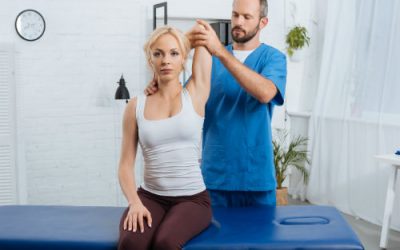
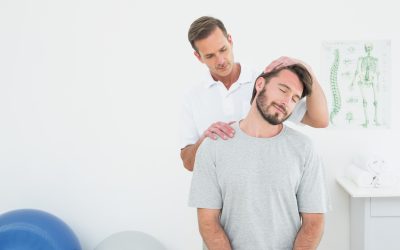
A chiropractic evaluation may examine more than the area where discomfort is felt. The assessment can include ankle motion, knee control, hip mobility, pelvic alignment, spinal movement, balance, and walking patterns.
The chiropractor may ask when the difference began, whether an injury occurred, and which daily activities aggravate it. They may also observe how the person steps up, steps down, shifts weight, and balances on each leg.
For Westchase residents, visiting a family chiropractor may help clarify whether joint restrictions or movement compensations are contributing to uneven stair use. At Navigate Health & Wellness, they evaluate each person’s movement and health history before discussing an appropriate care plan.
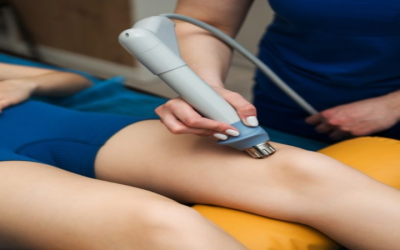
Depending on the findings, care may include chiropractic adjustments, movement guidance, mobility exercises, or recommendations for other appropriate services. Not every stair-climbing problem has the same cause, so care should be based on an individual assessment.
When Should Uneven Stair Climbing Be Evaluated?
Consider scheduling an evaluation when the difference between sides is persistent, worsening, or interfering with daily routines. Recurring pain, reduced confidence on stairs, or an increasing need to use the handrail may also warrant attention.
Sudden weakness, severe pain, significant swelling, inability to bear weight, or symptoms following a fall require prompt medical assessment. Numbness, loss of coordination, or rapidly changing symptoms should not be ignored.
Take the Next Step Toward More Comfortable Movement
Stair climbing can reveal movement differences that are less noticeable on level ground. If one side consistently feels weaker, stiffer, or less controlled, schedule a chiropractic evaluation to identify which areas may be affecting the movement and receive guidance based on the findings.