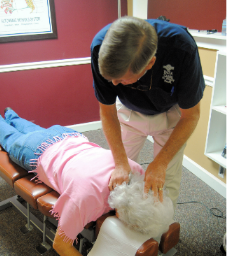
Stubborn muscle tightness is recurring tension that does not fully improve with rest, stretching, or basic self-care. Shockwave Therapy may be considered when tight tissue, soft tissue irritation, or restricted movement continues to affect daily comfort.
For many people in Garden Grove, CA, muscle tightness is not always a simple soreness issue. It may feel like a deep knot, a dense band of tissue, limited range of motion, or discomfort that returns after activity. When tightness keeps coming back, it may be connected to how the soft tissues, joints, and spine are working together.
What Makes Muscle Tightness “Stubborn”?
Muscle tightness becomes stubborn when it keeps returning despite temporary relief. A person may stretch, use heat, rest, or massage the area, only to feel the same restriction again later.
This can happen when the tight muscle is not the main problem. In some cases, the muscle may be guarding an irritated joint, protecting an old injury, or compensating for poor movement mechanics. The body may tighten tissue to create stability when it senses stress or restriction.
A chiropractor may evaluate whether the tightness is related to soft tissue irritation, spinal movement, posture, overuse, or joint restriction.
Why Does Tight Tissue Keep Coming Back?
Tight tissue can keep coming back when the underlying cause is still present. For example, repeated lifting, poor workstation habits, limited spinal mobility, or uneven movement patterns may keep placing stress on the same area.
Muscles are designed to contract, relax, and support movement. When they stay tense for too long, they can become sensitive, restricted, and less efficient. This may make normal activities feel harder, especially reaching, bending, turning, walking, or exercising.
Recurring tightness can also develop after an old soft tissue injury. Even when the original pain fades, the area may not fully regain normal flexibility, strength, or tissue quality.
How Can Shockwave Therapy Support Tight Soft Tissue?
Shockwave therapy uses acoustic wave energy applied to targeted soft tissue areas. These waves may help stimulate circulation, support tissue repair, and encourage the body’s natural healing response.
The goal is not to force a tight muscle to relax instantly. Instead, this treatment may help support the tissue environment when an area feels restricted, irritated, or slow to recover.
Shockwave therapy is often discussed for soft tissue concerns involving muscles, tendons, fascia, and connective tissue. It may be considered when tightness is linked to repetitive stress, lingering irritation, or tissue that does not respond well to basic care.
How Does Chiropractic Care Fit Into Muscle Tightness?
Chiropractic care may help evaluate why a muscle keeps tightening in the first place. Tightness is often connected to how nearby joints move. If the spine, hips, shoulders, or neck are restricted, the surrounding muscles may work harder to protect the area.
Chiropractic treatment may focus on improving joint motion, reducing compensation, and supporting more balanced movement. When combined with soft tissue care, this approach may help address both the tight tissue and the movement pattern behind it.
For example, tightness in the upper back may be connected to shoulder position, neck motion, or rib mobility. Tightness in the lower back may involve the hips, pelvis, or spinal joints.
When May Shockwave Therapy Be Considered?
Shockwave therapy may be considered when muscle tightness keeps returning, limits movement, or appears connected to soft tissue restriction. It may also be discussed when a person feels dense, thick, or guarded tissue that does not improve for long with stretching.
People may consider evaluation if tightness affects everyday tasks such as turning the neck, walking comfortably, lifting light items, reaching overhead, or standing for long periods. Symptoms that interfere with daily movement should not be ignored.
A chiropractor can help determine whether the tightness is mostly muscular or whether joint restriction, soft tissue irritation, or movement compensation may also be involved.
What Areas Can Be Affected by Stubborn Tightness?
Stubborn tightness can affect many areas of the body. Common areas include the neck, shoulders, upper back, lower back, hips, calves, and forearms.
The location of the tightness does not always explain the cause. For example, neck tightness may be influenced by shoulder mechanics. Hip tightness may affect lower back comfort. Forearm tightness may relate to repetitive hand and wrist use.
This is why a broader evaluation is important. Treating only the tight spot may provide short-term relief, but the restriction can return if the surrounding movement pattern is not addressed.
What Should People Track Before an Appointment?
Before seeking chiropractic care, it can help to track when the tightness appears. Notice whether it worsens after work, exercise, sitting, driving, sleeping, or repeated movements.
It is also helpful to note whether the tightness feels dull, sharp, pulling, thick, tender, or pressure-like. Details about what improves or worsens the issue can help guide the evaluation.
People should avoid forcing painful stretches or aggressively pressing into irritated tissue. Gentle movement may help some cases, but worsening symptoms are a sign that the area needs closer attention.
Can Chiropractic Treatment Help Long-Term Movement?
Chiropractic treatment may support long-term movement by identifying the body mechanics behind recurring tightness. If the same tissues keep working too hard, they may continue to feel tense even after temporary relief.
A care plan may include joint mobility work, movement guidance, soft tissue support, and Shockwave Therapy when appropriate. The goal is to help the body move with less guarding and more control.
For Garden Grove residents, this type of conservative evaluation may be helpful when muscle tightness starts affecting daily routines.
Loosen the Pattern, Not Just the Tight Spot
If stubborn muscle tightness keeps returning, consider learning whether shockwave therapy and chiropractic care may support better movement. A conservative evaluation can help identify soft tissue irritation, joint restriction, and movement habits contributing to tension. For Garden Grove residents, taking the next step early may help daily motion feel less limited and more comfortable.