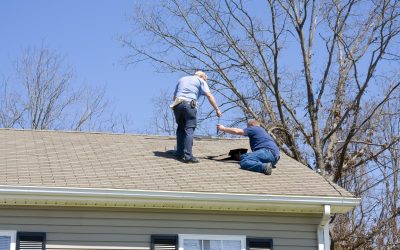
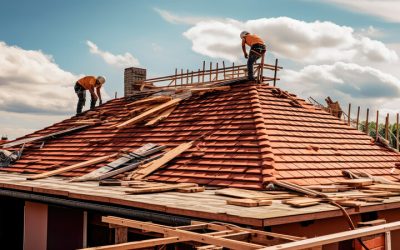
Roof hatches and access points are rooftop entry areas that allow maintenance teams to reach equipment, drains, and roof surfaces. These areas often reveal commercial roof wear because repeated foot traffic, tools, and open seams can damage the roof faster than low-use areas.
For commercial properties in Phoenix AZ, roof access areas deserve close attention. Rooftop HVAC service, vendor visits, drain clearing, inspections, and equipment work often begin at the same hatch or ladder point. Over time, that repeated activity can create scuffs, punctures, worn coatings, loose flashing, and flat roof repair needs.
Why Do Roof Hatches Show Wear First?
A roof hatch is usually the main entry point for service teams. Every visit places foot traffic near the same roof section. The area around the hatch may also hold tools, replacement parts, panels, hoses, or equipment during maintenance.
Flat and low-slope roofs can be durable, but they are still vulnerable to repeated pressure. A technician stepping onto the same spot again and again may compress insulation, weaken coatings, or stress seams.
Because the damage develops slowly, property owners may not notice it until water stains appear indoors. Commercial roofers often look at access points early during an evaluation because they show how the roof is being used.
What Problems Can Form Around Roof Access Points?
Common problems include punctures, worn surface layers, loose flashing, damaged hatch curbs, open sealant joints, and debris buildup. If water collects near the access point, the risk of moisture intrusion increases.
Roof hatches are usually mounted on raised curbs. These curbs need secure flashing to keep water out. When service traffic damages the flashing or sealant, moisture can enter around the hatch and travel beneath the roof surface.
Access ladders can also create issues. If the ladder opening or landing area is poorly protected, workers may step directly onto vulnerable membrane sections. Over time, those high-use spots may require flat roof repair.
How Does Foot Traffic Affect Commercial Roofing?
Foot traffic can wear down commercial roofing materials in several ways. It may scrape protective surfaces, loosen granules or coatings, stress seams, and create small openings. Heavy tools or parts can leave dents or punctures.
In Phoenix, heat can make some roof surfaces more sensitive to pressure during certain parts of the day. Foot traffic on a heated roof may leave marks or accelerate surface aging, especially around already worn areas.
Repeated walking routes are often visible during inspection. They may appear as darker paths, smoother sections, scuffed areas, or spots where protective surfacing has thinned.
Why Are Hatch Curbs and Flashing Important?
A hatch curb raises the access opening above the roof surface. Flashing protects the joint between the curb and the roof. This detail is important because the hatch creates a roof penetration.
If flashing separates, water can enter around the curb. If the curb shifts or the sealant cracks, the roof may leak even though the open field of the roof appears intact.
Commercial roofers check hatch corners, seams, fasteners, and surrounding membrane conditions. A leak near a hatch may come from a small separation that is not visible from inside the building.
What Role Do Walk Pads Play?
Walk pads can help protect roof surfaces along common traffic routes. They guide workers from the hatch to HVAC units, drains, exhaust fans, and other service areas.
The pads must be compatible with the roof system. If they are placed poorly, they may trap moisture, interfere with drainage, or hide damage below. When installed correctly, they can reduce direct wear on the main roof surface.
Walk pads are especially helpful on commercial roofs with frequent service visits. They are not a substitute for inspection, but they can reduce repeated impact in predictable areas.
How Can Drainage Near Access Points Create Issues?
Drainage matters around every roof penetration. If water collects near a hatch curb, it places added pressure on flashing and sealant joints.
Dust, leaves, and service debris can gather near the hatch. During storms, this buildup can slow drainage and keep moisture near vulnerable seams. On flat roofs, even small drainage changes can affect roof performance.
A proper evaluation should include the hatch area, nearby drains, scuppers, low spots, and any signs of ponding. Drainage concerns and surface wear often appear together.
When Is Flat Roof Repair Needed?
Flat roof repair may be needed when the access area has punctures, open seams, loose flashing, damaged membrane, soft spots, or signs of moisture movement. The repair scope depends on the roof type and the extent of damage.
A focused repair may involve restoring flashing, resealing hatch details, patching membrane damage, replacing worn sections, or adding compatible traffic protection. If insulation beneath the surface is wet or compressed, deeper repair may be required.
The goal is to correct the source of wear and reduce the chance of repeated leaks.
What Should Property Owners Document?
Property owners should keep records of rooftop service visits, hatch access, vendor work, HVAC service, and prior leaks. Photos are useful for tracking whether damage is spreading around the access point.
Maintenance teams should also note where workers usually walk and where tools are placed. These details can help commercial roofers identify high-risk zones and recommend practical protection.
If a leak appears near a stairwell, hallway, storage room, or ceiling below an access point, the hatch area should be checked promptly.
Protect High-Traffic Roof Areas Before Damage Spreads
Roof hatches and access paths can reveal damage before leaks interrupt daily operations. Schedule a detailed evaluation to review worn traffic routes, hatch curbs, flashing, seams, and flat roof repair needs. For Phoenix properties needing practical commercial roofing guidance, request a roof assessment before minor surface wear becomes recurring moisture damage or larger repair work across the building.