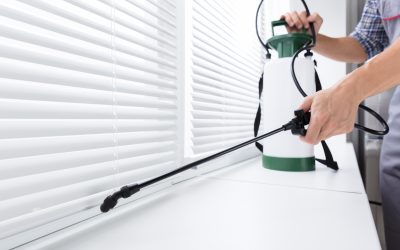
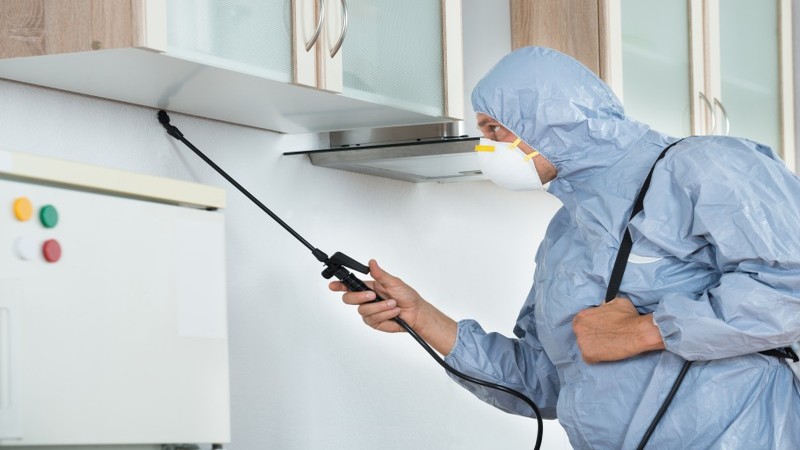
Pest inspectors examine foundations and exterior walls for cracks, gaps, moisture, insect activity, nesting areas, and other conditions that may allow pests to enter or remain close to a home. In Buckeye, AZ, these exterior areas are especially important because many common pests begin their activity outside before moving indoors.
A thorough inspection helps identify both visible pest activity and the conditions that may be contributing to it. This information can guide appropriate Pest Control Services and help homeowners understand where problems may be developing.
Why Do Pest Inspectors Start Around the Foundation?
The foundation is one of the most common transition areas between the outdoors and the inside of a home.
Inspectors typically look closely at the point where the structure meets the ground because insects and rodents may use even small openings to gain access. Cracks in concrete, gaps around utility lines, expansion joints, and spaces near vents can all create potential entry points.
They may also check for visible trails, droppings, nesting materials, mud tubes, insect remains, or other signs that suggest pests are moving along the foundation.
Effective pest management services often begin with identifying these physical conditions before deciding what type of treatment is appropriate.
What Types of Cracks and Gaps Can Attract Attention?
Not every crack indicates a pest problem, but certain openings deserve closer inspection.
Small gaps around doors, windows, pipes, electrical lines, hose connections, and exterior fixtures can provide access for insects. Larger openings may also allow rodents or other pests to enter wall voids, garages, or storage areas.
Inspectors may pay particular attention to:
- Cracks where walls meet the foundation
- Gaps around utility penetrations
- Damaged weather stripping
- Openings near garage doors
- Loose vents or screens
- Separation around exterior trim
Identifying these areas can help support more targeted pest control solutions rather than relying only on interior treatment.
Why Is Moisture Important During an Exterior Inspection?
Moisture can influence where many pests gather and remain active.
Inspectors often look for dripping outdoor faucets, leaking irrigation lines, poor drainage, standing water, or damp areas near the home. Soil that stays wet close to the foundation may create favorable conditions for certain insects.
Buckeye has a dry desert climate, but irrigation and landscaping can create localized moisture even when the surrounding environment is hot and dry.
A pest control service may therefore include recommendations related to moisture management when those conditions appear to be contributing to pest activity.
What Do Inspectors Look for Around Exterior Walls?
Exterior walls can reveal signs of both current pest activity and possible access routes.
Inspectors may check siding, stucco, trim, eaves, vents, door frames, and window frames for gaps or deterioration. They may also look for webs, nests, insect droppings, damaged wood, staining, or other evidence that pests are using certain areas repeatedly.
Wall-mounted lights can also attract insects at night, which may in turn attract spiders and other predators.
By examining these areas closely, local exterminators can better understand which pests are active and where they may be entering.
How Does Landscaping Affect Pest Activity Near the Home?
Landscaping can significantly influence pest movement around exterior walls and foundations.
Bushes, tree limbs, ground cover, mulch, and stored materials can create shelter or pathways. Vegetation touching the home may give insects easier access to walls, windows, rooflines, and vents.
Inspectors may also look for wood piles, cardboard, debris, or dense vegetation sitting directly against the structure.
These conditions do not automatically mean there is an infestation, but they can make certain areas more attractive or easier for pests to access.
Why Are Doorways and Windows Important Inspection Areas?
Doors and windows are natural weak points in a building envelope because they contain seams, moving parts, and weather seals.
Inspectors often examine thresholds, frames, screens, and seals for damage or gaps. Even small openings can allow ants, crickets, spiders, and other insects to enter.
Garage doors may receive extra attention because gaps along the bottom or sides can provide larger access points.
Addressing these openings can be an important part of long-term pest management services, particularly when pests repeatedly appear near the same indoor areas.
What Signs Suggest Pests May Already Be Active?
Visible insects are only one sign inspectors consider.
Other indicators may include droppings, shed skins, nests, webbing, damaged materials, gnaw marks, mud tubes, or unusual staining. Some pests leave subtle evidence that is easier to spot during a close exterior inspection.
The location of these signs can also provide useful information. Repeated activity near one side of the home may point to a nearby moisture source, landscaping feature, structural gap, or nesting area.
Professional pest control solutions rely on connecting these observations rather than treating each sign in isolation.
Why Does an Exterior Inspection Matter Before Treatment?
Treating pests without understanding where they are coming from can make control less effective.
An exterior inspection helps identify entry points, environmental conditions, and areas of concentrated activity. This gives a clearer picture of what may be happening before treatment begins.
In Buckeye, AZ, where desert pests often move between outdoor shelter and indoor spaces, foundation and exterior-wall inspections can be particularly valuable.
The goal is not simply to identify insects that are already inside, but also to understand how they may be approaching and entering the property.
When Should Homeowners Consider a Pest Inspection?
A professional inspection may be worth considering when pests repeatedly appear indoors, when unexplained droppings or damage are present, or when activity increases around doors, garages, foundations, or exterior walls.
It may also be useful after noticing cracks, moisture problems, or changes in landscaping that could create new pest access points.
Understanding these conditions can help homeowners make informed decisions about whether a pest control service is necessary and what type of approach may be most appropriate.
For Buckeye homeowners, paying attention to the outside of the home is often one of the best places to start when trying to understand recurring pest activity.