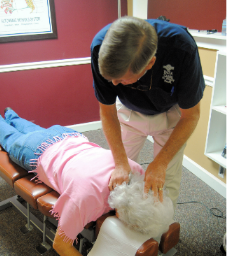
Pain during coughing or sneezing can provide important information about how the spine and surrounding tissues are responding to sudden changes in pressure and movement. While this symptom does not confirm a specific condition, it may help a spinal decompression chiropractor understand whether certain spinal structures or nerves may be contributing to discomfort.
For people in San Diego, CA, noticing when and how pain appears can be useful when discussing back symptoms. A cough or sneeze creates a brief increase in pressure throughout the body, and some individuals may notice discomfort if sensitive areas of the spine are affected.
Why Can Coughing or Sneezing Trigger Back Pain?
Coughing and sneezing involve more than the lungs and throat.
These actions create a rapid contraction of muscles throughout the trunk, including the abdominal and back muscles. The sudden increase in internal pressure can temporarily change the forces placed on the spine.
For someone with an irritated spinal structure, this quick change may make symptoms more noticeable.
Pain may appear in the lower back, neck, or even extend into the arms or legs depending on which area is involved.
However, coughing or sneezing alone does not identify the exact cause of pain. A complete evaluation considers other symptoms, movement patterns, and health history.
What Does Pain During Pressure Changes Mean?
The spine is designed to handle daily changes in pressure.
Activities such as lifting, bending, exercising, and moving through different positions all affect spinal loading. Coughing and sneezing create a brief but noticeable increase in pressure because the muscles around the trunk contract quickly.
Some people may feel nothing during these movements. Others may notice sharp discomfort, increased pressure, or symptoms that travel.
The type of sensation can provide useful information.
For example, localized discomfort in the lower back may present differently from pain that extends into the buttocks or legs.
A spine chiropractor may consider these details when evaluating how the spine responds to different physical demands.
Can Coughing or Sneezing Make Nerve-Related Symptoms More Noticeable?
In some cases, yes.
When nerves near the spine are already irritated, changes in pressure may increase awareness of symptoms. A person may notice tingling, radiating discomfort, or changes in sensation during a cough or sneeze.
However, these symptoms can have multiple causes.
A provider may ask whether symptoms travel, which areas are affected, and whether certain positions or movements change the discomfort.
Understanding the full pattern is important because nerve-related symptoms require careful evaluation.
Why Does Symptom Timing Matter?
The timing of pain can reveal useful information.
Someone may experience discomfort only when coughing while lying down. Another person may notice symptoms only after sitting for long periods or during certain movements.
These differences matter because the spine responds differently depending on position and activity.
A person who experiences pain during coughing after a long day of sitting may have a different movement pattern than someone whose symptoms appear during lifting or exercise.
A decompression therapy chiropractor may use these details when determining whether spinal decompression should be considered.
How Does Spinal Decompression Relate to Pressure-Sensitive Back Pain?
Spinal decompression therapy uses controlled traction to apply specific forces to targeted spinal regions.
The goal is to influence mechanical loading patterns and may be considered for certain individuals with specific spinal conditions.
It is not designed to eliminate all pressure changes within the body. Normal activities will continue to create forces through the spine.
Instead, Spinal Decompression Chiropractor care focuses on determining whether controlled decompression fits the individual’s symptoms and examination findings.
The treatment approach depends on factors such as symptom location, duration, movement patterns, and overall health considerations.
What Does a Chiropractor Evaluate Before Recommending Decompression?
A thorough evaluation helps determine whether decompression is appropriate.
The provider may review:
- When symptoms began
- Whether pain travels into the arms or legs
- Activities that increase or reduce discomfort
- Range of motion
- Muscle function
- Previous injuries
- Neurological symptoms when appropriate
This information helps create a clearer understanding of the patient’s condition.
Two people may both report pain when coughing or sneezing but have different contributing factors and require different recommendations.
Can Posture and Daily Habits Influence These Symptoms?
Daily habits can influence how the spine handles stress.
Long periods of sitting, repetitive movements, poor lifting patterns, and limited mobility may all affect how the body responds to physical demands.
For example, someone who spends many hours sitting may experience different symptoms than someone who performs heavy physical work.
This does not mean posture alone causes spinal problems. Instead, it highlights that many factors influence how the spine functions.
A chiropractic spinal decompression approach may be considered alongside a broader understanding of these factors.
How Common Are Back Pain Concerns in San Diego?
Back pain remains a common health concern affecting adults across the United States. According to the Centers for Disease Control and Prevention, low back pain is among the most common causes of disability worldwide and affects many adults during their lifetime.
For active communities like San Diego, maintaining comfortable movement can be especially important because daily activities often involve commuting, exercise, work, and recreation.
Understanding how symptoms respond to specific movements can help people recognize when additional evaluation may be useful.
When Should Pain During Coughing or Sneezing Be Evaluated?
Occasional discomfort during coughing or sneezing may not always indicate a serious problem. However, recurring symptoms, increasing pain, symptoms that travel into the arms or legs, numbness, weakness, or changes in normal function should be evaluated.
Pain patterns provide valuable information.
A cough or sneeze may reveal that certain spinal structures are more sensitive to changes in pressure, but determining why requires a complete assessment.
For San Diego residents experiencing pressure-related back symptoms, understanding these patterns can help determine whether spinal decompression therapy, other chiropractic care, or additional medical evaluation may be appropriate.