Backyard pools, fountains, ponds, and other water features can create serious safety concerns for curious puppies. Owners in Surprise, AZ, can reduce risks by combining secure barriers, active supervision, gradual introductions, and consistent dog training that teaches puppies how to behave around water.
Why Are Backyard Pools Risky for Puppies?
Puppies explore unfamiliar environments through movement, smell, and play. A reflective pool surface, moving fountain, or floating object may attract a puppy before they understand the depth or danger of the water.
Young puppies may also have limited coordination and tire quickly. Even a puppy that can paddle may struggle to locate the pool steps, climb onto a ledge, or remain calm after unexpectedly falling into the water.
Swimming ability should never be treated as complete protection. Pool safety requires physical safeguards and close supervision, regardless of a puppy’s breed, size, or previous experience around water.
Which Physical Barriers Improve Pool Safety?
A secure fence or barrier is one of the most important safety measures around a backyard pool. Gates should close properly and remain latched whenever an adult is not actively supervising the area.
Owners should regularly inspect fencing for gaps, loose sections, or openings a growing puppy could squeeze through. Furniture, storage containers, or landscaping materials should not be positioned where a puppy could use them to climb over a barrier.
Pool covers vary in purpose and strength. A cover should not be assumed to support a puppy unless it is specifically designed and installed as a safety barrier. Lightweight covers may create additional danger if a puppy steps onto them and becomes trapped.
How Can Puppies Be Introduced to Water Safely?
Water introductions should happen gradually and without forcing the puppy into the pool. Owners can begin by allowing the puppy to observe the area from a safe distance while remaining secured on a leash.
As the puppy becomes comfortable, the owner can move closer and reward calm behavior with foods, praise, toys, or play. The goal is to help the puppy remain attentive and responsive rather than becoming overly excited near the water.
If swimming is introduced, an adult should remain within immediate reach. The puppy should be shown how to exit the pool using the steps or another designated point. Practicing the exit from several nearby positions can help the puppy recognize where to go.
Which Cues Are Most Helpful Around Pools?
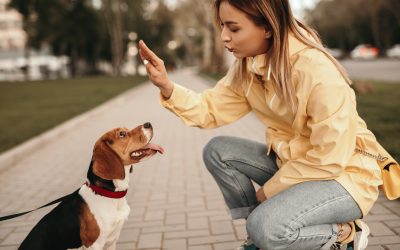
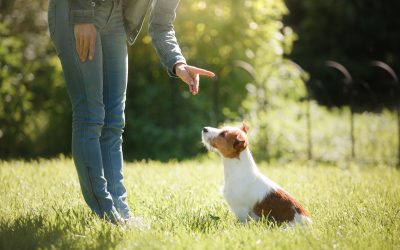
A reliable recall cue can help an owner redirect a puppy away from the pool edge. A wait cue can also be useful at gates, patios, and doors leading into the backyard.
These skills should first be practiced in a quiet environment before being used near water. Asking a puppy to respond beside a busy pool before the cue is reliable elsewhere may create unnecessary difficulty.
A place or mat cue can give the puppy a designated area to settle while family members use the pool. The location should provide shade, water, and enough distance from activity for the puppy to remain calm.
Consistent wording matters. Everyone in the household should use the same cues and release words so the puppy receives clear information.
How Can Owners Prevent Unsafe Poolside Behavior?
Running, jumping, chasing toys, and biting at splashing water can increase the chance of a puppy falling into the pool. Owners should interrupt unsafe activity early and redirect the puppy toward a calmer behavior.
Toys should not be thrown near the pool edge unless the activity is carefully controlled. A puppy focused on chasing may pay little attention to where the ground ends.
Owners should also watch for drinking pool water. Small amounts may not always cause an immediate problem, but repeated consumption can expose a puppy to chemicals or contaminants. Fresh drinking water should always be available nearby.
What Other Arizona Backyard Hazards Matter?
Pool decks and patios can become extremely hot during warmer months in Surprise. Before allowing a puppy outside, owners should check the temperature of concrete, pavers, artificial turf, and other surfaces.
Water features may also attract insects, wildlife, or standing debris. Pumps, cords, cleaning equipment, and chemicals should remain secured and outside the puppy’s reach.
Shade and hydration are essential, but they do not remove the need for supervision. Puppies can overheat quickly, especially during active play. Outdoor sessions should be kept brief during high temperatures and scheduled during cooler parts of the day.
When Can a Certified Dog Trainer Help?
A certified dog trainer can help when a puppy repeatedly rushes through the pool gate, ignores recall cues outdoors, or becomes difficult to redirect around splashing and movement.
Individual guidance can help owners break safety skills into manageable steps. Dog training may focus on boundary awareness, waiting at access points, settling away from the water, and responding reliably despite outdoor distractions.
A trainer can also help family members practice consistent timing and rewards. Progress depends not only on what the puppy learns during a session, but also on how clearly the household reinforces the same expectations each day.
Help Your Puppy Build Safer Backyard Habits
Arizona families can strengthen backyard safety with supervised practice, secure barriers, clear cues, and gradual exposure to water. Professional ca puppy training help owners teach reliable waiting, recall, and boundary skills around pools and water features. Consistent routines, age-appropriate rewards, and guidance from a certified dog trainer can support safer outdoor habits as puppies grow and explore their new surroundings.