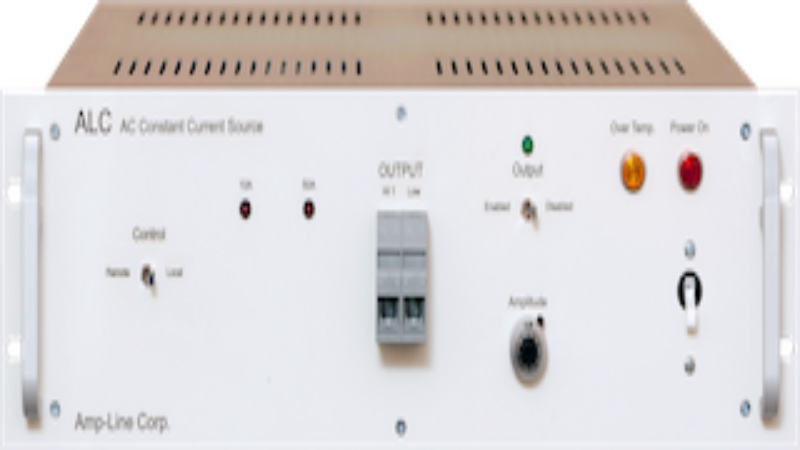
The rapid evolution of electric vehicles (EVs) has made efficiency and reliability top priorities for automotive engineers and manufacturers. As the industry faces increasing demands for sustainable transportation, refining the design and performance of EVs has become a central focus. In this context, engineers often turn to advanced tools, such as a Battery Simulator, to enhance real-world testing and achieve optimal results.
The Role of Battery Simulators in Electric Vehicle Development
Electric vehicles rely on intricate battery systems that directly impact their range, safety, and overall performance. Traditional methods of testing these systems can be time-consuming and costly, often requiring the use of actual battery packs, which may not always be feasible during the early stages of design. A battery simulator provides a sophisticated alternative by accurately emulating the electrical characteristics of real batteries.
By integrating simulated batteries into the testing environment, engineers can replicate countless scenarios, from rapid acceleration to deep discharge cycles. This approach allows for the evaluation of powertrain components, charging systems, and energy management strategies without the risks or limitations associated with physical batteries. The use of a simulator also accelerates the iteration process, enabling quick adjustments and validation of new design concepts.
Enhancing Efficiency Through Real-World Testing
One of the main advantages of using a battery simulator is its ability to simulate real-world testing conditions in a controlled environment. Engineers can subject electric vehicle prototypes to a wide range of operating scenarios, including temperature variations, load fluctuations, and abnormal usage patterns. This comprehensive testing ensures that the vehicle’s systems respond reliably under all conditions, leading to more robust and efficient designs.
Testing with a simulator can also streamline compliance with industry standards and regulatory requirements. Because simulated batteries can replicate extreme conditions, engineers can identify and address potential safety or performance issues before the vehicle reaches production. This proactive approach reduces costly recalls and enhances consumer confidence in electric vehicles.
Advancing Design Innovation and Cost Savings
Another key benefit of using a battery simulator is the significant reduction in development costs and time-to-market. Physical battery packs are expensive, heavy, and require specialized handling, which can slow down testing. Simulators, on the other hand, offer a flexible and reusable solution that supports rapid prototyping and frequent design changes.
By enabling early detection of design flaws and inefficiencies, battery simulators help automotive teams refine their systems before investing in full-scale production. This leads to improved energy efficiency, longer battery life, and ultimately, a better driving experience for end users. By enabling customization of parameters and simulation of diverse battery chemistries, simulators foster innovation in electric vehicle technology.
In summary, leveraging a battery simulator for real-world testing enables engineers to efficiently and safely optimize electric vehicle designs. For those seeking a reliable partner in this field, Amp-Line Corp. stands out as a trusted solution provider for advanced battery simulation needs.