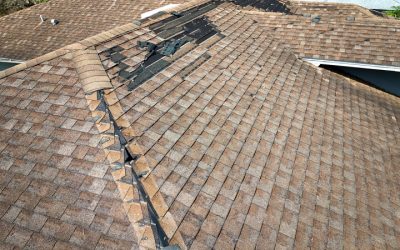
Roof penetrations are openings created so pipes, vents, skylights, wiring, and mounted equipment can pass through or attach to a roofing system. Although these features are often necessary, each penetration interrupts the roof’s protective layers and can become a water entry point if it is poorly designed, installed, sealed, or maintained.
A reliable residential roofing system must manage water around every opening while accommodating heat, wind, and normal building movement. This is particularly important in Peoria, where intense sunlight and seasonal storms can place repeated stress on exposed roofing components.
What Is Considered a Roof Penetration?
A roof penetration is any feature that passes through the roof covering, underlayment, or decking. Some penetrations support ventilation and plumbing, while others are added for comfort, lighting, or equipment.
Common examples include:
- Plumbing vent pipes
- Exhaust vents
- Attic ventilation components
- Skylights
- Chimneys and flues
- Satellite dish mounts
- Solar equipment attachments
- Conduit for wiring
- Heating and cooling equipment supports
- Roof drains on low-slope systems
These components do not automatically weaken a roof. Their effect depends on how well they are integrated into the surrounding materials. Proper flashing, compatible sealants, secure fasteners, and effective drainage are needed to maintain a continuous barrier against moisture.
Why Do Penetrations Increase the Risk of Water Entry?
An uninterrupted roof surface allows rainwater to flow toward the edge or designated drainage points. A penetration changes that path, forcing water to move around a raised object, curb, or opening.
Water may collect on the upper side of a penetration if the surrounding area does not drain correctly. Wind can also push rain beneath loose flashing or into small gaps that are not affected during lighter weather.
The opening itself is rarely the only concern. The junction between the penetration and the roofing system is usually the most vulnerable area. If flashing does not overlap surrounding materials correctly, water may reach the underlayment and travel away from the original entry point before appearing indoors.
How Does Flashing Protect a Roof Penetration?
Flashing is a water-shedding component installed around roof openings and transitions. Its shape and placement vary based on the type of penetration and roofing material.
Pipe penetrations often use fitted flashing with a flexible or formed collar. Skylights and chimneys may require several pieces that direct water around their upper, side, and lower edges. Curbs supporting equipment must also be integrated with the roofing layers.
Correct layering is essential. Upper roofing materials should overlap the flashing so water remains on the exterior surface. Lower sections of flashing then release that water onto the roof below. Reversed overlaps, short flashing, exposed edges, or poorly positioned fasteners can interrupt this drainage pattern.
Sealant may supplement flashing, but it should not serve as the only form of protection. Exposure to sunlight and changing temperatures can cause sealant to crack, shrink, or separate over time.
Can Roof Penetrations Move as Temperatures Change?
Roofing materials and penetration components can expand and contract at different rates. Metal pipes, plastic vents, wood decking, fasteners, membranes, and sealants respond differently as temperatures rise and fall.
Peoria’s prolonged heat can make these differences more pronounced. Repeated movement may loosen fasteners, distort flashing, or pull sealant away from adjoining surfaces. A connection that initially appeared secure can gradually develop a narrow gap.
Movement may also occur when mounted equipment vibrates or when wind places pressure on antennas, dishes, or other attachments. Residential roofing contractors should account for movement when selecting flashing methods and compatible materials.
Why Does the Type of Roofing Material Matter?
Penetrations must be integrated according to the specific roofing system. The same method cannot be applied universally to tile, shingle, metal, foam, and membrane roofs.
Tile roofing requires attention to both the visible tiles and the water-management layers beneath them. A cracked or displaced tile near a pipe may expose the underlying system to sunlight and moisture.
Shingle systems depend on carefully layered flashing that works with the shingle courses. Low-slope systems may require reinforced membranes, curbs, or coatings around penetrations because water moves more slowly across their surfaces.
Metal roofing must accommodate expansion while maintaining watertight seams. Foam and coated systems need continuous protection around the base of each opening. During residential roof installation, each penetration should be planned as part of the complete system rather than treated as an isolated accessory.
How Can New Equipment Affect an Existing Roof?
Equipment added after the original roof was installed can create new penetrations or place additional weight on the system. Satellite dishes, solar components, conduit, and other mounted features must be attached without compromising drainage or protective layers.
Improperly placed mounts may direct water toward fasteners or create areas where debris accumulates. Workers accessing the roof can also crack tiles, disturb flashing, or damage coatings around existing openings.
Before installing new equipment, homeowners should understand where attachments will be made and how those areas will be weatherproofed. The work should also account for future access so maintenance can occur without repeatedly disturbing the roofing materials.
What Warning Signs Can Indicate a Penetration Problem?
Moisture from a damaged penetration may not appear directly beneath the opening. Water can travel along decking, framing, pipes, or insulation before reaching a visible ceiling or wall.
Warning signs may include:
- Ceiling stains near a bathroom, kitchen, or utility area
- Moisture around skylights
- Cracked sealant around flashing
- Rusted or loose metal components
- Split pipe boots or collars
- Displaced tiles or shingles
- Debris collecting above a penetration
- Interior staining that appears after wind-driven rain
Homeowners seeking residential roof repair services in Peoria should have the surrounding roof area evaluated along with the visible penetration. Replacing surface sealant without identifying the underlying drainage or flashing issue may only provide a temporary response.
How Do Inspections Support Long-Term Roof Performance?
Periodic inspections help identify deterioration around penetrations before interior damage develops. An evaluation should examine flashing, collars, curbs, fasteners, sealant, nearby roofing materials, and drainage paths.
Inspections are especially useful after severe weather or the installation of roof-mounted equipment. They can also reveal whether a previous repair remains secure or whether changing conditions require additional work.
Residential roofing maintenance is most effective when each penetration is treated as part of a connected water-management system. Addressing loose materials, aging seals, or drainage restrictions early can reduce the likelihood of moisture reaching the roof deck.
If staining, damaged flashing, or moisture appears near a roof penetration, arrange a professional inspection. Prompt evaluation can clarify the source of the problem and help preserve the performance of the entire residential roof.