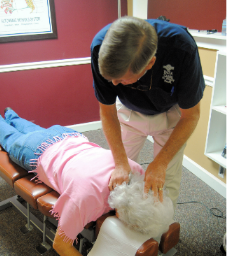
Chiropractic progress is measured by looking at changes in movement, daily function, symptom frequency, sleep, and activity tolerance—not only by asking patients to rate their pain. A pain score can provide useful information, but it offers only one part of a person’s overall response to chiropractic care.
Pain levels can fluctuate because of activity, stress, sleep, work demands, and other daily factors. For this reason, chiropractors often compare several physical and functional measures over time to determine whether a care plan is helping a patient move and function more comfortably.
Why Is a Pain Score Not Enough?
Pain-rating scales usually ask patients to describe their discomfort with a number, such as zero for no pain and ten for the most severe pain imaginable. This can help healthcare providers monitor changes, but the number is subjective.
Two people with similar conditions may rate their discomfort differently. The same patient may also provide different scores depending on sleep quality, stress, physical activity, or how long symptoms have been present.
A lower score may indicate improvement, but it does not necessarily show whether the person can return to work, sleep through the night, exercise, drive, or complete household activities. Likewise, a patient may still report discomfort while showing meaningful improvement in mobility and everyday function.
How Is Daily Function Used to Measure Progress?
Daily function describes how comfortably a person can perform routine activities. These activities may include sitting, standing, walking, lifting, dressing, driving, working, or participating in hobbies.
At the beginning of a care plan, a chiropractor may ask which activities are limited by pain or stiffness. Those same activities can then be reviewed during later appointments.
Examples of functional progress may include:
- Sitting through a meeting with fewer position changes
- Walking farther before symptoms begin
- Standing long enough to prepare a meal
- Turning the head more comfortably while driving
- Completing household tasks with fewer breaks
- Returning to light recreational activity
- Moving more easily when getting out of bed
These changes can be meaningful even when some discomfort remains.
Why Does Symptom Frequency Matter?
Pain intensity describes how strong a symptom feels, while frequency describes how often it occurs. Both are important.
A patient may begin care with symptoms that appear every day. Over time, the discomfort may occur only after demanding activities or prolonged sitting. Although the pain level during an episode may be similar, fewer episodes can indicate a change in the overall symptom pattern.
Chiropractors may also ask how long each episode lasts. Symptoms that resolve more quickly or require less recovery time may reflect progress that a single pain rating would not capture.
How Are Mobility and Range of Motion Evaluated?
Mobility refers to how comfortably and efficiently the body moves. A chiropractor may assess movement in the neck, back, shoulders, hips, or other areas related to the patient’s concerns.
During an evaluation, patients may be asked to bend, rotate, reach, or move through a comfortable range. These movements can reveal stiffness, guarding, asymmetry, or discomfort.
Future reassessments may compare the same movements. Progress could include moving farther, completing the movement with less hesitation, or experiencing fewer symptoms.
Range of motion is not evaluated to determine how flexible a person should be compared with someone else. It is generally used to compare the patient’s current ability with their own starting point.
Can Sleep Changes Show Chiropractic Progress?
Sleep can be affected by pain, stiffness, and difficulty finding a comfortable position. Patients may wake repeatedly, avoid certain sleeping positions, or feel more discomfort when getting out of bed.
Improved sleep may be an important sign of progress. A person may notice that they wake less often, fall asleep more easily, or feel less stiff in the morning.
Because sleep also affects pain sensitivity and recovery, chiropractors may ask about changes in both sleep quality and morning symptoms. These details provide additional context when evaluating a care plan.
Why Are Work and Activity Tolerance Important?
Activity tolerance describes how long someone can complete an activity before symptoms begin or worsen. This can be especially useful for people whose concerns are connected with work, driving, exercise, or repetitive movement.
For example, a patient may initially be able to sit for only 20 minutes before needing to stand. After several appointments, that person may comfortably sit for 40 minutes.
The symptom may not have disappeared, but the increased tolerance can represent a measurable functional change.
People comparing a chiropractic health center, chiropractic care center, or chiropractic wellness clinic in Carmichael, CA, may benefit from asking how progress is documented. A clear plan should include specific goals and periodic reviews rather than relying only on general impressions.
How Do Patients Help Track Their Own Progress?
Patients provide important information about what happens between appointments. A brief symptom record can help identify patterns that may be difficult to remember later.
Useful details include:
- When symptoms occur
- What activity was being performed
- Where the discomfort is located
- How long the symptoms last
- What makes them better or worse
- Whether sleep or work is affected
- Which activities have become easier
- Whether numbness, tingling, or weakness has changed
Patients do not need to document every sensation. A few consistent observations can make progress discussions more specific and useful.
When Should a Chiropractic Plan Be Reassessed?
A care plan should be reviewed periodically and whenever symptoms change significantly. Reassessment may include discussing current symptoms, repeating movement tests, reviewing functional goals, and comparing present findings with the initial evaluation.
The plan may be adjusted when progress slows, daily demands change, or new symptoms appear. A chiropractor may alter visit frequency, modify the care approach, recommend further evaluation, or refer the patient to another healthcare provider when appropriate.
Sudden weakness, loss of bladder or bowel control, chest pain, severe unexplained headache, or symptoms following a serious injury require prompt medical attention rather than routine chiropractic treatment.
What Does Meaningful Chiropractic Progress Look Like?
Meaningful progress is personal and should relate to the activities that matter to each patient. For one person, improvement may mean returning to work comfortably. For another, it may mean sleeping better, walking longer, or completing daily responsibilities with fewer interruptions.
Pain scores remain useful, but they should be considered alongside mobility, symptom frequency, activity tolerance, sleep, and overall function.
Baratta Holistic Center provides additional information about when Chiropractic Care may be considered for people exploring care options in Carmichael, California. Patients should discuss their goals, progress measures, and changing symptoms directly with their healthcare provider.