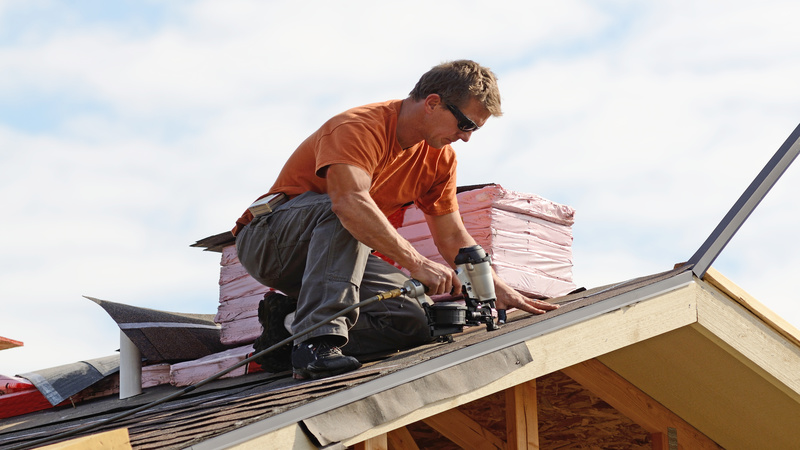
Living in Colorado means enjoying beautiful landscapes and stunning weather, but it also comes with the risk of severe hailstorms, especially in Centennial. Many homeowners search for solutions when hail strikes, hoping to protect their investment and restore their homes quickly. If you’ve recently experienced a storm and are looking for information about Hail Damage Roof Repair in Centennial, CO , you’re not alone. Understanding how hail affects your roof, the repair process, and what steps to take next can help you make informed decisions and prevent further issues down the line.
Recognizing Hail Damage on Your Roof
Hail can vary in size from small pellets to golf-ball-sized chunks, and even moderate storms can cause significant damage. Recognizing the signs early is crucial:
• Dented or bruised shingles: Look for soft spots, cracks, or missing granules.
• Damaged flashing: Metal components around vents or chimneys may show dings or bending.
• Leaks or water stains: Check your attic and ceilings for any signs of moisture infiltration.
• Granule accumulation: Excessive shingle granules in gutters or downspouts indicate surface damage.
If you notice any of these issues, it’s wise to schedule a professional inspection as soon as possible.
The Importance of Prompt Repairs
Delaying roof repairs after a hailstorm can lead to bigger problems. Even minor hail damage can compromise your roof’s integrity, allowing water to seep in and cause:
• Mold and mildew growth
• Structural wood rot
• Increased energy bills due to poor insulation
• Voided manufacturer warranties
Addressing hail damage quickly helps maintain your home’s value and prevents more costly repairs in the future.
What to Expect During the Roof Repair Process
Understanding the typical steps involved in hail damage roof repair can make the process less stressful:
1. Inspection: A qualified roofing contractor will assess the extent of the damage and provide a detailed report.
2. Insurance Claim Assistance: Many professionals help homeowners navigate insurance claims, ensuring you receive fair coverage.
3. Temporary Protection: If necessary, damaged areas are tarped to prevent further water intrusion.
4. Repair or Replacement: Depending on the severity, repairs may involve replacing individual shingles or, in more severe cases, a full roof replacement.
5. Final Inspection: Once work is complete, a thorough inspection ensures your roof is restored to optimal condition.
Tips for Choosing a Reliable Roofing Contractor
Selecting the right contractor is essential for quality repairs. Look for:
• Proper licensing and insurance
• Local experience with hail damage
• Strong references and positive reviews
• Transparent estimates and written warranties
Don’t hesitate to ask questions about their process, materials, and timeline.
Preventative Measures for Future Hailstorms
While you can’t control the weather, you can take steps to minimize future hail damage:
• Install impact-resistant roofing materials
• Schedule regular roof inspections, especially after storms
• Keep gutters and downspouts clear to prevent water backup
• Trim overhanging branches that could exacerbate roof damage
These proactive measures can extend your roof’s lifespan and offer greater peace of mind.
In summary, understanding the risks and repair options for hail damage is essential for every Centennial homeowner. Recognizing signs of damage, acting quickly, and partnering with a qualified roofing contractor are key to protecting your home and investment. By staying informed and prepared, you can weather any storm with confidence and ensure your roof remains strong for years to come.