When electrical issues arise in your home, it’s important to act quickly and safely to avoid further damage or risk to your safety. Whether it’s a tripped circuit breaker, a power surge, or an outlet that’s malfunctioning, knowing how to manage these problems until a licensed electrician arrives can help prevent more serious issues. In this blog, we’ll guide you on what to do and how to safely handle power issues at home.
Identifying the Source of the Electrical Problem
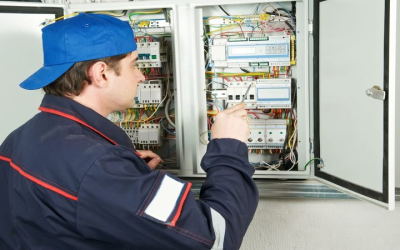
The first step when encountering a power issue is identifying the source of the problem. If you’re experiencing a sudden power outage, check your circuit breaker to see if any breakers have been tripped. If the problem is isolated to specific outlets or appliances, it might be due to faulty wiring or a malfunctioning outlet.
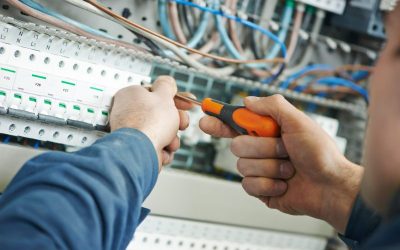
- Check the Circuit Breaker: A simple tripped breaker could be the cause. Reset the breaker to restore power, but if it trips again, call for professional help.
- Inspect the Fuse Box: For older homes with fuse boxes, look for any blown fuses. Replacing the blown fuse with the correct type can often restore power.
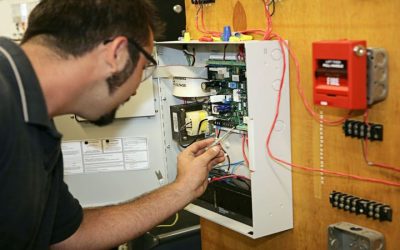
If these solutions don’t work, or if you notice something unusual like smoke or sparking, it’s time to call a licensed electrician for residential electrical troubleshooting in Surprise, AZ.
Managing Minor Electrical Problems Safely
Minor electrical issues like flickering lights or malfunctioning outlets are common but can still pose risks if not handled properly. Here’s what you can do:
- Turn off the Power: If you notice an issue like flickering lights, start by turning off the appliance or device connected to the affected circuit.
- Check for Overloads: Ensure you’re not overloading outlets or circuits by plugging too many appliances into one socket. Overloading can increase the risk of electrical fires.
These basic steps can help you manage small issues. However, if problems persist or worsen, it’s essential to call a professional to prevent further complications.
Dealing with Electrical Emergencies
In case of an electrical emergency, like an electrical fire or smoke, it’s crucial to act quickly and safely:
- Turn Off Power: If you can do so safely, turn off the power to the affected area by flipping the main circuit breaker.
- Avoid Water: Never touch electrical systems with wet hands or while standing in water. Water conducts electricity and can increase the risk of electrocution.
- Evacuate if Necessary: If you see flames or smell smoke, evacuate immediately and call emergency services.
It’s always best to leave emergency electrical repairs to a residential emergency electrician in Surprise, AZ to ensure the problem is safely addressed.
When to Call a Licensed Electrician
While minor electrical problems may seem manageable, there are situations that require immediate professional attention. If you experience any of the following, it’s time to call an electrician:
- Sparking Outlets or Wires: If you notice sparks, smoking, or burning smells from any electrical device or outlet, call an emergency electrician right away.
- Frequent Power Surges: Multiple power surges could indicate a bigger problem with your home’s electrical system. An electrician will inspect and replace faulty equipment to prevent further damage.
- Outdated Wiring: Homes with outdated electrical systems, such as old wiring or fuses, are at risk of overheating and electrical fires. Replacing old components is essential to maintaining safety.
In these situations, a licensed professional can assess and fix the issue to keep your home safe.
Safe Power Issue Handling Before Electrician Arrives
While waiting for a licensed electrician to arrive, there are a few steps you can take to ensure safety and minimize the risk of further damage:
- Turn off unnecessary appliances: Unplug devices that aren’t essential, especially those connected to the affected circuit, to avoid overloading.
- Mark the affected areas: If you’ve identified the problem area, make sure to mark it so no one unknowingly uses electrical outlets or appliances in that zone.
- Don’t Use Extension Cords: Avoid using extension cords while troubleshooting the issue. They can easily overheat and become fire hazards if not used properly.
Professional Electrical Troubleshooting Is Essential
Although it’s possible to handle minor electrical issues on your own, professional troubleshooting is necessary to ensure that any underlying issues are identified and properly addressed. Certified electricians have the tools and expertise to diagnose and repair electrical problems quickly and safely. If you’ve tried basic troubleshooting methods and the problem persists, don’t hesitate to contact a professional for comprehensive inspection and repairs. For more safety tips on safe power issue handling before electrician arrive.