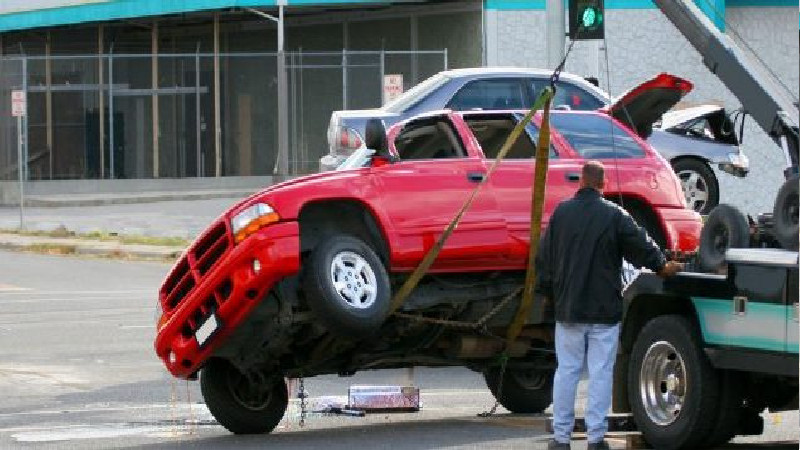
When a truck breaks down inside a loading dock, it must be assessed, stabilized, and moved without damaging the vehicle, dock, cargo, or surrounding property. The towing plan depends on the truck’s size, mechanical condition, cargo, position, and the amount of space available for recovery equipment.
Loading docks are designed for moving freight, not necessarily for accommodating a tow truck. Tight access points, overhead structures, parked trailers, dock levelers, and active employees can make truck towing more complicated than moving the same vehicle from an open parking lot.
Why Is Towing From a Loading Dock More Complicated?
A loading dock may provide limited room in front of, behind, or beside the disabled truck. The towing operator needs enough space to approach the vehicle, establish secure connections, and guide it away from the dock.
Some trucks are backed tightly against a dock seal or shelter. Others may be positioned on an incline leading to a recessed loading bay. If the vehicle cannot roll, steer, or release its brakes, it may need to be repositioned before a standard towing connection can be made.
Additional obstacles can include:
- Low overhead canopies
- Narrow entrances and exit lanes
- Dock bumpers and wheel restraints
- Raised or damaged dock levelers
- Other trucks waiting nearby
- Fences, gates, and concrete barriers
- Pallets, forklifts, and loading equipment
These conditions should be reported before the truck towing service arrives.
What Information Does Dispatch Need?
Dispatch needs specific details about the truck, cargo, breakdown, and loading area. Describing the vehicle only as a delivery truck may not provide enough information to select appropriate equipment.
The caller should provide the truck’s make, model, approximate weight, number of axles, and body configuration. Dispatch should also know whether it is a box truck, tractor-trailer, refrigerated vehicle, flatbed, or another commercial truck.
Other useful information includes:
- Whether the truck is loaded or empty
- The type and approximate weight of the cargo
- Whether the transmission shifts into neutral
- Whether the steering and brakes function
- The position of the truck relative to the dock
- Overhead and side clearance
- Whether a trailer is attached
- The preferred repair or storage destination
Photos of the vehicle and loading area can help show access restrictions that may be difficult to explain over the phone.
Does the Cargo Need to Be Removed First?
Cargo does not always need to be unloaded before truck towing, but its weight and condition must be considered. A fully loaded truck can weigh significantly more than an empty one, affecting the towing equipment and connection method required.
Cargo may need to be removed or redistributed if it has shifted, become unstable, or caused the vehicle to lean. Leaking, fragile, temperature-sensitive, or otherwise compromised freight may also require attention before the truck is moved.
The facility manager, carrier, driver, and cargo owner may need to coordinate the decision. The towing operator should be told what the truck carries, even when the load appears secure.
How Are Wheel Restraints and Air Brakes Handled?
Many loading docks use wheel restraints to keep trailers from moving during loading. Before recovery begins, the operator must confirm that these devices have been fully released. Attempting to pull a truck against an engaged restraint can damage the truck, trailer, or dock equipment.
Commercial trucks with air brakes may remain locked when air pressure is lost. A mechanical failure can also prevent the transmission from shifting or the wheels from rolling. These conditions affect how the vehicle is repositioned and should not be addressed through force alone.
The operator evaluates the braking system, drivetrain, and wheel movement before applying pulling force. Additional equipment may be necessary to support wheels that cannot rotate normally.
How Is the Truck Moved Away From the Dock?
The first stage may involve creating enough space to establish a suitable towing connection. The truck may need to be pulled forward in a controlled line while its steering and wheel movement are monitored.
If the vehicle is on an incline, the operator must prevent unintended rolling. A truck that cannot steer may also require careful alignment to avoid dock walls, columns, parked vehicles, or loading equipment.
Once the truck reaches an open, stable area, the towing setup can be inspected and adjusted for transport. Selecting a towing company that gathers detailed information beforehand can help ensure the responding equipment matches the vehicle and loading-dock conditions.
Who Should Manage the Loading Area During Recovery?
Facility management should temporarily limit traffic around the disabled truck. Employees, forklift operators, delivery drivers, and visitors should remain outside the recovery area while towing equipment is being connected and operated.
A facility representative should communicate with the towing operator about gate access, clearance, loading schedules, and property restrictions. If the truck blocks other docks, incoming deliveries may need to be redirected until the area is clear.
The truck driver should remain available to provide vehicle information and keys when possible. However, only the towing operator should direct the vehicle’s movement during recovery.
How Can Businesses Prepare for Loading-Dock Breakdowns?
Facilities can reduce delays by keeping dock lanes clear and maintaining accurate clearance measurements. Managers should know how to release wheel restraints, open secured gates, and pause dock activity when a truck becomes immobilized.
Carriers can prepare by keeping truck specifications, cargo records, and emergency contact information accessible. Drivers should report unusual sounds, warning lights, air-pressure loss, or steering problems before attempting to back into a dock.
Early reporting may allow a vehicle to stop in a more accessible area. Continuing to move a malfunctioning truck can leave it tightly positioned against the dock and make recovery more involved.
Arrange Truck Towing From a Loading Dock
A loading-dock breakdown requires coordination between the driver, facility manager, dispatch team, and towing operator. If a commercial vehicle becomes immobilized at a Phoenix loading dock, contact a truck towing provider with the vehicle specifications, cargo status, clearance measurements, and photos of the area. Complete information helps the operator plan a controlled recovery while protecting the truck, freight, dock equipment, and nearby workers.