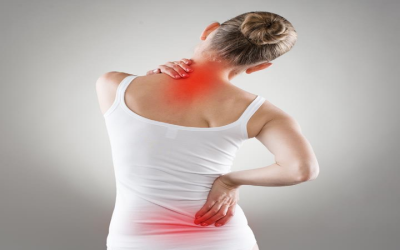
Hand numbness while driving may come from pressure on a nerve in the wrist or arm, but the neck can also be involved. When a cervical nerve root is irritated or compressed, symptoms can travel into the shoulder, arm, hand, or fingers, sometimes even when neck pain is mild.
Why Can Driving Trigger Hand Numbness?
Driving keeps the body in a relatively fixed position. The hands remain on the steering wheel, the elbows stay bent, and the neck may be held slightly forward or repeatedly turned while checking mirrors and traffic.
These positions can place pressure on nerves in the wrist or elbow. They may also aggravate an already sensitive nerve in the neck. Prolonged neck positioning, including driving, can worsen some cervical conditions, while cervical nerve irritation may cause numbness, tingling, pain, or weakness in the arm and hand.
A driver may notice symptoms only during longer trips, while gripping the steering wheel firmly, or after repeatedly turning the head. This pattern offers useful clues, but it cannot identify the source by itself.
How Can a Neck Problem Affect the Hand?
Nerves that control sensation and muscle function in the arm and hand begin in the neck. They leave the cervical spine through small openings before traveling through the shoulder and down the arm.
When a nerve root becomes irritated by inflammation, reduced space, age-related changes, or a disc problem, the condition is often called cervical radiculopathy. Symptoms may include pain traveling from the neck into the arm, pins-and-needles sensations, hand numbness, or weakness.
The fingers affected can sometimes provide clues about the involved nerve pathway. However, symptoms often overlap, so an examination is more reliable than trying to identify the source from finger location alone.
Could the Wrist or Elbow Be Responsible Instead?
Yes. Hand numbness can begin anywhere along the nerve pathway, not only in the neck.
Pressure on the median nerve at the wrist may contribute to carpal tunnel symptoms. Irritation of the ulnar nerve near the elbow may affect the ring and little fingers, particularly when the elbow stays bent for an extended period.
Shoulder problems, circulation concerns, diabetes, and other medical conditions may also cause numbness or tingling. Hand numbness can result from damage, irritation, or compression affecting nerves in the neck, arm, wrist, or hand.
For this reason, a chiropractor should assess more than the neck. The examination may include the wrist, elbow, shoulder, grip strength, sensation, reflexes, posture, and cervical movement.
What Signs Suggest the Neck May Be Involved?
The neck may deserve closer attention when hand numbness appears with:
- Neck stiffness or discomfort
- Shoulder blade pain
- Pain traveling down one arm
- Tingling that changes with neck position
- Reduced grip strength
- Arm weakness or heaviness
- Symptoms that worsen while turning the head
Some people with cervical radiculopathy experience notable arm or hand symptoms without severe neck pain. The absence of intense neck discomfort does not completely rule out a cervical source.
What Can a Chiropractor Evaluate?
A chiropractor may ask when the numbness starts, which fingers are affected, how long it lasts, and which positions change it. They may also review previous injuries, repetitive work, sleep habits, headaches, and recent increases in driving.
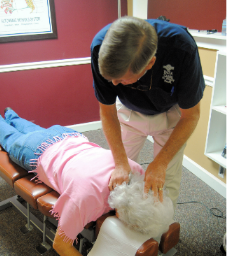
The examination may include cervical range of motion, posture, muscle strength, reflexes, sensation, and orthopedic or neurological tests. When symptoms suggest a condition requiring imaging, medical testing, or urgent care, referral to another healthcare provider may be appropriate.
Lee Chiropractic provides additional information about disc-related nerve symptoms through their spine care chiropractic resource. A herniated disc can sometimes irritate a nearby nerve and contribute to neck pain, numbness, or tingling, but disc findings should be considered alongside the patient’s symptoms and examination results.
Is a Neck Adjustment Always Appropriate?
No. A neck adjustment is not automatically the right response to hand numbness.
A chiropractic adjustment may be considered when restricted joint movement appears to contribute to the symptoms and no contraindications are present. Other cases may require therapeutic exercise, postural changes, activity modification, or referral for further evaluation.
Care should be based on the likely source of the symptoms rather than the search phrase used to find treatment. A neck pain chiropractor should also monitor whether symptoms improve, remain unchanged, or become more widespread.
What Can Drivers Do Before an Evaluation?
Several simple changes may reduce unnecessary strain while driving:
- Keep the elbows slightly bent.
- Relax the shoulders rather than reaching forward.
- Adjust the seat and mirrors before driving.
- Avoid gripping the steering wheel harder than necessary.
- Change hand position periodically when it is safe.
- Take movement breaks during longer trips.
- Note which fingers become numb and how long it lasts.
These adjustments may improve comfort, but they do not replace an evaluation when numbness persists, returns regularly, or interferes with safe driving.
When Does Hand Numbness Need Prompt Medical Attention?
Seek urgent medical care when numbness begins suddenly with facial drooping, difficulty speaking, severe dizziness, chest pain, loss of coordination, or weakness on one side of the body.
Prompt evaluation is also important when numbness follows a significant injury, progressively worsens, affects both hands, causes frequent dropping of objects, or occurs with difficulty walking. Arm or hand weakness should be evaluated even when significant neck pain is not present.
When Should Someone Consult a Chiropractor in Irvine?
An evaluation may be appropriate when hand numbness repeatedly appears while driving, changes with neck position, or occurs with neck, shoulder, or arm discomfort.
A chiropractor in Irvine, CA, can assess the neck and the rest of the nerve pathway to determine whether chiropractic care, another conservative approach, or a medical referral is the most suitable next step. Identifying the likely source can help drivers avoid guesswork and make informed decisions about their care.