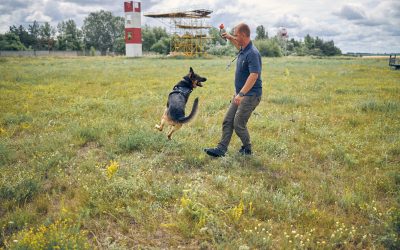
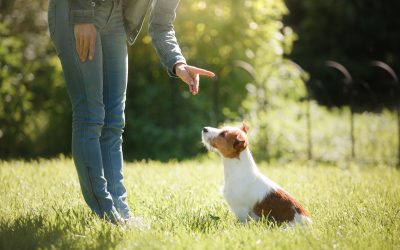
Dogs are highly intelligent and social animals, and their behavior often reflects the environment, routines, and guidance they receive. Without proper dog behavior training and consistent cues, even well-meaning owners can experience frustration with their pet’s actions. Observing and addressing behavioral signs early can help establish a strong foundation of obedience, focus, and a happier home environment.
Restless or Destructive Behavior Indicates the Need for Guidance
When a dog repeatedly chews furniture, scratches doors, or digs inappropriately, it often signals a need for additional mental and behavioral structure. These behaviors are usually a result of excess energy or lack of consistent guidance in their environment. Incorporating structured dog training sessions or private lessons in the home can redirect energy toward constructive activities.
Providing outlets through games, obedience exercises, or puzzle challenges within a structured routine helps satisfy mental stimulation while reinforcing appropriate behavior. Owners who notice persistent destructive tendencies should consider setting aside dedicated time for dog obedience training, focusing on cues that manage impulses and promote calmness.
Difficulty Following Basic Cues Suggests Behavioral Support is Needed
Dogs that ignore cues such as sit, down, stay, wait, or come may require additional guidance through focused dog training sessions. Struggles with attention, focus, or impulse control often reflect a need for consistent reinforcement and mental engagement.
Dog obedience training sessions at home, in a controlled environment, or during private lessons allow the dog to practice cues without external distractions. Structured repetition, combined with clear rewards like foods or praise, helps dogs understand expectations and builds a stronger behavioral foundation. Over time, consistent in-home dog training creates reliable responses and improves overall communication between dog and owner.
Excessive Barking, Jumping, or Pulling Can Signal Behavioral Needs
Persistent barking, jumping on visitors, or pulling on the leash is often a sign that a dog requires dog behavior training to learn self-control and appropriate social behaviors. These behaviors may arise from excitement, anxiety, or insufficient mental stimulation.
Implementing private lessons, in-home sessions, or structured walks provides opportunities to practice cues and impulse control. Using dog obedience training methods that incorporate foods or rewards reinforces desirable behaviors while gently discouraging unwanted ones. These sessions also give owners practical tools to manage behaviors during real-life interactions, increasing both confidence and predictability.
Anxiety or Fearfulness Can Benefit from Structured Training
Dogs that exhibit signs of anxiety, such as trembling, hiding, or avoidance, often benefit from additional dog behavior training. Structured sessions in a calm environment help dogs develop confidence and predictability, which reduces stress.
Introducing gradual exposure to triggers, paired with cues and rewards, allows dogs to practice self-control in a safe, guided setting. This type of dog obedience training builds coping strategies and strengthens the bond between dog and owner, helping dogs feel secure while navigating new environments or situations in Surprise, AZ.
Socialization Challenges Indicate the Need for Guided Learning
Dogs that struggle to interact appropriately with other dogs or people may require specialized dog training sessions focused on social skills and impulse management. Private lessons and in-home guidance allow owners to practice cues and reward-based strategies in real-life scenarios, providing the dog with consistent feedback.
Early intervention and ongoing dog behavior training help prevent future issues, enabling dogs to remain calm, polite, and confident in diverse social settings. Structured socialization in small, controlled sessions is especially effective for puppies or adult dogs who need reinforcement in manners, attention, and obedience.
Mental Stimulation Supports Overall Obedience and Calmness
Lack of mental engagement can result in hyperactivity, attention-seeking, or disobedience. Incorporating short, frequent dog training sessions using foods or rewards, cues, and focus exercises helps dogs stay mentally engaged while reinforcing desirable behaviors.
Daily practice of cues such as sit, down, stay, and wait not only enhances obedience but also reduces behavioral challenges over time. Structured dog obedience training sessions at home or in private lessons provide a safe space for dogs to learn without distractions, leading to a calmer and more responsive pet.
Improve Your Dog’s Behavior Today
Transform your dog’s behavior with guided, structured dog behavior training and dog obedience training in Surprise, AZ. Whether through private lessons, in-home sessions, or small-group training, professional guidance helps dogs develop focus, impulse control, and confidence. Begin your dog’s journey to better behavior with professional dog training and see lasting results today.