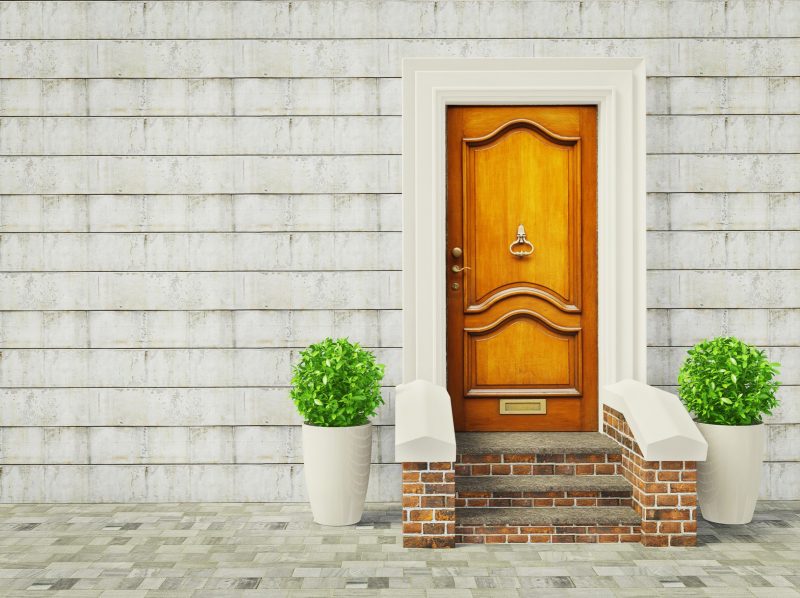
Fiberglass front entry doors and wood front entry doors can both be strong options for residential front entry doors, but they serve different priorities. In Phoenix, AZ, the best choice depends on how the entry is used, the level of sun exposure, the desired design impact, and how much maintenance a homeowner is comfortable with over time.
What matters most for residential front entry doors in Phoenix?
Phoenix homeowners often face conditions that put pressure on entry doors: intense sun, high daytime heat, dust, and temperature swings between day and night. Residential front entry doors also handle daily wear from frequent use, hardware operation, and the need to seal consistently.
When comparing materials, it helps to evaluate five practical factors:
- sun and heat exposure at the entry
- maintenance tolerance and long-term care expectations
- security and hardware needs (especially for heavier doors)
- style goals and how custom the design needs to be
- how long the homeowner plans to stay in the home
These criteria keep the decision grounded in lifestyle, not just appearance.
How do fiberglass front entry doors perform in heat and sun?
Fiberglass doors are often chosen for their durability and stable performance. Many fiberglass front entry doors are designed to resist dents and can handle sun exposure reasonably well when finished correctly.
In Phoenix conditions, fiberglass doors can be a strong fit when:
- The entry gets heavy direct sun for long periods
- The homeowner prefers lower-maintenance materials
- consistent sealing and stable operation are a top priority
- The desired look can be achieved through available fiberglass styles
One consideration is that fiberglass aesthetics vary widely. Some fiberglass doors are designed to mimic wood grain, but the realism depends on the product quality and finish. Homeowners who want a highly specific architectural look may find fiberglass choices more limited than wood in terms of detailing and customization.
How do wood front entry doors compare for design and presence?
Wood front entry doors are often selected for their natural warmth, depth, and the ability to create a distinctive architectural statement. In higher-end homes, wood can provide a level of visual richness that’s difficult to replicate.
Wood can be a good fit when:
- The homeowner wants a strong, authentic design feature
- The entry is partially protected (covered porch or courtyard)
- The home’s architecture calls for real wood character
- customization is important (size, panels, glass layouts, detailing)
That said, Phoenix sun and heat can be demanding for any exterior wood surface. Wood front entry doors typically perform best when they are built well, sealed properly, and maintained according to the exposure level of the entry.
Which option requires more maintenance?
Maintenance is a key lifestyle factor. Fiberglass doors generally require less maintenance than wood doors in harsh exposure, but neither option is “maintenance-free.”
Typical expectations:
- Fiberglass: cleaning, periodic inspection of weather stripping, and maintaining the finish as needed.
- Wood: more attention to finish condition, especially on sun-facing entries, plus periodic care to preserve appearance and protection.
The more direct sun an entry receives, the more important finishing and upkeep become—especially for wood. Homeowners who enjoy keeping exterior details pristine may be comfortable with that, while those seeking minimal upkeep may lean toward fiberglass.
How do security and hardware considerations differ?
Security is influenced by the entire door system—door slab, frame, lock, installation, and alignment—not just material. However, material can affect hardware handling and long-term operation.
Points to consider:
- Door weight: Wood doors can be heavier, which often means hinge planning and installation tolerances matter more.
- Lock compatibility: Both materials can support quality locking systems, but correct reinforcement and alignment are essential.
- Long-term closure: Stable alignment supports better lock performance and consistent sealing.
Regardless of material, a secure residential front entry door should close smoothly, latch cleanly, and maintain even reveals around the perimeter.
What should homeowners consider for curb appeal and resale?
Curb appeal often drives initial interest, but long-term value comes from consistency: the entry door should match the architecture and stay visually strong over time.
Fiberglass can support a strong resale appeal when:
- It complements the home’s style
- It stays consistent with lower visible wear
- The look aligns with neighborhood norms
Wood can support a strong resale appeal when:
- It looks authentically premium and cohesive
- It’s properly maintained and still presents well
- The home’s style favors high-end materials and detailing
A simple way to think about it: fiberglass often wins on practicality, while wood often wins on authenticity and customization. Lifestyle and exposure determine which matters most.
How does lifestyle help make the decision clearer?
A lifestyle-first approach usually leads to a clearer answer than comparing material claims.
Fiberglass front entry doors may be the better fit if the homeowner:
- wants lower maintenance
- has a high-exposure entry
- prefers a durable, consistent exterior finish
- is satisfied with available styles and configurations
Wood front entry doors may be the better fit if the homeowner:
- wants a distinctive, high-end architectural statement
- values natural materials and depth
- needs customization beyond standard options
- has a protected entry or is willing to maintain the finish
For many Phoenix homes, the decision comes down to exposure and priorities: a shaded courtyard entry can support wood beautifully, while a west-facing entry in full sun may favor fiberglass for convenience.
Where custom design and local context fit in
Some homeowners prefer to keep their options open by consulting door specialists who understand Phoenix architecture and exposure patterns. Providers known as a reliable custom interior and exterior door company may help homeowners evaluate door choices based on layout, sun direction, privacy needs, and long-term maintenance expectations.
Final takeaway for Phoenix homeowners
Wood and fiberglass front entry doors can both work well in Phoenix, but the best option is the one that matches real-life use. Fiberglass often suits homeowners who prioritize stability and low maintenance in heavy sun exposure. Wood often suits homeowners who prioritize authenticity, customization, and a high-end design presence—especially when the entry is protected or when ongoing care is part of the plan.
By focusing on exposure, maintenance tolerance, and design goals, homeowners can choose residential front entry doors that look right, function reliably, and stay aligned with their lifestyle for the long term.