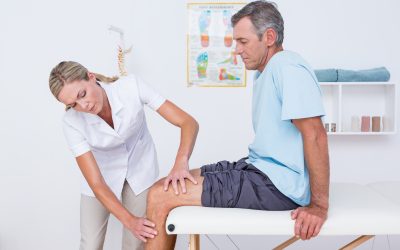
Knee pain is not always caused by joint damage, arthritis, or a structural injury inside the knee. In many cases, discomfort may come from irritated tendons or surrounding soft tissue that becomes overloaded, inflamed, or slow to heal.
For people in Davison, MI who experience recurring knee pain during walking, stairs, squatting, running, or exercise, it can be helpful to understand the difference between joint-related pain and tendon-related pain. While only a proper evaluation can identify the source of symptoms, tendon irritation is a common reason knee pain lingers even when rest, stretching, or activity changes provide only temporary relief.
What Is Tendon Irritation Around the Knee?
Tendons are strong bands of tissue that connect muscles to bones. Around the knee, tendons help control movement, absorb force, and support daily activities such as standing, bending, climbing stairs, and walking.
Tendon irritation may develop when these tissues are placed under repeated stress. This can happen from sports, exercise, physical labor, prolonged standing, poor movement mechanics, or returning to activity too quickly after a period of rest. Over time, the tendon may become sensitive and less able to tolerate load.
Common areas of tendon-related knee discomfort may include the front of the knee, below the kneecap, above the kneecap, or along the inner or outer side of the knee. Some people notice pain that worsens with stairs, kneeling, jumping, squatting, or getting up from a chair.
How Can Knee Tendon Pain Feel Different From Joint Pain?
Joint-related knee pain is often associated with stiffness, swelling, grinding, locking, instability, or deeper discomfort within the knee. Tendon irritation, on the other hand, may feel more localized and activity-based.
A person with tendon-related pain may feel fairly comfortable at rest but notice discomfort once the tendon is loaded. For example, pain may appear during the first few steps after sitting, while climbing stairs, or when increasing exercise intensity. The knee may feel tender when pressure is applied to a specific tendon or soft tissue area.
However, symptoms can overlap. A person may have both joint irritation and tendon discomfort at the same time. This is why guessing based on pain location alone can be misleading.
Why Does Tendon Irritation Sometimes Become Chronic?
Tendon pain can become stubborn because tendons do not always heal quickly when they are repeatedly stressed. Rest may calm symptoms for a short time, but if the tendon has not rebuilt strength and tolerance, pain can return once activity resumes.
This cycle is common with knee discomfort. A person may reduce activity, feel better, return to normal movement, and then experience the same pain again. When this happens, the issue may not be simple soreness. It may involve a tendon that needs better support, improved load management, and targeted care.
Chronic tendon irritation may also be influenced by movement patterns. If the hips, feet, ankles, or lower back are not moving well, the knee may absorb extra stress. Over time, this can place more demand on the tendons around the knee.
Where Does Shockwave Therapy Fit Into Knee Tendon Pain?
Shockwave therapy is a non-invasive treatment that uses acoustic wave energy to stimulate a healing response in targeted soft tissue. It is commonly discussed in relation to chronic tendon problems because tendons can sometimes become slow to recover after repeated irritation.
For knee pain linked to tendon irritation, shockwave therapy may be used to support circulation, tissue repair, and pain reduction in the affected area. The goal is not to numb the knee or mask symptoms. Instead, it is intended to help stimulate the tissue and encourage the body’s natural recovery process.
People searching for shockwave therapy near me are often looking for an option that may help when tendon pain has not improved as expected with rest or basic home care. For those near Davison, MI, Peak Performance Family Chiropractic provides shockwave therapy as part of their broader approach to musculoskeletal care.
Can Shockwave Therapy for Tendonitis Help Everyone?
Shockwave therapy for tendonitis may be helpful for some people, but it is not the right fit for every case of knee pain. The cause of knee symptoms should be evaluated before choosing a treatment approach.
For example, knee pain related to a recent traumatic injury, significant swelling, instability, infection, fracture, or severe joint damage may require different care. Tendon-related pain may respond better when treatment is combined with movement guidance, activity modification, and a plan for gradually restoring strength and function.
This is why education is important. The goal should be to understand what tissue is irritated, why it became irritated, and what steps may reduce the chance of symptoms returning.
What Signs May Suggest Tendon Irritation Instead of Joint Damage?
While a professional evaluation is important, certain patterns may suggest tendon involvement. These may include pain that increases with stairs, squats, running, jumping, or kneeling. Tenderness in a specific area around the kneecap or tendon attachment may also point toward soft tissue irritation.
Another clue is pain that improves with rest but returns when normal activity resumes. This pattern may indicate that the tendon has not fully adapted to the demands being placed on it.
In contrast, joint-related pain may be more likely when there is deep aching, significant swelling, locking, catching, or a feeling that the knee may give out. These symptoms should be evaluated carefully.
How Can People in Davison, MI Approach Recurring Knee Pain?
The first step is to avoid assuming every case of knee pain is the same. Knee discomfort may involve tendons, muscles, ligaments, cartilage, joints, or referred pain from nearby areas.
People in Davison, MI who are dealing with recurring knee pain can benefit from looking at the full picture: activity level, work demands, exercise habits, mobility, past injuries, and how the pain behaves throughout the day. This helps guide whether conservative care, shockwave therapy for tendonitis, strengthening, mobility work, or another approach may be appropriate.
Final Thoughts on Knee Pain and Tendon Irritation
Knee pain does not always mean the joint itself is damaged. Sometimes, the issue begins with irritated tendons or overloaded soft tissue that needs the right support to recover.
For people searching for shockwave therapy near me, the most important step is getting a clear evaluation before deciding on care. When tendon irritation is part of the problem, shockwave therapy may be one option to support healing, improve comfort, and help the knee tolerate movement more effectively.