As a babysitter or caregiver, your role goes far beyond watching over children—you’re responsible for their safety and well-being. Emergencies can happen without warning, and having the proper first aid and CPR training ensures that you’re prepared to respond when it matters most. This training is essential for both new and experienced caregivers, providing the skills and confidence to handle medical emergencies calmly and efficiently.
In Phoenix, AZ, where temperatures can soar and outdoor activities are common, the risk of accidents, heat-related illnesses, and medical emergencies is higher. That’s why completing CPR certification for healthcare providers and other first aid courses is not only beneficial but often necessary for those who care for others, especially children. Let’s explore why first aid training is crucial for babysitters and caregivers and how it can help you respond effectively in emergencies.
Why Is First Aid and CPR Training Essential for Babysitters and Caregivers?
Accidents and medical emergencies can happen at any time, and being prepared can make a significant difference in outcomes. First aid and CPR training provides essential life-saving skills that can help prevent situations from escalating.
1. Immediate Response to Injuries
Babysitters and caregivers are often the first line of defense when an accident occurs. First aid training equips individuals with the knowledge to provide immediate care to children and others in their care. Whether it’s treating a scrape, burn, or sprain, knowing how to properly care for an injury can reduce the risk of infection, further injury, or complications.
2. Confidence During Emergencies
The confidence to act quickly and effectively in an emergency is one of the most valuable benefits of CPR certification for healthcare providers. This training teaches caregivers how to manage emergencies such as choking, bleeding, or seizures, reducing stress and anxiety when faced with these situations. First aid and CPR training help ensure that caregivers feel prepared and capable of responding appropriately, which can greatly improve the outcome of the situation.
3. Preventing Serious Health Issues
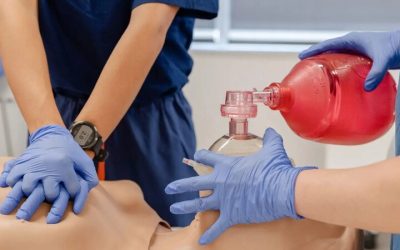
Proper training helps caregivers prevent common health issues from escalating into serious conditions. For instance, a caregiver trained in CPR can quickly perform chest compressions during cardiac arrest or respond to breathing difficulties in a child. Being able to act immediately can save lives in situations where every second counts.
4. Handling Medical Emergencies Effectively
From allergic reactions to fainting spells, caregivers must be able to manage a wide range of medical emergencies. First aid and CPR training teaches how to recognize signs of medical distress and how to respond. For example, knowing how to use an EpiPen for severe allergic reactions or how to treat a child for dehydration can be life-saving skills in emergencies.
What Are the Key Components of First Aid and CPR Training?
1. CPR for Children and Infants
One of the core components of CPR certification for healthcare providers is learning how to perform CPR on children and infants. Since babies and young children have different anatomical needs compared to adults, CPR for children is tailored to their specific requirements. This training ensures caregivers are equipped to handle emergencies, such as choking or sudden cardiac arrest, in a way that’s safe for young ones.
2. Choking Response
Choking is a common emergency, especially in children who may accidentally swallow food or objects. First aid training teaches caregivers the correct technique for responding to choking, including performing the Heimlich maneuver for infants and children. Having this skill can be the difference between life and death during a choking emergency.
3. Basic First Aid Skills
First aid training provides caregivers with the skills to manage basic injuries and illnesses. These include treating cuts, burns, bruises, sprains, and nosebleeds. Knowing how to care for these injuries until professional medical help arrives helps prevent complications and supports better recovery.
4. Dealing with Heat Exhaustion or Heat Stroke
In Arizona, heat exhaustion and heat stroke are common, especially during summer months when children are often outdoors. First aid for outdoor emergencies teaches caregivers how to recognize the symptoms of heat-related illnesses and how to treat them promptly by cooling the body and encouraging hydration. This knowledge helps keep children safe during hot weather activities.
How Does First Aid and CPR Training Help Babysitters and Caregivers?
Taking first aid and CPR training offers caregivers the knowledge and skills necessary to handle various emergencies with confidence. Whether it’s a minor injury, an allergic reaction, or a more serious medical issue, caregivers who are trained in first aid are better equipped to manage the situation calmly and effectively. These skills not only benefit the child or individual in their care but also provide peace of mind to parents or employers.
Furthermore, many parents and guardians now require babysitters and caregivers to have CPR and first aid certification as part of the hiring process. This is because parents want assurance that the person responsible for their child’s well-being is fully prepared to handle any emergency.
Get Certified in First Aid and CPR Today
Emergency first aid skills are essential for ensuring the safety of children and others in your care. In Phoenix, AZ, CPR Solutions AZ offers comprehensive CPR and first aid courses specifically designed for babysitters and caregivers.
Get certified today and gain the confidence to respond when it matters most. Contact CPR Solutions AZ to learn more about emergency first aid skills and sign up for CPR and AED certification training now.