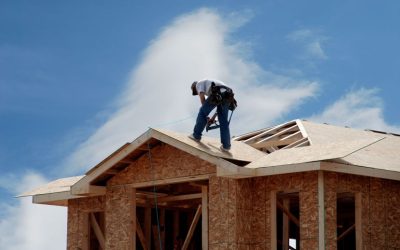
Installing a new roof is a significant investment for homeowners in Surprise, AZ. Whether you are replacing an old roof or adding a new one to a newly built home, proper planning is essential for a smooth, successful installation. The roof replacement and installation process involves careful consideration of materials, weather conditions, and the structure of your home. We provide you with crucial insights into the roof installation planning process, including how to prepare your home and property to ensure the job is done efficiently.
Roof Installation Planning: How to Prepare Your Home and Property
When planning for new roof installation, proper preparation can make a big difference in the overall experience and outcome. From selecting the right materials to ensuring a safe working environment, here’s what homeowners in Surprise, AZ should keep in mind before the installation process begins.
1. Choosing the Right Roofing Materials
One of the first steps in roof installation planning is selecting the right materials. Arizona’s hot climate and occasional monsoon storms require roofing materials that can withstand extreme conditions. Some of the most popular materials in the area include:
- Asphalt Shingles: Affordable and widely used, asphalt shingles are durable and work well for most homes in Surprise, AZ.
- Clay or Concrete Tiles: Perfect for homes in desert climates, tiles are resistant to heat and can last for decades.
- Metal Roofing: Highly durable, metal roofing can stand up to high winds and intense sun, making it ideal for homes in Arizona.
Work with a roofing professional to choose materials that match your home’s design and are suited to your climate. Your roofing contractor will offer roof replacement and installation options based on your needs and budget.
2. Clearing the Area Around Your Home
Before installation begins, you’ll need to clear the area around your home to ensure the roofing team has enough space to work safely. Remove any outdoor furniture, potted plants, or decorative items that might obstruct the work area. If you have any trees close to the roof, trim branches that could interfere with the installation process. This will help reduce the risk of damage to your property and allow the team to work efficiently.
3. Protecting Your Property and Landscaping
A new roof installation can generate a significant amount of debris, such as old shingles, nails, and other materials. To protect your landscaping and the exterior of your home, consider covering plants, shrubs, and outdoor fixtures with tarps or plastic sheeting. Some roofing companies will also use a large magnet to collect any stray nails and metal debris after the job is complete.
If you have any outdoor structures, like patios or decks, be sure to move any fragile or valuable items away from the area to prevent accidental damage during the installation.
4. Ensuring Structural Integrity
Before beginning the installation of your new roof, a professional contractor will assess the structural integrity of your roof deck (the base layer that supports the roofing material). If the deck is damaged or compromised, the contractor may recommend repairs before installing the new roofing material. This is an important part of roof replacement and installation, as the quality of the deck directly impacts the performance and longevity of your roof.
Your roofing professional will inspect for signs of rot, mold, or deterioration. If any issues are found, they will discuss the necessary repairs before moving forward with the new installation.
5. Scheduling the Right Time for Installation
The timing of your roof installation can impact the overall process. In Surprise, AZ, the best times for roof installation are typically during the cooler months (fall and spring) when temperatures are more moderate. During the summer months, extreme heat can make working conditions difficult and may lead to delays. Additionally, monsoon season (usually June through September) can bring storms that may interfere with roof installation.
By scheduling your roof installation during a more favorable time of year, you can ensure that the project is completed safely and efficiently.
6. Communicating with the Roofing Contractor
Effective communication with your roofing contractor is key to ensuring a successful project. Be sure to discuss the following details before the installation begins:
- Timeline: Get an estimate of how long the installation will take, so you can plan accordingly. Roof installation projects typically take a few days to complete, depending on the size and complexity of the job.
- Budget: Review the cost of materials, labor, and any additional services such as roof deck repairs or disposal of old roofing materials.
- Insurance and Warranties: Verify that the roofing contractor is fully insured and provides warranties on both materials and labor.
Having clear expectations and a well-defined agreement can help prevent misunderstandings and ensure the project runs smoothly.
7. Protecting Your Home’s Interior
While the focus is on the exterior, it’s important to also consider your home’s interior during roof installation. Roofing work can sometimes cause vibrations and dust to enter your home, especially if the roof needs to be removed entirely. If you have valuable items, electronics, or delicate furniture near the roofline, consider covering them or moving them to another room during the installation process.
Additionally, if you have attic space, it’s a good idea to inspect it before the installation begins. Ensure that attic vents are clear and that the insulation is intact, as these factors contribute to the overall health of your roof.
Trusted Roof Installation Planning Tips
A new roof installation is a large investment, but with the right planning, it can be a smooth and rewarding process. By carefully selecting roofing materials, preparing your home and property, and working with an experienced roofing contractor, you can ensure that your roof will last for many years.
If you’re planning for a roof replacement and installation, be sure to follow trusted roof installation planning tips to make the process easier and more effective. From scheduling the right time of year to ensuring proper roof deck repair, these tips will help you get the most out of your new roof.