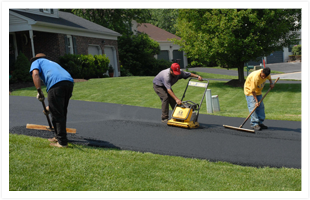
Micro Seal is a pavement preservation treatment that helps protect serviceable commercial asphalt while improving surface texture and appearance. For multi-tenant properties in Phoenix, AZ, the success of the project depends heavily on parking coordination, access planning, traffic control, and adequate cure time.
Shopping centers, office complexes, medical plazas, and mixed-use properties rarely have the option to close an entire parking lot without affecting tenants. A phased plan allows commercial paving services to move through the property while maintaining reasonable access for customers, employees, deliveries, and emergency vehicles.
What Is Micro Seal Used for on Commercial Properties?
Micro Seal, also called microsurfacing, is applied over existing pavement to address surface-level wear and help extend the usable life of commercial asphalt. It is commonly considered when the pavement remains structurally stable but shows oxidation, minor surface deterioration, aggregate loss, or reduced texture.
It is not designed to correct severe base failure, deep potholes, widespread settlement, or major structural cracking. Those conditions may require commercial parking lot repair before a surface treatment can be applied.
A pavement assessment should identify which areas are suitable for Micro Seal and which sections need patching, milling, crack treatment, or another form of repair. Applying a preservation treatment over unstable pavement can allow existing damage to return through the new surface.
Why Is Phasing Important for Multi-Tenant Parking Lots?
Multi-tenant properties have competing access needs. Restaurants may experience peak traffic during lunch and dinner, while offices need parking throughout business hours. Medical facilities may require accessible spaces and direct entry routes at all times.
Dividing the parking lot into manageable work zones helps reduce disruption. One section can be closed, treated, cured, and reopened before work begins in another area.
The phasing plan should consider:
- Tenant operating hours
- Customer traffic patterns
- Employee parking
- Loading and delivery areas
- Accessible parking spaces
- Fire lanes and emergency access
- Dumpster and service routes
- Drive-through lanes
- Entrances shared with neighboring properties
Property managers should communicate the work sequence early so tenants can inform employees, customers, vendors, and delivery drivers.
How Should Temporary Parking Be Planned?
Temporary parking should be identified before the first work zone is closed. Moving vehicles at the last minute can delay surface preparation and interfere with equipment access.
A clear plan may assign employees to less active areas while preserving convenient spaces for customers. For larger properties, tenants may need staggered parking arrangements based on the section being treated.
Temporary signs, cones, barricades, and advance notices can help drivers understand which spaces are unavailable. The plan should also prevent vehicles from entering freshly treated sections before the surface is ready.
Parking adjustments must remain practical. Redirecting customers too far from an entrance may create accessibility concerns or encourage drivers to ignore closures.
How Can Property Access Be Maintained During Micro Seal Work?
Maintaining access requires more than leaving one driveway open. Vehicles need a continuous route from the entrance to available parking, tenant spaces, loading areas, and exits.
The commercial paving contractor should review the property layout before work begins. This helps determine whether traffic can be redirected through internal drive aisles or whether entrance work must be completed in shorter stages.
Shared entrances require additional coordination. Closing a driveway may affect neighboring businesses, delivery routes, or traffic flow on adjacent streets.
Emergency access must remain available throughout the project. Fire lanes and designated response routes should not be blocked by equipment, materials, parked vehicles, or curing pavement.
How Long Does Micro Seal Need to Cure?
Cure time depends on the material, surface condition, temperature, humidity, sunlight, application thickness, and site-specific conditions. Phoenix heat can support drying, but high temperatures do not eliminate the need for proper curing and traffic control.
The surface must be firm enough to accept vehicles without tracking, scuffing, or damaging the new treatment. Areas with shade, limited airflow, or thicker application may require more time.
Property managers should avoid promising tenants a reopening time before the contractor confirms that conditions are acceptable. A work zone should remain closed until it is ready for traffic.
The schedule should also account for striping. Parking stalls, directional markings, fire lanes, and accessible spaces may need to be restored after the surface has cured sufficiently.
What Preparation Is Needed Before Micro Seal?
The parking lot must be evaluated and prepared before treatment. Dirt, loose aggregate, vegetation, and other debris can interfere with bonding.
Cracks may require treatment, while potholes and failed pavement should be repaired. Oil-contaminated areas may need cleaning, treatment, or removal depending on the depth of the damage.
Drainage structures, manholes, curbs, utility covers, and concrete transitions should also be reviewed. Surface treatments should not obstruct drainage or create uneven connections with surrounding features.
A coordinated commercial asphalt maintenance plan helps property managers determine which preparation and commercial paving services should occur before Micro Seal is applied.
How Should Tenants Be Informed About the Project?
Tenant communication should begin before barricades arrive. Notices should identify the affected section, closure date, parking alternatives, expected access route, and any vehicle-removal deadline.
Managers can reinforce the message through email, property signage, tenant portals, and direct communication with businesses that receive frequent deliveries.
Updates are especially important when weather or surface conditions change the schedule. Providing accurate information reduces confusion and helps tenants guide their customers.
When Is Parking Lot Repair Needed Before Micro Seal?
Micro Seal is most appropriate for pavement with surface wear rather than deep structural failure. Commercial parking lot repair may be needed when the site has potholes, unstable patches, severe rutting, settlement, or cracking caused by base movement.
Repairing these areas first creates a more stable surface for the preservation treatment. It also prevents the project from being treated as a cosmetic solution when deeper pavement problems are present.
For multi-tenant properties in Phoenix, careful inspection, phasing, access planning, and realistic cure times are essential. A well-organized project can protect the pavement while limiting disruption to the businesses that rely on the parking lot each day.