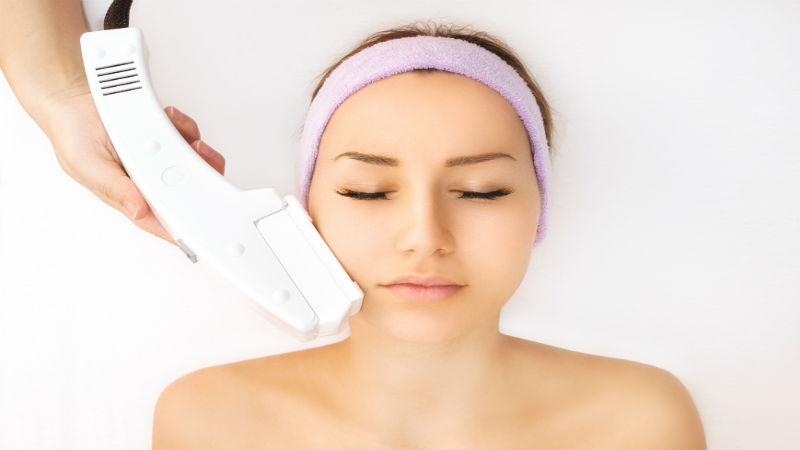
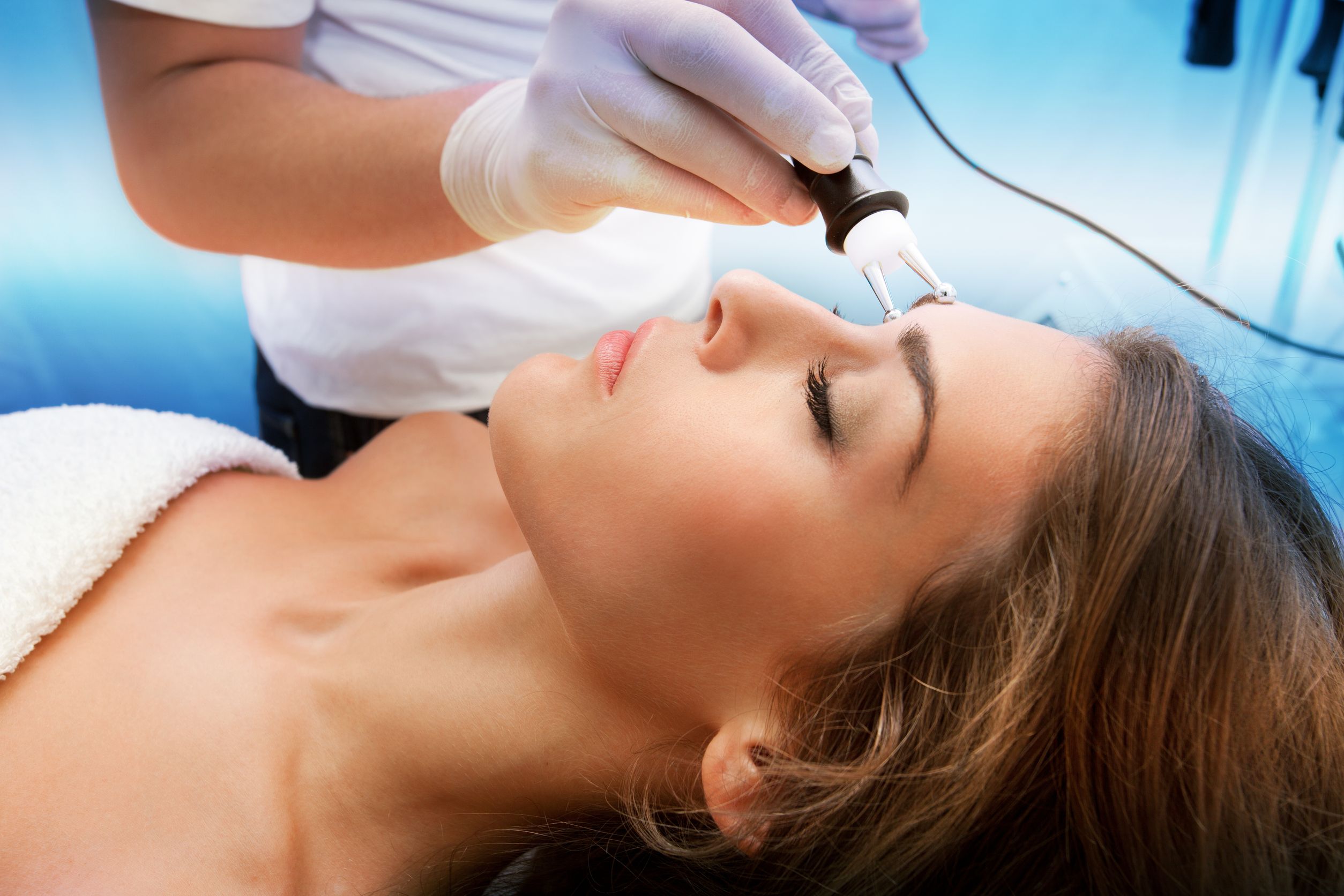
Laser skin resurfacing is a treatment designed to improve skin texture by targeting damaged outer layers while stimulating deeper collagen production. For individuals dealing with acne scars, fractional laser resurfacing helps reduce uneven texture and supports smoother, more consistent skin over time.
In Phoenix, AZ, where sun exposure and environmental factors can influence skin condition, treatments that address both surface damage and deeper structural concerns are often part of long-term skin care strategies.
How Do Acne Scars Affect Skin Texture?
Acne scars develop when inflammation damages the deeper layers of the skin, disrupting the normal healing process. Instead of forming smooth, even tissue, the skin may heal unevenly, resulting in depressions, rough patches, or irregular texture.
Common types of acne scars include:
- Atrophic scars (indented areas)
- Rolling scars (uneven surface texture)
- Boxcar scars (defined edges and depressions)
These texture changes are not just surface-level. They are tied to structural changes within the skin, which is why topical products alone often have limited impact on deeper acne scars.
How Does Laser Skin Resurfacing Improve Acne Scars?
Laser skin resurfacing works by creating controlled micro-injuries that trigger the body’s natural healing response. This process stimulates new collagen production, which helps rebuild and smooth the skin from within.
Fractional laser acne scars treatments focus on two key actions:
- Removing damaged outer skin layers
- Stimulating deeper collagen to improve structure
Over time, this leads to gradual improvement in the depth and appearance of scars, as well as overall skin texture.
Because the treatment works below the surface, results continue to develop even after the initial healing phase.
What Is Fractional Laser Resurfacing?
Fractional laser resurfacing delivers energy in microscopic zones rather than treating the entire skin surface at once. This allows surrounding untreated skin to support faster healing while still delivering noticeable improvements.
This approach offers several advantages:
- Reduced downtime compared to traditional resurfacing
- Targeted treatment of scarred areas
- Progressive improvement over multiple weeks
For acne scars, this method is especially useful because it focuses on rebuilding the skin’s structure rather than only addressing surface appearance.
What Changes in Skin Texture Over Time?
One of the key benefits of laser skin resurfacing for acne scars is that results develop gradually and naturally.
Early stage (first 1–2 weeks):
- Skin may appear smoother as surface layers renew
- Mild improvements in tone and brightness
Mid stage (2–4 weeks):
- Texture begins to feel more even
- Shallow scars may appear less noticeable
Later stage (1–3 months):
- Collagen continues rebuilding beneath the surface
- Deeper scars begin to soften in appearance
- Overall skin texture becomes smoother and more refined
This timeline reflects the natural cycle of collagen production, which takes time to rebuild and strengthen the skin.
Why Is Collagen Important for Skin Texture Improvement?
Collagen plays a central role in maintaining smooth, firm skin. When acne scars form, collagen structure becomes uneven or depleted in certain areas.
A collagen stimulation treatment like laser skin resurfacing helps restore balance by encouraging new collagen growth where it is needed most.
This leads to:
- Improved skin density
- Reduced depth of scars
- More even surface texture
Unlike temporary surface treatments, collagen-focused approaches provide longer-lasting improvements because they address the underlying cause of uneven texture.
How Many Treatments Are Typically Needed?
The number of treatments varies depending on the depth and type of acne scars, as well as individual skin response.
Some individuals may see improvement after one session, while others may benefit from multiple treatments spaced several weeks apart. Gradual progress is expected, as collagen remodeling continues over time.
A personalized approach is often recommended to determine the most effective treatment plan based on skin condition and goals.
How Does Laser Resurfacing Compare to Other Acne Scar Treatments?
Different treatments target acne scars in different ways.
- Topical treatments: improve surface appearance but have limited impact on deeper scars
- Chemical peels: target outer layers of the skin
- Microneedling: stimulates collagen but may require multiple sessions for visible changes
- Laser skin resurfacing: addresses both surface damage and deeper structural concerns
Because it combines surface renewal with collagen stimulation, laser skin resurfacing is often used for individuals seeking noticeable improvements in both texture and tone.
Take the Next Step Toward Smoother Skin
Acne scars can affect skin texture in ways that are difficult to address with surface-level approaches alone. Laser skin resurfacing offers a more structured path toward improving both the appearance and underlying quality of the skin over time.
For those in Phoenix, AZ exploring options for skin texture improvement, they offer access to advanced skin resurfacing designed to support long-term skin renewal.
They welcome individuals to visit and experience how personalized aesthetic care can support smoother, more refined skin over time.