Chronic back pain can be a debilitating condition, affecting your ability to perform everyday tasks and diminishing your quality of life. When pain persists despite conventional treatments, many individuals begin to explore alternative therapies. Non-surgical spinal decompression is one such therapy that has gained popularity for its ability to provide relief from chronic back pain without the need for invasive surgery. In this article, we will explore what spinal decompression therapy is, how it works, and whether it might be the right treatment for you.
What is Non-Surgical Spinal Decompression?
Non-surgical spinal decompression is a therapy designed to relieve pressure on the spine, specifically the discs and nerves. It is particularly beneficial for individuals suffering from conditions like herniated discs, degenerative disc disease, or sciatica, where the discs in the spine compress the nerves, leading to pain and discomfort.
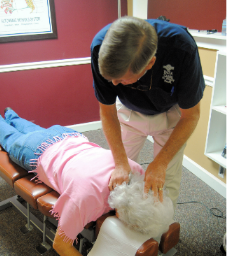
During spinal decompression therapy, patients are positioned on a specialized table that gently stretches and relaxes the spine. The goal is to create space between the vertebrae, relieving the pressure on the discs and spinal nerves. This process helps increase blood flow to the affected areas, promotes healing, and reduces pain.
Non-surgical spinal decompression is a non-invasive procedure, meaning it does not require surgery, needles, or medications. Many patients choose this treatment as an alternative to surgery, as it offers a less risky, less expensive, and more comfortable solution for chronic back pain.
How Does Spinal Decompression Therapy Work?
Spinal decompression therapy is typically performed using a motorized traction table. The table is designed to gently stretch and decompress the spine by applying controlled forces to specific areas. This process creates a vacuum effect within the spinal discs, which helps to draw bulging or herniated discs back into place and reduces the pressure on surrounding nerves.
The therapy works by gently alternating between periods of stretching and relaxation. During the stretching phase, the spine is lengthened, creating space between the vertebrae and reducing compression. The relaxation phase allows the spine to return to its natural position, giving the discs time to heal.
The treatment is usually performed over multiple sessions, each lasting around 30 to 45 minutes. The number of sessions required depends on the severity of the condition and the individual’s response to therapy.
Conditions Treated by Non-Surgical Spinal Decompression
Non-surgical spinal decompression can be effective in treating a variety of back pain conditions. Some of the most common conditions that can benefit from spinal decompression therapy include:
1. Herniated or Bulging Discs
A herniated or bulging disc occurs when the disc material pushes out from between the vertebrae, causing pain by pressing on nearby nerves. Spinal decompression therapy can help relieve this pressure and alleviate pain by pulling the disc material back into place.
2. Degenerative Disc Disease
As the discs in the spine age, they lose their ability to absorb shock, leading to pain and discomfort. Spinal decompression therapy helps restore the function of the discs by promoting healing and improving blood flow to the area.
3. Sciatica
Sciatica occurs when the sciatic nerve is compressed, causing pain that radiates down the leg. Spinal decompression therapy can help relieve the pressure on the sciatic nerve and reduce pain.
4. Spinal Stenosis
Spinal stenosis is a condition in which the spinal canal narrows, putting pressure on the spinal cord and nerves. Spinal decompression therapy can help alleviate this pressure and improve comfort.
5. Facet Joint Syndrome
Facet joint syndrome occurs when the joints in the spine become inflamed or irritated, causing pain and stiffness. Spinal decompression therapy can help reduce inflammation and promote healing in the affected joints.
Benefits of Non-Surgical Spinal Decompression
There are several benefits to choosing non-surgical spinal decompression over traditional treatment options. These include:
1. Non-Invasive
One of the main advantages of spinal decompression therapy is that it is a non-invasive treatment. Unlike surgery, spinal decompression therapy does not require incisions, anesthesia, or recovery time. Most patients can return to their daily activities shortly after the session.
2. Pain Relief
Spinal decompression therapy can provide significant pain relief for individuals suffering from chronic back pain. By relieving pressure on the discs and nerves, many patients experience reduced pain and discomfort, often within just a few sessions.
3. Improved Spinal Health
Spinal decompression therapy promotes the movement of essential nutrients into the spinal discs, which helps repair damaged tissues and improve the overall health of the spine. This can lead to long-term benefits, including better posture, reduced risk of future injuries, and improved mobility.
4. No Surgery or Medication
For those who wish to avoid surgery or rely on medication, spinal decompression therapy offers a drug-free alternative. It focuses on healing the spine naturally, without the need for painkillers or invasive procedures.
5. Enhanced Mobility
Chronic back pain can limit your range of motion and hinder your ability to perform daily activities. Spinal decompression therapy can help restore flexibility and improve your mobility, allowing you to move more freely and comfortably.
Is Spinal Decompression Therapy Right for You?
While spinal decompression therapy can be effective for many individuals, it is not suitable for everyone. It is important to consult with a healthcare professional before starting any treatment, especially if you have underlying medical conditions such as osteoporosis, fractures, or cancer.
A professional chiropractor in Wheat Ridge, CO can help determine if spinal decompression therapy is the right option for you. They will conduct a thorough assessment of your condition and provide personalized recommendations to ensure the best possible outcome.
If you suffer from chronic back pain and are looking for a non-surgical solution, non-surgical spinal decompression may be the right choice for you. By consulting with a qualified chiropractor, you can explore your options and take the first step toward lasting pain relief.