Water efficiency remains a top priority for property owners seeking to reduce costs and environmental impact. Whether managing a multi-story office building or upgrading a residential home, choosing the right pumping system is crucial. For those searching for solutions that blend innovation, durability, and sustainability, Wilo Pumps New Jersey is a popular search phrase for discovering technologically advanced water management solutions designed to optimize efficiency across a range of building types.
Innovative Pump Technologies for Modern Buildings
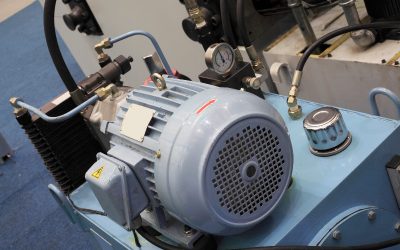
Modern buildings demand systems that do more than simply move water from one place to another. Advanced pump technologies incorporate intelligent features that adjust performance based on real-time demand, reducing energy consumption and minimizing water waste. These systems are engineered to operate efficiently under varying loads, which is especially important in buildings with fluctuating occupancy or usage patterns.
Key features of advanced water pumps include:
• Variable speed drives: These allow pumps to adjust their output to match the actual water demand, avoiding unnecessary energy use and reducing wear.
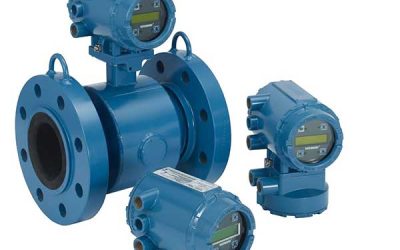
• Smart controls: Integrated sensors and digital interfaces enable real-time monitoring and remote management, making it easier to track performance and identify maintenance needs.
• Self-priming and low-noise operation: These characteristics ensure reliable service and comfort, especially in residential settings.
Such features not only improve operational efficiency but also contribute to lower utility bills and a reduced carbon footprint.
Benefits for Residential and Commercial Properties
Water efficiency strategies benefit both homeowners and commercial property managers. In residential settings, efficient pumps can help maintain consistent water pressure and support features like rainwater harvesting systems. In commercial buildings, where water usage is typically higher and more complex, advanced pump systems are essential for optimizing resource management.
Some notable advantages include:
• Reduced Operating Costs: By minimizing energy use and water waste, efficient pumps help lower ongoing expenses.
• Enhanced Reliability: Modern pump systems are designed for longevity, reducing the frequency of breakdowns and costly emergency repairs.
• Regulatory Compliance: Many municipalities have strict water usage regulations. Efficient pump solutions can help properties remain compliant with local codes and green building standards.
• Scalability: Whether serving a single-family home or a sprawling commercial complex, today’s pump technologies can be tailored to fit specific needs.
Supporting Sustainability and Future-Proofing
Embracing efficient water management is not just about immediate savings; it also supports broader sustainability goals. Advanced pump systems facilitate the integration of renewable energy sources and water reuse strategies, such as graywater recycling. By investing in these technologies, building owners contribute to water conservation efforts and position their properties to meet future regulatory and market demands.
Additionally, the adoption of intelligent pump systems can enhance a building’s appeal to environmentally conscious tenants and buyers, further increasing property value.
Key Takeaways
Achieving water efficiency in residential and commercial buildings requires more than traditional equipment. Innovative pump solutions provide the intelligent control, adaptability, and reliability necessary for modern property management. By leveraging advanced technologies, property owners can significantly reduce operating costs, support sustainability initiatives, and ensure long-term compliance with evolving standards. For those seeking to upgrade or replace their current systems, exploring the latest advancements in pump technology is a smart step toward a more efficient and sustainable future.