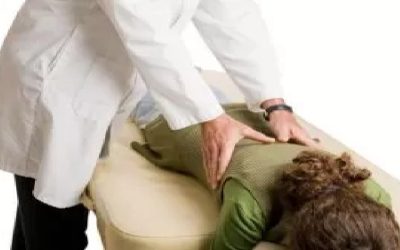
Back and neck discomfort linked to disc problems can affect everything from daily movement to sleep quality. For many people in Gresham, OR, exploring conservative options is often the first step before considering more invasive approaches. Non-surgical spinal decompression, often referred to as spinal decompression therapy, is one approach designed to reduce mechanical stress on the spine and support healthier disc function over time.
What Non-Surgical Spinal Decompression Is
Non-surgical spinal decompression is a therapy that uses controlled, gentle traction to reduce pressure along specific areas of the spine. The goal is to create more favorable conditions for discs and surrounding structures by decreasing compressive forces that can contribute to discomfort and limited mobility.
Unlike simple stretching, decompression therapy is typically delivered using a specialized table or traction system that allows precise control over:
- The amount of pull (force)
- The angle and targeted spinal region
- The timing of hold and release cycles
These controlled movements aim to improve spinal mechanics while keeping the process comfortable and gradual.
How Spinal Decompression Therapy Supports Disc Health
Intervertebral discs act as cushions between vertebrae. Over time, daily stress, repetitive strain, or injury may contribute to disc bulging, herniation, or degeneration. When discs are under pressure, nearby nerves may become irritated, which can lead to symptoms such as radiating discomfort, tingling, or weakness.
Spinal decompression therapy is designed to:
- Reduce pressure on discs and nearby joints
- Encourage better spinal motion and alignment patterns
- Support circulation and nutrient exchange in disc tissue
- Create space that may reduce nerve irritation in some cases
Disc tissue has limited blood supply, so movement and mechanical unloading may help support the disc environment over time. This is why decompression therapy is often discussed as a supportive approach rather than a quick fix.
Understanding Herniated Disc Symptoms and Stress Patterns
A herniated disc occurs when the disc’s inner material pushes outward through a weakened area of the outer layer. Symptoms vary widely depending on location and severity.
Common symptom patterns include:
- Lower back discomfort with symptoms down the leg (often associated with lumbar disc issues)
- Neck discomfort with symptoms into the shoulder or arm (often associated with cervical disc issues)
- Stiffness and reduced range of motion
- Discomfort that increases with prolonged sitting, bending, or lifting
Herniated disc treatment often focuses on reducing mechanical stress, improving movement tolerance, and restoring function—especially when symptoms are connected to nerve irritation.
What a Typical Decompression Therapy Plan May Include
Spinal decompression therapy is often part of a broader care plan. Providers typically begin with an evaluation that looks at symptom patterns, movement tolerance, and goals.
A comprehensive plan may include:
- Decompression sessions scheduled over several weeks
- Gentle mobility work and stretching
- Core or stability exercises to support spinal mechanics
- Posture and movement guidance for daily activities
- Recommendations for activity modification during flare-ups
Because disc-related symptoms can fluctuate, plans are often adjusted based on response and progress.
Who May Be a Good Fit for Decompression Therapy
Non-surgical decompression is commonly considered for people experiencing symptoms associated with disc compression or nerve irritation. However, it is not appropriate for everyone.
People who may discuss decompression therapy as an option include those with:
- Disc bulges or herniations
- Persistent back or neck discomfort with radiating symptoms
- Symptoms aggravated by compression-related postures
- Difficulty tolerating prolonged sitting or standing
A provider will typically screen for contraindications and determine whether decompression is a reasonable option based on individual factors and medical history.
How Decompression Supports Long-Term Disc Care Habits
Disc health is influenced by daily mechanics—how you sit, lift, move, and recover. Even if decompression therapy reduces pressure during sessions, long-term improvement often depends on reducing repetitive stressors.
Practical habits that support disc health over time include:
- Taking brief movement breaks during prolonged sitting
- Using safe lifting patterns (hip hinge, neutral spine)
- Strengthening supportive muscles (core, glutes, upper back)
- Improving workstation ergonomics
- Gradually returning to activity rather than rushing through flare-ups
Decompression therapy can be a helpful part of a long-term plan when paired with consistent movement and strengthening strategies.
What to Ask Before Starting Spinal Decompression Therapy
If you’re considering spinal decompression therapy, asking a few key questions can help set expectations and clarify next steps:
- What area of the spine is being targeted and why?
- How many sessions are typically recommended before progress is reassessed?
- What activities should be modified during care?
- What home exercises or posture changes will support results?
- How will progress be measured (function, mobility, symptom changes)?
These questions keep the focus on measurable improvements and functional outcomes.
Supporting Disc Health Over Time
Non-surgical spinal decompression is designed to reduce spinal pressure and support healthier mechanics, particularly for people dealing with disc-related symptoms. While outcomes vary by individual, many care plans focus on gradual improvement through pressure reduction, movement restoration, and supportive strengthening habits.
For those in Gresham, OR researching spinal decompression therapy, understanding how decompression works, and how it fits into a broader plan, can help you make informed decisions and set realistic expectations for disc health over time.
Explore Decompression Therapy for Disc Support
If you’re looking into conservative options for ongoing disc-related discomfort, learn more about decompression therapy for herniated disc treatment to see how non-surgical spinal decompression may support disc health and mobility over time.