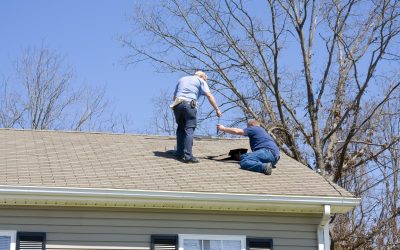
Regular foot traffic around rooftop HVAC equipment can gradually damage commercial roof systems by creating concentrated wear, punctures, compression, and stress around seams or flashing. For commercial properties in Surprise, AZ, inspecting frequently traveled service paths can help identify developing problems before localized wear contributes to moisture intrusion or more extensive repairs.
HVAC units require periodic inspection, maintenance, and repair, which means technicians may repeatedly travel across the same areas. While this access is necessary, the surface beneath those travel paths deserves additional attention as part of ongoing property maintenance.
Why Is HVAC Service Traffic Hard on Commercial Roof Systems?
Commercial roof surfaces are designed to withstand weather exposure, but repeated foot traffic creates a different type of stress. Technicians may carry tools, replacement components, hoses, equipment, or other materials between an access point and HVAC units.
Over time, repeated activity can affect membranes, seams, coatings, and other exposed components. The amount of wear depends on factors such as the roof system, age, condition, frequency of access, and whether designated walkways are present.
Damage is not always immediately obvious. A heavily traveled section may initially show scuffing or compression before a more significant condition becomes visible.
Where Is HVAC-Related Wear Most Likely to Develop?
The path between the roof access point and mechanical equipment is an important area to evaluate. The surfaces immediately surrounding HVAC units may also receive concentrated activity as technicians position themselves to perform their work.
Other areas that may warrant closer attention include seams crossed repeatedly by foot traffic, transitions between different materials, penetrations, flashing, drainage areas, and locations where tools or equipment are temporarily placed.
Professional roof inspection services can evaluate these areas as connected service zones instead of focusing only on the mechanical unit itself.
Patterns are particularly useful. Repeated wear along a recognizable path may provide context about how regular rooftop activity is affecting the surrounding materials.
Can Foot Traffic Cause Membrane Punctures?
Depending on the commercial roof system, punctures can occur when sharp objects, dropped tools, equipment edges, or concentrated pressure affect the membrane.
Not every puncture immediately produces a visible interior leak. The opening may be small, or moisture may travel within the assembly before signs appear inside the building.
This is one reason surface conditions should be evaluated before assuming an interior stain identifies the exact location of a problem.
When damage is discovered, professional commercial roof repairs may involve evaluating the affected membrane and surrounding materials to determine the appropriate repair method.
Do Walk Pads Prevent All Foot-Traffic Damage?
Walk pads can help establish designated routes and provide additional protection in areas where regular access is expected, but they do not make those locations maintenance-free.
The pads themselves can deteriorate, shift, separate, or develop other issues depending on the system. Their edges and the materials surrounding them should also be reviewed periodically.
Workers may also step outside designated paths when accessing equipment or moving around obstacles.
As a result, roof maintenance and repairs should consider both designated walkways and adjacent surfaces. The presence of a walkway should not be treated as proof that the surrounding area is free from wear.
How Can HVAC Work Affect Flashing and Penetrations?
HVAC equipment often sits near curbs, penetrations, conduits, pipes, drains, and other transitions. These areas involve changes in materials and elevations that must continue managing water while being exposed to maintenance activity.
Repeated movement nearby can make existing weaknesses easier to notice or potentially contribute to localized stress.
An inspection may look for open seams, displaced components, deteriorated sealants, membrane changes, or evidence that water is collecting where it should drain away.
The objective is not to assume HVAC technicians caused a particular condition. Instead, service activity is one factor that can help determine which high-traffic areas deserve closer evaluation.
Why Is Documentation Useful After Rooftop HVAC Work?
Property managers can benefit from keeping records of when major mechanical service occurs, particularly when work involves multiple technicians, equipment replacement, or extensive rooftop activity.
If a surface concern appears later, those records can help establish when the area was last observed and whether conditions have changed.
Photos from scheduled inspections can provide additional context. Comparing documented conditions over time may reveal gradual wear that would be difficult to recognize from a single evaluation.
This information can also help professionals determine whether roof repair services should focus on an isolated condition or whether nearby high-traffic areas deserve further examination.
When Should High-Traffic Areas Be Inspected?
Commercial property owners and managers may consider an evaluation when visible membrane damage, open seams, displaced materials, unusual surface wear, or interior moisture becomes apparent. Additional assessment can also be useful after significant HVAC replacement or other work involving substantial rooftop activity.
Arizona conditions add another consideration. Commercial roof surfaces in Surprise are regularly exposed to intense sunlight, high temperatures, wind, and seasonal storms. These environmental conditions and service-related traffic can affect materials differently, making the actual condition of the system more important than assumptions based only on age.
Building occupants should not attempt to investigate questionable areas by walking across unfamiliar commercial roof surfaces. Access can present fall hazards and may create additional damage.
How Can Commercial Properties Reduce Problems Around HVAC Areas?
The most practical approach is to treat HVAC access routes as specific areas that deserve ongoing observation. Regular professional evaluations, maintenance documentation, clearly defined access paths where appropriate, and timely attention to visible changes can help property managers understand how these areas are performing.
Not every scuff, mark, or irregularity requires extensive work. A professional assessment can distinguish ordinary surface changes from conditions that may require maintenance or repair.
For commercial properties in Surprise, AZ, schedule a professional evaluation when HVAC service areas show signs of wear, membrane damage, or possible moisture intrusion. Identifying the condition and its extent can help determine the appropriate next step without relying on assumptions about the source of the damage.