As our loved ones age, they may require assistance with daily tasks such as bathing, meal preparation, and medication management. For many families, providing this support can become overwhelming, especially when juggling work and personal responsibilities. This is where home caregiver support comes in—offering the perfect balance between professional care and family involvement.
In this blog, we’ll explore how to balance professional caregiving services with the love and support of family members. The goal is to help seniors maintain their independence and well-being while ensuring they receive the care and companionship they need.
The Importance of Home Caregiver Support
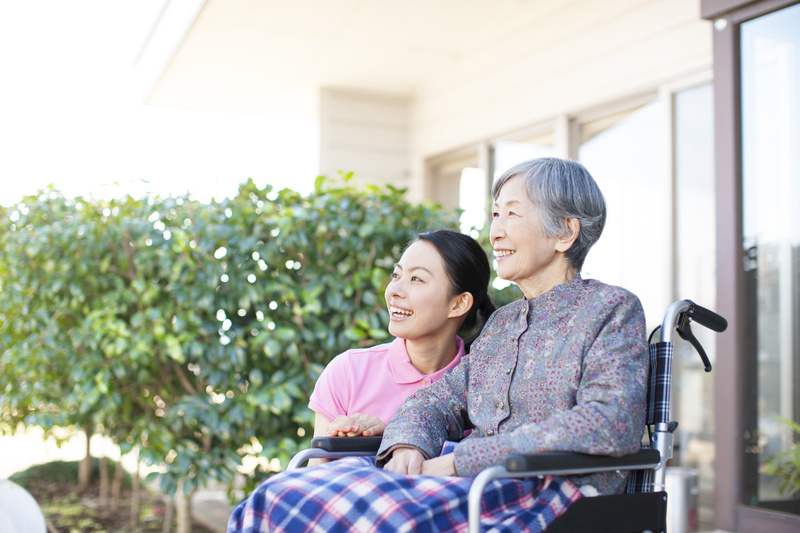
Home caregiver support is a vital service that helps seniors continue to live independently in their own homes. Caregivers assist with activities such as dressing, personal hygiene, cooking, cleaning, and managing medical conditions. However, the role of a professional caregiver does not replace the important emotional and psychological support family members provide.
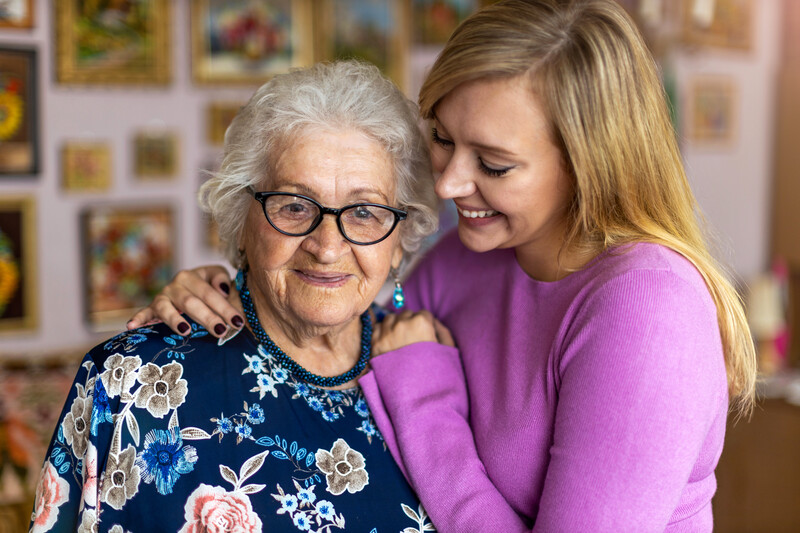
Family involvement plays a critical role in maintaining a senior’s emotional health and well-being. While caregivers ensure physical needs are met, family members offer emotional comfort, encouragement, and companionship. The key to successful caregiving lies in finding the right balance between these two sources of support.
Professional Caregivers: Expertise and Compassion
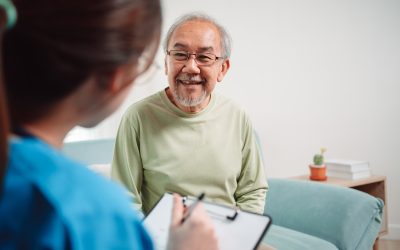
Professional caregivers bring a wealth of experience and training to their role. They are skilled in providing care for individuals with a variety of needs, from those requiring basic assistance to those with complex medical conditions such as dementia, Parkinson’s, or diabetes. Their expertise ensures that seniors receive high-quality care that addresses both their physical and medical needs.
In addition to providing physical care, professional caregivers also ensure that medication is taken correctly, manage health appointments, and help seniors maintain daily routines. This can greatly reduce the burden on family members, allowing them to focus on providing emotional support.
Learn more about caregiver assistance for seniors. Caregiver Assistance for Seniors
The Role of Family in Senior Care
While professional caregivers are essential for providing physical care, family members play an equally important role in the caregiving process. They offer emotional support, build strong relationships with their loved ones, and help preserve the senior’s sense of identity and independence. Family members also serve as advocates, making important decisions about medical care and ensuring that the senior’s wishes are respected.
There are several ways family members can remain actively involved in caregiving while still allowing professional caregivers to handle the more physically demanding aspects of care:
- Stay connected: Regular visits, phone calls, or video chats allow family members to maintain a close relationship with their loved ones. These interactions also offer opportunities to assess the senior’s emotional and mental well-being.
- Provide companionship: Family members can spend time with their loved ones by engaging in meaningful conversations, playing games, or simply sharing a meal together.
- Be involved in decision-making: Family members should communicate openly with professional caregivers to ensure that care plans align with the senior’s wishes and preferences.
Balancing the Roles: How to Ensure Effective Caregiving
Successfully balancing professional care with family involvement requires clear communication and a well-defined care plan. Here are some strategies for families to effectively manage this balance:
- Establish clear responsibilities: Assign specific tasks to both the caregiver and family members to avoid confusion and ensure that the senior’s needs are met.
- Create a care schedule: Work with the professional caregiver to create a care schedule that fits the family’s availability and needs. This ensures that the senior receives consistent care and companionship.
- Maintain open communication: Regularly check in with the caregiver to discuss any concerns, updates, or changes in the senior’s health. Family members should also be involved in any decisions regarding the senior’s care.
The Benefits of Combining Professional and Family Care
When both professional caregivers and family members are involved in a senior’s care, the benefits are clear. Combining the expertise of trained caregivers with the love and emotional support of family members creates a holistic caregiving environment that prioritizes the senior’s well-being.
This approach not only helps seniors remain in their homes for longer but also strengthens relationships within the family. The balance between professional care and family involvement allows everyone to contribute to the senior’s care, creating a supportive and loving environment.
If you’re looking for compassionate and professional home caregiver support, Golden Heart AZ is here to help. Our team of experienced caregivers can assist your loved one with daily activities while ensuring they maintain their independence. Contact us today to learn more about how we can create a personalized care plan for your family member.