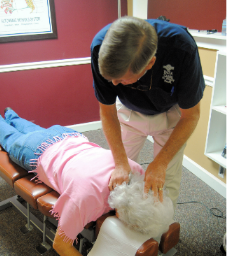
A full body chiropractic adjustment generally evaluates and addresses multiple areas of the spine and related joints, while a targeted chiropractic adjustment focuses on a specific area causing discomfort or restriction. For people in Surrey, BC searching for a chiropractor near me, understanding the difference can help them know what type of chiropractic care may fit their symptoms, goals, and daily movement needs.
Chiropractic care is often associated with back or neck adjustments, but the body works as a connected system. Tension in the hips may affect the lower back. Reduced movement in the upper back may place extra strain on the neck. Shoulder tension may be connected to posture, desk work, or spinal mechanics. This is why some patients may receive broader care, while others may benefit from a more focused approach.
What Is a Full Body Chiropractic Adjustment?
A full body chiropractic adjustment looks beyond one isolated area. Instead of only assessing the spot where discomfort is felt, the chiropractor may evaluate the neck, mid-back, lower back, pelvis, hips, and sometimes other joints that influence movement.
This type of care may be helpful when a patient feels general stiffness, uneven movement, posture strain, or tension in several areas. For example, someone who works long hours at a desk may experience neck stiffness, shoulder tightness, mid-back restriction, and lower back discomfort at the same time. A broader evaluation may help identify how these areas are connected.
A full body approach does not mean every joint is adjusted at every visit. It means the chiropractor considers the larger movement pattern before deciding what areas need care. Patients searching for a full body adjustment chiropractor near me may be looking for this more complete assessment of spinal and joint function.
What Is a Targeted Chiropractic Adjustment?
A targeted chiropractic adjustment focuses on one primary area of concern. This may involve the neck, upper back, lower back, pelvis, or another specific joint region. The goal is to address restricted movement or mechanical stress in the area most connected to the patient’s symptoms.
Targeted care may be used when discomfort is localized. For example, a person may feel stiffness on one side of the neck after sleeping awkwardly, lower back tension after lifting, or mid-back tightness after long driving hours. In these cases, the chiropractor may assess the full body but focus care on the area that needs the most attention.
This approach can be useful when symptoms are clear, recent, or limited to a specific region. It may also be appropriate when a patient is sensitive to broader adjustments and prefers a more gradual care plan.
How Does a Chiropractor Decide Which Approach to Use?
A chiropractor usually decides between full body and targeted adjustments after reviewing the patient’s health history, symptoms, posture, mobility, and spinal movement. The decision is based on assessment findings rather than a one-size-fits-all method.
During the visit, the chiropractor may ask where the discomfort started, how long it has been present, what activities make it worse, and whether symptoms move into other areas. They may also check posture, range of motion, muscle tension, and joint restriction.
For patients searching for a top chiropractor near me, one important factor is whether the chiropractor takes time to understand the whole picture before beginning care. The best approach is usually the one that matches the patient’s body, comfort level, and reason for seeking chiropractic care.
When Might a Full Body Adjustment Be Considered?
A full body chiropractic adjustment may be considered when symptoms affect several areas or when movement feels restricted throughout the body. It may also be helpful for people who feel uneven, stiff, or tense after repetitive activity.
Common reasons someone may ask about a full body adjustment include:
- Neck, shoulder, and back tension together
- Lower back stiffness with hip tightness
- Postural strain from desk work
- General spinal stiffness
- Muscle tension after physical activity
- Movement imbalance from daily routines
In Surrey, many people commute, work at computers, lift at work, care for children, or stay active through sports and recreation. These daily demands can create strain in more than one area. A broader chiropractic assessment may help reveal how one area of restriction contributes to another.
When Might a Targeted Adjustment Be More Appropriate?
A targeted adjustment may be more appropriate when symptoms are limited to one area or when a patient has a specific concern. This may include neck stiffness, lower back discomfort, mid-back restriction, or tension around one joint region.
Targeted care may also be used during the early stages of care when the chiropractor wants to observe how the patient responds. Some people feel more comfortable beginning with a focused approach before moving into broader care, if needed.
A targeted adjustment does not ignore the rest of the body. It simply gives priority to the area most connected to the patient’s current symptoms. The chiropractor may still provide posture tips, movement advice, or lifestyle guidance based on what they observe.
Are Full Body Adjustments and Targeted Adjustments Safe for Everyone?
Chiropractic care should always begin with an assessment. Not every patient needs the same technique, pressure, or care plan. A chiropractor may adjust the approach based on age, health history, comfort level, symptoms, and mobility.
Some patients may benefit from manual adjustments, while others may receive gentler techniques. The chiropractor should explain what they are doing, why they are recommending it, and what the patient may feel during or after care.
Patients with sudden severe pain, recent trauma, unexplained symptoms, worsening numbness, loss of strength, or unusual headaches should seek medical evaluation promptly. Chiropractic care is most appropriate when the provider determines it can be safely applied based on the patient’s condition.
What Should Surrey Patients Expect During an Appointment?
A chiropractic appointment often begins with a conversation about symptoms and daily routines. The chiropractor may ask about work habits, sleep posture, exercise, past injuries, and areas of stiffness or discomfort.
The assessment may include posture checks, spinal motion testing, range-of-motion evaluation, and palpation of joints and soft tissues. From there, the chiropractor may recommend either a targeted adjustment, a broader full body approach, or another plan based on the findings.
For adults exploring full body adjustment chiropractor near me, Pathways Family Chiropractic provides chiropractic care for adults with attention to spinal movement, posture, and daily function. They consider how different areas of the body may work together when helping patients understand their care options.
How Can Patients Support Results Between Visits?
Chiropractic care may be supported by better daily movement habits. Patients can help reduce recurring strain by changing positions during the day, improving desk setup, stretching gently, staying active, and avoiding long periods in one posture.
For desk workers, raising the screen to eye level and keeping shoulders relaxed may reduce neck and upper back tension. For active adults, warmups, recovery time, and balanced movement may help reduce strain. For people who lift often, proper body mechanics may help protect the lower back and hips.
The goal is not only to feel better after an appointment but also to reduce the patterns that contribute to recurring discomfort.
Understanding the Right Adjustment Approach
The difference between a full body adjustment and a targeted chiropractic adjustment comes down to scope. A full body approach considers multiple connected areas, while a targeted adjustment focuses on a specific region that needs attention.
For Surrey residents searching for chiropractor near me or top chiropractor near me, the most helpful first step is an assessment that explains what is happening and why a certain approach may be recommended. With clear guidance, patients can better understand their spinal health, movement patterns, and options for chiropractic care.