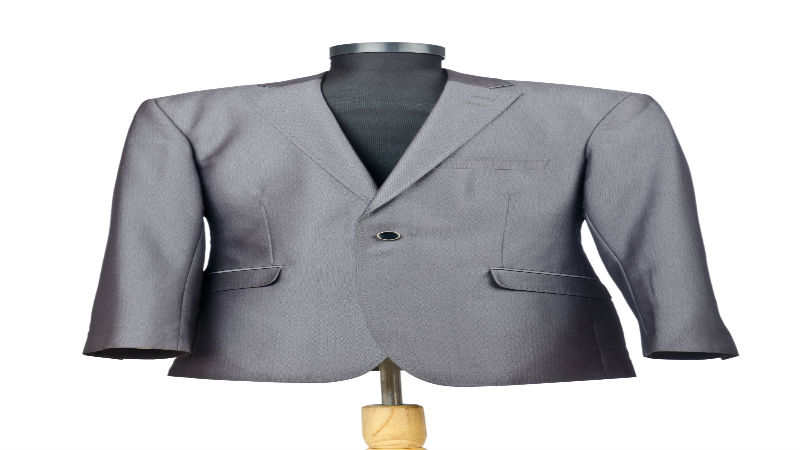
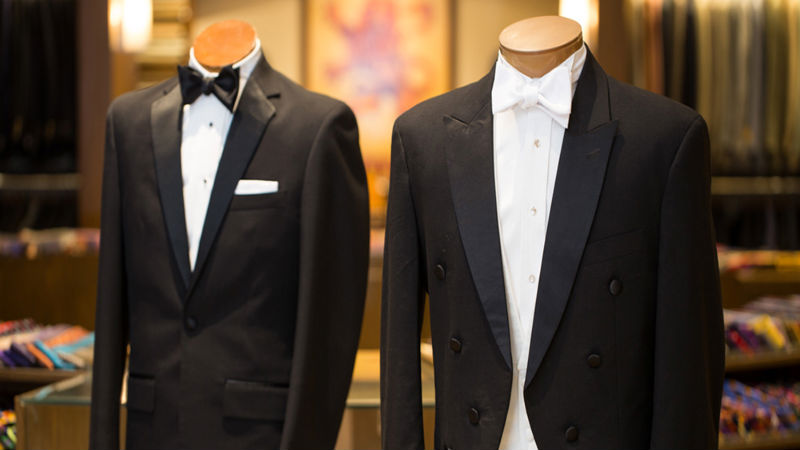
The right fabric plays an important role in creating a suit that matches the wearer’s comfort, style preferences, and intended use. Custom made suits allow individuals to select materials based on factors such as climate, occasion, texture, and overall appearance.
Why Does Fabric Matter When Creating a Custom Suit?
Fabric influences how a suit looks, feels, and performs over time. While design and fit are important parts of tailoring, the material selected can affect breathability, structure, movement, and the overall character of the garment.
Different fabrics offer different qualities. Some materials create a lightweight feel suitable for warmer conditions, while others provide a more structured appearance for formal settings. Understanding these differences helps individuals make informed decisions when designing a personalized garment.
For those exploring tailored clothing options in Phoenix, AZ, they can learn how custom-made suits are developed with attention to individual preferences, including fabric selection.
What Factors Should Be Considered When Choosing Suit Fabric?
Choosing the right fabric depends on how and when the suit will be worn. Several factors can influence the best material choice, including:
Climate and seasonal conditions
Frequency of wear
Professional or formal use
Desired texture and appearance
Phoenix experiences a desert climate with hot summers and mild winters, making fabric selection an important consideration for many residents. According to the National Weather Service, Phoenix records an average of more than 3,800 hours of sunshine annually, which highlights the importance of considering comfort and breathability when selecting clothing materials.
A fabric that works well for a warm environment may differ from one chosen for cooler climates or indoor formal events.
Which Fabrics Are Commonly Used for Tailored Suits?
Several fabrics are commonly selected for Custom Tailored Suits, each offering different characteristics.
Wool
Wool remains a popular choice for many suits because it provides structure while allowing natural breathability. Different weights and weaves can make wool suitable for various seasons and occasions.
Linen
Linen is known for its lightweight feel and relaxed appearance. It is often considered for warm-weather clothing because of its ability to provide comfort in higher temperatures.
Cotton
Cotton offers a softer texture and a more casual appearance compared to traditional wool fabrics. It can work well for individuals seeking a balance between comfort and polished style.
Blended Fabrics
Fabric blends combine different materials to create specific characteristics, such as improved durability, texture, or flexibility.
Each option provides different benefits, making it important to consider the purpose of the suit before selecting a material.
How Does Fabric Choice Affect the Suit’s Appearance?
The fabric selected can influence the overall style of a suit. Texture, weight, and finish all contribute to how the garment appears when worn.
Smooth fabrics may create a more formal and refined look, while textured materials can add visual interest and a more distinctive appearance. The fabric’s structure also affects how the jacket maintains its shape and how the suit moves with the wearer.
Mens Tailored Suits are often designed with these details in mind, allowing the finished garment to align with personal style while supporting comfort and function.
What Fabric Works Best for Professional and Formal Settings?
The ideal fabric depends on the setting where the suit will be worn. Business environments often call for versatile materials and classic designs that can transition between meetings, events, and daily professional activities.
For formal occasions, individuals may prefer fabrics with a refined appearance and a structured finish. Wedding suits, evening attire, and special event clothing may require different considerations compared to everyday professional wear.
By understanding the purpose of the suit, individuals can select fabrics that support both appearance and practicality.
How Does Fit Work Together With Fabric Selection?
Fabric and fit work together to create the final look of a tailored garment. Even high-quality materials need proper construction and measurements to achieve the intended appearance.
Mens Custom Fit Suits are designed around individual measurements, allowing the fabric’s characteristics to complement the wearer’s proportions. The right combination of material and fit can help create a balanced silhouette while allowing comfortable movement.
A carefully selected fabric becomes more effective when it is incorporated into a design that considers the wearer’s needs.
What Should You Know Before Selecting Suit Fabric?
Before choosing a fabric, individuals should consider their lifestyle, wardrobe goals, and the occasions where the suit will be worn.
Questions to consider include:
Will the suit be worn regularly or occasionally?
Is comfort in warm weather a priority?
Should the style be classic or more distinctive?
Does the suit need to transition between different settings?
These considerations help narrow down fabric options and create a garment that fits both practical needs and personal preferences.
How Does Fabric Selection Create a More Personal Suit?
A custom suit is created through a combination of thoughtful decisions, and fabric is one of the most important choices in that process. The material affects the suit’s comfort, appearance, and ability to match the wearer’s lifestyle.
By understanding fabric characteristics and how they influence the final garment, individuals in Phoenix can make more informed choices when designing a tailored suit that reflects their personal style.