In today’s fast-paced manufacturing landscape, American industries demand components that are not only durable and precise but also adaptable to evolving engineering needs. Whether supporting aerospace, automotive, electronics, or medical sectors, companies rely on advanced fabrication processes to maintain their competitive edge. Many decision-makers and engineers searching for ways to optimize their production turn to Precision Sheet Metal Fabrication as a proven method for delivering high-quality, reliable solutions tailored to their unique requirements.
The Fundamentals of Precision Sheet Metal Fabrication
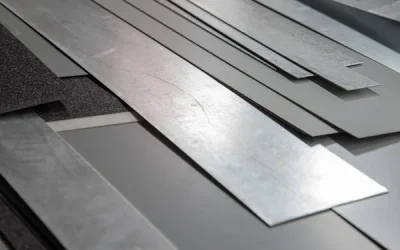
Precision sheet metal fabrication refers to the process of transforming flat metal sheets into specific shapes and components through cutting, bending, punching, and assembling. Utilizing state-of-the-art machinery and computer-aided design (CAD) software, fabricators can achieve remarkably tight tolerances and repeatable results, making this technique indispensable for industries that require exacting standards.
Key steps in the fabrication process include:
- Design and Prototyping: Engineers collaborate closely to develop accurate digital models, allowing for rapid prototyping and design optimization before full-scale production.
- Cutting and Forming: Advanced laser cutters, waterjets, and press brakes shape the metal sheets with high precision, ensuring consistency across large production runs.
- Assembly and Finishing: Components are welded, riveted, or fastened together, followed by finishing processes such as powder coating or anodizing to enhance durability and appearance.
Why American Industries Rely on Precision Fabrication
American industries choose precision sheet metal fabrication for several compelling reasons:
1. Customization and Flexibility
Industries often require custom solutions, whether for specialized machinery, enclosures, or structural supports. Precision fabrication allows for the creation of bespoke parts that meet exact specifications, adapting quickly to design changes or evolving project needs.
2. Consistency and Quality Assurance
By leveraging computer-controlled equipment and rigorous quality control measures, fabrication shops deliver parts with consistent dimensions and flawless finishes. This level of reliability is critical in sectors like aerospace and medical devices, where safety and performance are paramount.
3. Cost-Effectiveness and Efficiency
Modern fabrication techniques minimize material waste and reduce labor costs, enabling American manufacturers to produce high-quality components efficiently. Quick turnaround times and streamlined workflows further enhance productivity, helping businesses stay ahead in competitive markets.
4. Scalability and Speed
Whether producing a single prototype or thousands of units, precision sheet metal fabrication scales seamlessly to meet varying production demands. Automated machinery and standardized processes make it possible to deliver both small and large batches on time, supporting just-in-time manufacturing strategies.
Applications Across Diverse Sectors
The versatility of precision sheet metal fabrication extends across numerous American industries, including:
- Aerospace: Lightweight, robust components for airframes and avionics.
- Automotive: Custom brackets, panels, and chassis parts for vehicles.
- Electronics: Enclosures and heat sinks for sensitive equipment.
- Medical: Surgical instruments and medical device housings requiring strict hygiene standards.
Precision sheet metal fabrication stands as a cornerstone of modern American manufacturing, offering unmatched reliability, customization, and efficiency. By harnessing advanced technologies and adhering to strict quality standards, this fabrication method empowers industries to innovate and thrive in a rapidly changing marketplace. As the demand for high-performance, tailored solutions continues to grow, precision sheet metal fabrication remains essential for delivering dependable results across the nation’s diverse industrial landscape.