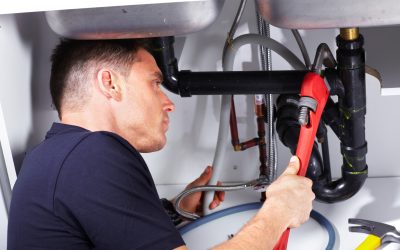
Plumbing issues can strike at any time, often when you least expect them. Whether it’s a burst pipe in the middle of the night or a clogged drain during a holiday, these emergencies can be stressful and costly. However, with proper maintenance and some simple precautions, you can prevent many of these issues before they arise.
Let’s explore some essential preventative plumbing tips that can help homeowners maintain their systems and avoid the need for an emergency residential plumber.
One of the most common plumbing problems is a clogged drain. Over time, hair, grease, soap scum, and food particles accumulate in pipes, leading to blockages. While many homeowners may use chemical drain cleaners, these can cause long-term damage to the pipes.
Instead, a professional drain cleaning service, performed by a trusted expert plumber, ensures that the pipes remain clear without risking potential damage. Regularly cleaning your drains (at least once a year) can help prevent major backups that might require emergency attention.
Leaks are sneaky and often go unnoticed until they cause significant damage. A slow, undetected leak can lead to mold growth, water damage, and even structural issues. Periodically check all exposed pipes under sinks, around toilets, and in the basement for signs of leaks. Don’t forget about your water heater, as leaks in this area can cause significant water damage and even flooding.
Early detection can save you from calling an emergency residential plumber and help you avoid the costly repairs that come with extensive water damage.
Your water heater is essential to daily living, providing hot water for everything from showers to dishwashing. Like all appliances, it requires maintenance to function efficiently. Flush the water heater at least once a year to remove sediment buildup. This will help improve its efficiency and prolong its lifespan. If your water heater is more than 10 years old, it might be time to consider replacing it before it fails completely. A failing water heater can lead to leaks and flooding, often requiring emergency repairs. A well-maintained water heater will provide consistent hot water and avoid unnecessary headaches.
Excessively high water pressure can damage your plumbing system, causing pipes to burst or fixtures to fail. On the other hand, low water pressure may indicate a more serious issue, such as a leak or a buildup of sediment. The ideal water pressure for a residential system is between 40-60 psi (pounds per square inch). If you notice any issues with water pressure, it’s essential to address them promptly. Installing a pressure-reducing valve or repairing any underlying issues with your plumbing can help prevent problems that require emergency intervention.
5. Inspect and Maintain Sump Pumps
Sump pumps are essential in preventing basement flooding, especially during heavy rains. Regular maintenance, such as cleaning the sump pit, checking the pump for debris, and testing its functionality, can prevent failure during a storm. If your sump pump fails and water begins to flood your basement, you could be facing significant water damage and costly repairs. A professional plumber can help ensure your sump pump is working properly and will be able to handle any future weather-related emergencies.
6. Protect Your Pipes During Cold Weather
In Arizona, freezing temperatures aren’t a frequent concern, but during the winter months, the occasional cold snap can cause pipes to freeze and burst. Insulate exposed pipes, especially those in unheated areas like garages or attics. During extreme cold, let faucets drip to relieve pressure and prevent pipes from freezing. If you’re heading out of town, make sure to leave the heat on in your home to avoid frozen pipes, which could lead to a plumbing emergency that requires immediate attention from an emergency residential plumber.
7. Know the Location of Your Main Water Shutoff Valve
Knowing the location of your home’s main water shutoff valve is one of the most critical pieces of knowledge for any homeowner. In the event of a plumbing emergency, you can stop the flow of water to prevent further damage. If a pipe bursts or a major leak occurs, turning off the water supply quickly can save your home from significant water damage. Ensure that all household members know where it is and how to use it.
8. Regularly Replace Plumbing Fixtures and Components
Over time, plumbing fixtures like faucets, showerheads, and hoses can wear down and become less efficient. Check for any signs of wear, like rust or corrosion, and replace them when necessary. Doing so will improve your system’s efficiency and reduce the likelihood of leaks or failures. Additionally, replace old washing machine hoses and inspect the dishwasher hose for signs of wear to avoid water damage that could require emergency repairs.
9. Install a Water Softener if Needed
Hard water, which is water with high levels of minerals like calcium and magnesium, can cause mineral buildup in your pipes, water heater, and appliances. Over time, this buildup can restrict water flow, reduce appliance efficiency, and cause clogs. If you notice white mineral stains on your faucets or showerheads, or your appliances are frequently needing repairs, installing a water softener might be a worthwhile investment to protect your plumbing system and appliances.
While plumbing emergencies are often inevitable, many of them can be avoided through regular maintenance and preventative care. By implementing these simple, effective tips, homeowners can minimize the risk of major plumbing issues and reduce the need for emergency repairs. Always remember, when in doubt, reach out to a trusted expert plumber to ensure your home’s plumbing system is in top shape.
For more tips or help with maintaining your plumbing, visit AquaForce Plumbing and Drain—the trusted expert plumber for Arizona residents.