Short version:
• A dependable driveway installer provides clear details on grading, drainage, and base preparation before any paving begins.
• Verified excavation and site-work experience, not just paving, often separates long-lasting driveways from ones that crack or settle early.
• Homeowners in Jefferson, WI, should confirm the contractor’s permit knowledge, soil-handling methods, and realistic timelines before signing a contract.
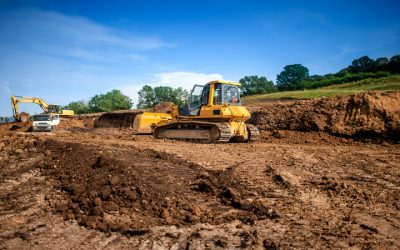
A reliable driveway project starts long before asphalt or gravel is laid, with proper excavation, grading, and drainage planning that determines how long the surface will last. Homeowners researching driveway installers are often looking for a contractor who understands site preparation as much as surface finishing, since a driveway is only as stable as the ground beneath it.
Jefferson, WI, sits on a mix of clay-heavy and glacial till soils typical of south-central Wisconsin, which can shift seasonally and affect how well a driveway base holds up over time. According to the USDA Natural Resources Conservation Service soil survey resources, understanding local soil composition is a standard step in planning durable outdoor construction, including driveways and grading work. A contractor who evaluates soil conditions before recommending a base depth or drainage layout shows a practical, not promotional, approach.
What Separates Dependable Installers From the Rest
Several practical indicators consistently show up with contractors who deliver lasting results.
• Site evaluation before quoting. Reliable installers visit the site to assess slope, soil, and existing drainage patterns before giving a price.
• Clear scope of work. Written estimates should specify base material depth, compaction method, and grading plan, not just a flat square-footage price.
• Documented equipment and process. Installers who explain how they handle excavation, grading, and base compaction tend to produce fewer callbacks for cracking or pooling water.
• Realistic timeline communication. Good contractors discuss weather delays, especially during Wisconsin’s spring thaw season, upfront rather than glossing over them.
Comparing Driveway Preparation Approaches
The table below outlines common site-preparation methods and how they typically perform over time, based on general excavation and grading industry practices.
| Preparation Method | Typical Use Case | Longevity Consideration |
| Minimal grading, thin base | Low-budget gravel driveways | Higher risk of rutting and erosion |
| Standard excavation with compacted base | Asphalt or concrete driveways | Moderate to long-term stability |
| Full excavation with engineered drainage | Sites with clay soil or slope | Best long-term performance in variable soil |
| No excavation, surface overlay only | Driveway resurfacing | Shortest lifespan, cosmetic fix only |
This comparison shows why asking about the preparation method matters more than asking only about the final surface material.
Questions to Ask Before Hiring
A short list of direct questions can reveal whether a contractor’s process matches what a durable driveway actually requires.
1. How will drainage be managed if the site has a slope or clay-heavy soil?
2. What depth and type of base material will be used under the final surface?
3. Will grading address existing water pooling near the garage or street entry point?
4. What is the expected timeline, including weather-related adjustments common in Wisconsin?
Contractors who answer these questions with specifics, rather than general reassurances, are more likely to deliver a driveway that holds up through freeze-thaw cycles.
Frequently Asked Questions
How long does driveway excavation and grading typically take? Timelines vary by site size, soil conditions, and weather, but excavation and base preparation for a standard residential driveway usually take a few days before surface paving begins.
Does soil type in Jefferson, WI, affect driveway durability? Yes. Clay-heavy or poorly draining soil common in parts of south-central Wisconsin can shift or crack if the base isn’t properly excavated and compacted.
Should drainage be addressed separately from paving? Drainage planning is typically part of the excavation and grading phase, not an add-on after paving, since water management affects how the base settles.
Is a permit required for driveway work in Wisconsin? Permit requirements vary by municipality, so homeowners should confirm local rules with their city or county building department before starting work.
Based in Watertown, WI, Koplin Excavating & Grading, Inc. serves homeowners throughout Jefferson, WI, for excavation and grading work tied to driveway preparation and similar site projects. The company’s listed service area covers the surrounding region, with grading and excavation work performed on-site at each customer’s property rather than from a Jefferson-based office or storefront.