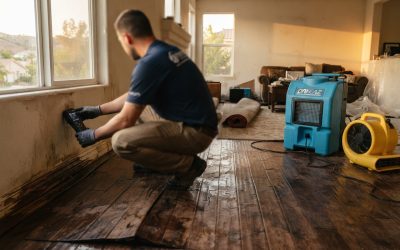
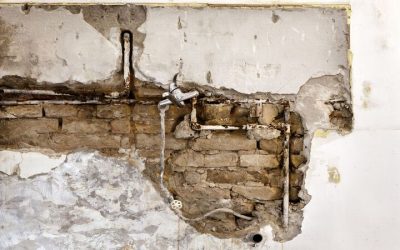
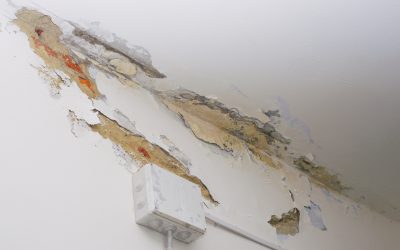
Water exposure can affect more than the flat surface of drywall. Corners, edges, seams, and the materials beneath the finished surface may react differently when moisture reaches them, which can lead to swelling, staining, cracking, or separation around the perimeter of a wall.
Drywall corner beads are designed to create clean, durable edges where two wall surfaces meet. When water reaches these areas, the drywall compound, paper facing, fasteners, and corner bead itself may all be affected. For homeowners in Surprise, AZ, understanding these changes can help clarify why some wall damage requires more than simply repainting the visible area.
What Is a Drywall Corner Bead?
A corner bead is a finishing component installed over an outside drywall corner. It helps create a straight edge and protects the corner from normal bumps and impacts.
Corner beads may be made from metal, vinyl, paper-faced metal, or other materials. Once installed, they are covered with joint compound and finished so the corner appears smooth.
Although the bead itself may not always absorb water, the surrounding drywall and compound can. That means the area can still become damaged even when the corner bead looks intact.
Why Are Drywall Edges Vulnerable to Water?
The edges of drywall panels often contain cut surfaces, seams, fasteners, or exposed paper layers beneath the finished coating.
When water reaches a wall from the floor upward, these lower edges can begin absorbing moisture. Water may also move through nearby baseboards, flooring transitions, wall cavities, or adjoining rooms.
Because drywall contains a gypsum core covered by paper, extended moisture exposure can change its texture and strength. The paper facing may loosen, the gypsum may soften, and joint compound around corners or seams may begin to deteriorate.
During water restoration, evaluating these wall edges can be important because surface appearance does not always show how far moisture has traveled.
What Happens to Metal Corner Beads After Water Exposure?
Metal corner beads are generally durable, but prolonged moisture exposure can still create concerns.
If moisture reaches unprotected metal, corrosion may eventually develop. Rust may later become visible through joint compound or paint as brown or orange discoloration.
The surrounding compound may also crack or separate if the drywall behind the bead swells or changes shape.
This does not mean every wet metal corner bead must automatically be removed. The condition of the bead, surrounding drywall, fasteners, and finish materials should be considered together before Water Damage Repair begins.
What About Vinyl or Paper-Faced Corner Beads?
Vinyl corner beads do not rust, but the materials around them can still become damaged.
Water may soften the drywall underneath, loosen joint compound, or affect adhesives used in certain installation systems. Paper-faced products may also experience separation if the paper or bonding material becomes saturated.
As a result, the visible corner may begin bubbling, cracking, lifting, or losing its sharp shape.
These changes can sometimes appear after the initial water event has already been addressed, especially if moisture remained behind the finished surface for some time.
What Signs Can Suggest Damage Around a Wall Edge?
Several visible changes may indicate that moisture has affected a drywall edge or corner.
Homeowners may notice peeling paint, bubbling surfaces, softened drywall, staining, cracking along a corner, loose joint compound, or an edge that no longer appears straight.
A baseboard pulling away from the wall can also draw attention to moisture damage near the bottom edge of drywall.
However, the absence of visible damage does not necessarily confirm that the wall is unaffected. Moisture can sometimes remain inside the lower portion of a wall before obvious surface changes develop.
That is why Water Damage Mitigation may involve evaluating both visible and concealed areas rather than relying only on what can be seen from the room.
Can the Corner Bead Stay in Place During Repairs?
Possibly.
If the corner bead remains secure, undamaged, and properly aligned, repairs may sometimes focus on the surrounding drywall and finish materials.
If corrosion, separation, distortion, or significant damage has occurred, replacing the bead may provide a more stable surface for finishing.
The condition of the drywall beneath it also matters. A corner bead should not simply be covered with fresh joint compound if the material supporting it has become soft or deteriorated.
Water Damage Repair should address the damaged layers before cosmetic finishing begins.
Why Can Wall Edges Require Different Repairs Than Flat Drywall?
Flat sections of drywall are generally easier to inspect and finish because they provide a broad, accessible surface.
Corners and wall edges contain multiple layers and transitions. A single outside corner may involve two drywall panels, a corner bead, joint compound, fasteners, primer, and paint.
If water affects several of those components, restoring the original shape may require more precise repair work.
Edges near doorways, cabinets, baseboards, or flooring transitions can also be harder to access, making the location of the damage an important factor in determining the repair approach.
Should Water-Damaged Drywall Be Repaired Before Painting?
Yes, the condition of the drywall should be addressed before cosmetic finishes are applied.
Painting over a damaged wall edge may temporarily hide staining or discoloration, but it will not correct softened drywall, loose compound, corrosion, or separation beneath the surface.
For property owners in Surprise, AZ, allowing Water Damage Mitigation and drying work to be completed before finishing repairs can help ensure that the wall is ready for patching, texturing, priming, and painting.
What Should Homeowners Do After Finding Damage Around a Drywall Corner?
Avoid assuming that a cracked or stained corner is only a paint problem, especially if a leak or other water event recently occurred nearby.
The affected wall, surrounding flooring, baseboards, and adjoining materials may need to be evaluated to determine how far moisture traveled.
If a drywall corner or wall edge has been exposed to water, consider having the area assessed before patching or repainting it. Identifying which layers were affected can help determine whether localized Water Damage Repair is enough or whether additional wall materials need attention.