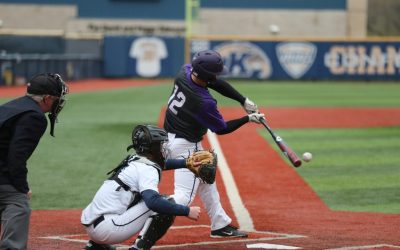
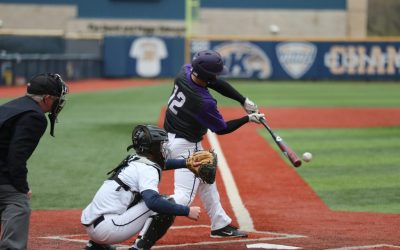
A baseball recruiting contact tracker is a centralized record of every program, coach interaction, follow-up date, and requested action in an athlete’s recruiting process. It helps players communicate consistently, avoid missed opportunities, and decide what to do next based on actual coach responses rather than memory.
Recruiting can involve dozens of programs, multiple coaches at each school, changing schedules, video updates, phone calls, camps, and visits. Without a reliable system, athletes may forget conversations, send duplicate messages, or fail to provide information a coach requested.
Why Is a Recruiting Contact Tracker Important?
Coach communication rarely follows the same pattern at every program. One coach may request updated video, another may ask for a tournament schedule, and another may suggest reconnecting after the season.
A tracker turns those conversations into specific next steps. Instead of wondering whether it is time to follow up, an athlete can review the last interaction, identify what was discussed, and determine whether there is meaningful information to share.
It also helps athletes recognize patterns. If several coaches request stronger game footage or updated measurements, that feedback may reveal what the recruiting profile needs next.
What Information Should the Tracker Include?
Each row should represent one college program. The athlete should record the school name, division, location, coach names, staff roles, email addresses, phone numbers, and program website.
Communication fields should include:
- Date of first contact
- Date of most recent contact
- Type of interaction
- Summary of the conversation
- Information requested by the coach
- Athlete’s next action
- Follow-up date
- Current level of coach engagement
The tracker should also include links to the athlete’s video, profile, schedule, and any questionnaire submitted to the program. Keeping these details together reduces the chance of sending outdated materials.
How Should Coach Interest Be Recorded?
Athletes should avoid labeling a program as highly interested based on one email, questionnaire request, or camp invitation. Interest should be recorded using observable actions.
A simple system might use categories such as no response, introductory contact, active evaluation, requested update, phone conversation, visit discussion, or no current roster need.
Notes should remain factual. For example, “Coach requested updated pitching video after spring season” is more useful than “Coach really likes me.”
This prevents families from treating a polite response as a commitment and makes it easier to compare programs objectively.
How Often Should Athletes Update the Tracker?
The tracker should be updated immediately after every email, call, text, visit, camp interaction, or meaningful coach response. Waiting several days increases the likelihood that specific details will be forgotten.
Athletes should also schedule a short weekly review. During that review, they can identify unanswered messages, upcoming follow-ups, new video to send, and programs that require additional research.
Monthly reviews can be used to remove programs that no longer fit, add new possibilities, and update contact information after coaching-staff changes.
How Can Athletes Track Communication With College Coaches?
Athletes should record both outgoing and incoming communication. This includes the original introduction, every follow-up, coach replies, requested materials, and any deadlines mentioned.
A practical resource on how to track communication with college coaches can help families connect communication tracking with broader baseball recruiting decisions. TAC College Recruitment emphasizes organized outreach, realistic school research, and clear athlete participation throughout their guidance.
Every follow-up should have a reason. New statistics, updated video, verified measurements, schedule changes, or recent performance are useful reasons to reconnect. Repeatedly asking whether a coach saw the previous message adds little value.
Which College Recruiting Tools and Apps Are Useful?
A basic spreadsheet is often enough. It can be sorted by follow-up date, division, location, position need, or communication status.
Calendar apps are useful for reminders, phone calls, camp dates, and visits. Cloud storage can keep current video links, resumes, schedules, and documents available from any device.
Email folders or labels can separate recruiting messages from school and personal communication. Athletes may also use task-management apps to assign deadlines and recurring reminders.
The best tool is the one the athlete will update consistently. A complicated platform offers little value if the information becomes outdated.
What Should Be on a College Recruiting Checklist for Juniors?
Junior-year athletes should confirm that their contact information, graduation year, position, team details, statistics, measurements, video, and schedule are current.
They should also:
- Build a realistic list of programs
- Research coaching staffs and rosters
- Submit program questionnaires when appropriate
- Send personalized introductions
- Track every interaction
- Prepare questions for coach calls
- Update coaches after meaningful progress
- Review the target list regularly
This checklist should be adjusted based on the athlete’s position, development, current coach interest, and competition schedule.
How Does the Tracker Improve Baseball Recruiting Strategy?
A contact tracker provides evidence for better decisions. If a program has not responded after several useful updates, the athlete may need to redirect time toward more responsive schools.
If a coach repeatedly asks for specific information, the athlete should prioritize providing it. If roster research shows limited opportunity at a position, the program may need to move lower on the list.
A useful college recruiting strategy guide should not remain static. It should change as new information becomes available.
What Communication Mistakes Should Athletes Avoid?
Athletes should not rely on memory, contact multiple coaches at the same program with conflicting information, or send materials that differ across platforms.
They should avoid missing scheduled calls, failing to answer direct questions, sending the same generic email repeatedly, and following up without checking previous notes.
Parents may help review the tracker, but athletes should remain responsible for their own coach communication whenever possible.
What Is the Best Next Step?
Create a tracker with program details, communication history, coach feedback, next actions, and follow-up dates. Update it after every interaction and review it once each week.
An organized contact system does more than store information. It turns baseball recruiting conversations into clear, manageable actions and helps athletes focus their time on programs where realistic opportunities may be developing.