Foot pressure mapping helps identify how weight moves across the feet during standing and walking. For Phoenix residents with foot pain, numbness, diabetes, balance concerns, or changing walking patterns, early pressure evaluation may help guide care before small problems become long-term mobility limitations.
Many people do not realize how much the feet influence posture, balance, and daily movement. When pressure is uneven, certain areas of the foot may absorb more force than they should. Over time, this may lead to calluses, joint strain, arch fatigue, bunion irritation, heel pain, or skin breakdown in patients with reduced sensation.
What Is Foot Pressure Mapping?
Foot pressure mapping is an assessment that helps show where the highest pressure points occur under the feet. Depending on the clinical setting, this may involve observing standing posture, walking patterns, shoe wear, callus formation, and areas of tenderness. Some providers may also use digital pressure tools to collect more detailed information.
The goal is to understand how the foot functions in real life. A patient may feel pain in one area, but the source of that pain may come from pressure shifting somewhere else. For example, limited big toe motion may place more force under the smaller toes. A flattened arch may increase strain along the inside of the foot. High arches may concentrate pressure under the heel and ball of the foot.
By identifying these patterns early, providers can recommend support strategies that reduce stress and improve comfort during daily activity.
Why Does Pressure Distribution Affect Mobility?
Walking requires the foot to absorb shock, stabilize the body, and push forward with each step. When pressure is evenly distributed, movement tends to feel more efficient. When pressure is concentrated in certain areas, the body may compensate.
These compensations may include shorter steps, altered posture, limping, toe gripping, or shifting weight to one side. Over time, compensation can affect the knees, hips, lower back, and overall confidence while walking.
For active Phoenix residents, uneven pressure may become more noticeable during long walks, work shifts, errands, or exercise. Hard surfaces, warm weather, and prolonged standing can make symptoms more apparent.
How Can Pressure Mapping Help With Custom Foot Orthotics?
Custom foot orthotics are designed to support the foot based on its structure, movement, and pressure patterns. Foot pressure evaluation can help determine where support is needed most.
Unlike general shoe inserts, custom orthotics are made to address specific concerns such as arch instability, heel pressure, forefoot overload, bunion irritation, plantar fasciitis, or balance concerns. The information gathered during an exam can help guide the shape, material, and support level of the orthotic.
Patients searching for orthotics Phoenix options may benefit from understanding that orthotics are not just about cushioning. They are often used to improve alignment, reduce concentrated pressure, and support long-term mobility.
Why Is Pressure Mapping Important for Neuropathy?
Pressure evaluation is especially important for patients with numbness, tingling, burning, or reduced sensation in the feet. A neuropathy foot exam Phoenix patients receive may include checking sensation, circulation, skin condition, nail health, and pressure areas.
Neuropathy can reduce the ability to feel discomfort from rubbing or pressure. This means a patient may not notice that a shoe, callus, or walking pattern is creating stress on the skin. For people with diabetes or circulation problems, this can increase the risk of wounds and delayed healing.
Pressure mapping helps identify high-risk areas before the skin breaks down. This allows patients and providers to focus on prevention through footwear changes, orthotics, padding, routine monitoring, and daily foot checks.
What Signs Suggest You May Need a Pressure Evaluation?
A pressure evaluation may be helpful if you notice recurring foot pain, calluses, uneven shoe wear, bunion discomfort, heel pain, arch fatigue, toe pain, or changes in your walking pattern.
Patients with diabetes, neuropathy symptoms, prior wounds, balance concerns, or foot deformities may also benefit from early evaluation. Even if pain is mild, pressure patterns may reveal why symptoms keep returning.
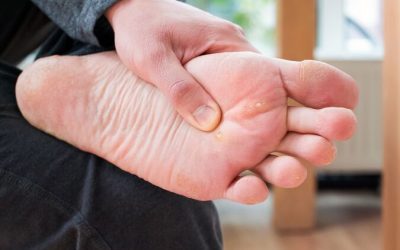
Warning signs may include redness after removing shoes, thick callus buildup, pain under the ball of the foot, one shoe wearing down faster than the other, or feeling unstable on uneven ground.
How Do Shoes Influence Pressure Patterns?
Footwear plays a major role in pressure distribution. Shoes that are too narrow may squeeze the toes and increase pressure around bunions, hammertoes, or forefoot joints. Shoes without enough support may allow the arch to collapse or the heel to shift excessively.
Worn-out shoes can also change how pressure moves through the foot. Cushioning compresses over time, and soles may wear unevenly. When that happens, the foot may have to work harder to stay balanced.
Supportive shoes with adequate width, depth, cushioning, and stability can help orthotics function properly. When shoes and orthotics work together, pressure may be distributed more evenly across the foot.
Can Early Pressure Mapping Prevent Future Problems?
Early pressure mapping may not prevent every foot condition, but it can help identify risk factors before they become more difficult to manage. For example, a callus under the ball of the foot may suggest excess pressure that could worsen without support. A bunion may indicate shifting mechanics that affect neighboring toes. Reduced sensation may require closer monitoring to prevent hidden injuries.
Early evaluation gives patients more options. Conservative strategies such as shoe changes, padding, custom foot orthotics, stretching, and activity adjustments may be more effective when used before pain or deformity becomes advanced.
What Happens During a Foot Pressure and Orthotics Evaluation?
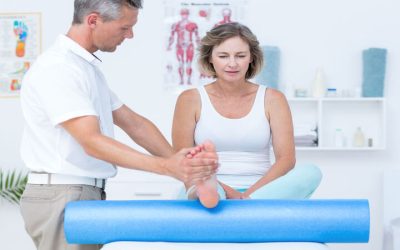
A podiatry evaluation may begin with a discussion of symptoms, medical history, activity level, footwear, and daily routines. The provider may examine foot structure, arch height, joint motion, skin condition, calluses, balance, circulation, and sensation.
For patients with numbness or tingling, the exam may also include nerve-related testing as part of a neuropathy evaluation. For patients needing support, the provider may discuss whether orthotics are appropriate and what type of design may be most helpful.
Support Better Mobility Before Foot Pressure Becomes a Bigger Problem
Uneven foot pressure can affect comfort, balance, skin health, and long-term mobility, especially for patients with neuropathy symptoms or recurring pain. Valley Foot Care, Inc. helps Phoenix-area patients identify pressure patterns and explore supportive options, including custom foot orthotics for long-term mobility support. Schedule an evaluation to take a proactive step toward safer, more comfortable movement.