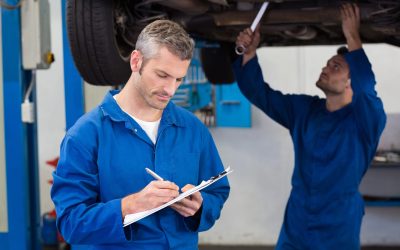
For drivers in Terrace, BC, tire rotation is usually recommended every 8,000 to 10,000 kilometres, or around every second oil change, depending on the vehicle, tire type, and driving habits. Regular rotation helps tires wear more evenly, improves handling, and may extend the life of the full set.
Tires do not wear at the same rate on every vehicle. Front tires often handle more steering and braking pressure, while rear tires may wear differently depending on whether the vehicle is front-wheel drive, rear-wheel drive, all-wheel drive, or four-wheel drive. Add Terrace’s mix of wet roads, seasonal temperature changes, hills, work vehicles, and highway driving, and tire maintenance becomes an important part of routine auto care.
Why Tire Rotation Matters for Terrace Roads
Tire rotation is the process of moving tires to different positions on the vehicle so wear is distributed more evenly. For example, front tires may be moved to the back, rear tires may move forward, and some tires may cross sides depending on the vehicle and tread pattern.
In a place like Terrace, where drivers may deal with rain, changing road surfaces, gravel, colder months, and seasonal tire changeovers, tire wear can happen faster than expected. Uneven wear can reduce traction, affect braking, create vibration, and make the vehicle feel less stable on the road.
A regular tire rotation service helps drivers stay ahead of these issues before they become more noticeable. For many drivers, it is a simple maintenance step that supports safer handling and better tire performance over time.
How Often Should Tires Be Rotated?
A common guideline is to rotate tires every 8,000 to 10,000 kilometres. However, the right schedule can vary. Drivers who commute daily, travel long distances, carry heavy loads, tow trailers, or drive on rougher roads may need service more often.
Some vehicle manufacturers provide a specific tire rotation schedule in the owner’s manual. This is usually the best place to start. If the vehicle uses all-wheel drive or four-wheel drive, tire rotation may be especially important because uneven tread depth can place extra strain on drivetrain components.
Drivers should also pay attention to how the vehicle feels. If the steering wheel vibrates, the vehicle pulls to one side, or the tires show uneven tread patterns, it may be time to have the tires inspected even if the mileage interval has not been reached.
Tire Rotation vs. Tire Balancing
Tire rotation and tire balancing are related, but they are not the same service.
Tire rotation changes where each tire sits on the vehicle. Tire balancing corrects uneven weight distribution within the wheel and tire assembly. When a tire and wheel are not balanced properly, the driver may feel shaking or vibration, especially at higher speeds.
Tire balancing is often recommended when new tires are installed, when tires are remounted, or when vibration appears after a tire change. In some cases, a driver may need both rotation and balancing if the tires are wearing unevenly and the vehicle does not feel smooth on the road.
For Terrace drivers who switch between winter and summer tires, balancing can also be important during seasonal tire change appointments. Proper balancing helps the tires roll evenly, which can support smoother driving and reduce unnecessary wear.
What Are the Signs Tires Need Rotation?
Tire wear is not always obvious at first glance, but there are several signs drivers can watch for.
One common sign is uneven tread depth. If the front tires look more worn than the rear tires, or one side appears to be wearing faster, rotation may be needed. Another sign is vibration while driving. While vibration can also point to tire balancing or alignment concerns, tire wear should be inspected as part of the process.
Drivers may also notice reduced traction in wet weather, longer stopping distance, or a rougher ride. These issues may develop slowly, which is why routine inspections are helpful. By the time tire wear becomes easy to feel, the tires may already have lost some performance.
How Seasonal Tire Changes Affect Rotation Timing
In Terrace, many drivers change between winter tires and all-season or summer tires. A seasonal tire change is a good opportunity to check tread depth, inspect for damage, review tire pressure, and rotate tire positions if appropriate.
When tires are removed and stored, their previous position should be noted. This helps ensure they are placed correctly during the next installation. Without proper tracking, the same tires may end up in the same positions again, which can lead to repeated uneven wear.
Seasonal service is also a good time to look for punctures, sidewall damage, cracks, bulges, or embedded objects. Small issues can become larger problems if ignored, especially when the vehicle is driven regularly in wet or changing conditions.
Can Tire Rotation Help Tires Last Longer?
Tire rotation cannot prevent all tire wear, but it can help tires wear more evenly. Even wear is important because it allows the full set of tires to perform more consistently. When one or two tires wear out faster than the others, drivers may need to replace tires sooner than expected.
Even tread also supports better handling, braking, and traction. This matters in everyday driving, but it becomes even more important during rain, colder temperatures, and sudden stops. Tire rotation is not just about tire life; it is also about keeping the vehicle predictable on the road.
When Should Drivers Ask About Tire Balancing?
Drivers should ask about tire balancing if they feel shaking in the steering wheel, seat, or floorboard. Vibration that becomes more noticeable at certain speeds is a common sign of imbalance.
Balancing may also be needed after a tire change, after a tire repair, or when new tires are installed. If a vehicle has recently hit a pothole or curb, it may also be smart to have the tires and wheels inspected.
Since vibration can come from several causes, including tire wear, wheel balance, alignment, or suspension concerns, a proper inspection is the best way to understand what is happening.
Tire Maintenance Is Part of Safer Driving
For drivers in Terrace, BC, tire rotation should be part of regular vehicle maintenance. A good rule of thumb is every 8,000 to 10,000 kilometres, but driving conditions, vehicle type, and tire condition can change that timeline.
Routine tire rotation, tire balancing, and seasonal tire change appointments all work together to support smoother handling, better traction, and longer tire life. By checking tires before problems become serious, drivers can feel more confident through changing weather, daily commutes, and longer trips around northwest British Columbia.