Water stains inside a commercial property do not always mean the roof is leaking. Moisture may enter through damaged roofing materials, but it can also form indoors when warm, humid air meets a cooler surface.
For property owners in Phoenix, AZ, identifying the source matters because roof leaks and condensation require different solutions. Treating the wrong problem may allow moisture to continue damaging insulation, ceilings, walls, equipment, and stored materials. A careful evaluation can determine whether commercial roof leak repair, mechanical adjustments, insulation work, or a combination of services is needed.
What Usually Causes a Commercial Roof Leak?
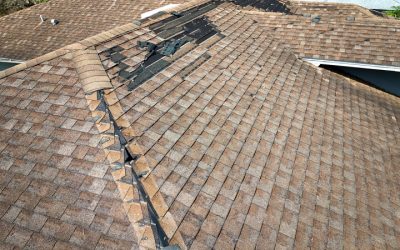
A commercial roof leak begins when water passes through the roofing system. Common entry points include open seams, cracked flashing, punctures, loose fasteners, damaged membranes, deteriorated sealants, and poorly sealed roof penetrations.
Leaks may also develop near drains, scuppers, rooftop HVAC curbs, skylights, vents, and expansion joints. During heavy Phoenix rainfall, blocked drainage can cause water to collect around vulnerable areas and increase pressure on small openings.
The visible stain is not always directly beneath the source. Water can travel along decking, insulation, pipes, or structural components before dripping into an occupied space. This is why surface-level assumptions often lead to incomplete repairs.
How Does Interior Condensation Form?
Condensation develops when moisture in the air changes into liquid after contacting a cooler surface. In commercial properties, this may occur on ducts, pipes, metal roof decks, ceiling panels, or poorly insulated areas.
Restaurants, warehouses, gyms, medical spaces, laundries, and facilities with significant indoor moisture may experience higher condensation risk. Temperature differences between cooled interiors and hot exterior surfaces can also contribute to moisture movement.
An HVAC issue, air leak, missing insulation, or inadequate vapor control may cause water droplets to form even when the commercial roofing system is intact. The moisture may then drip onto ceilings and create stains that resemble a roof leak.
What Clues Help Distinguish the Two Problems?
Timing provides useful information. A stain that appears during or shortly after rainfall may indicate a roof-related issue. Moisture that develops during cooling cycles, humid operating conditions, or periods without rain may point toward condensation.
Location also matters. Roof leaks often appear near penetrations, seams, drains, or rooftop equipment. Condensation may be more widespread or follow ductwork, pipes, and metal surfaces.
The appearance of the moisture can offer clues, but it is not conclusive. Brown stains may indicate water traveling through dirty insulation or roof materials, while clear droplets may suggest condensation. Both conditions can occur at the same time, making a complete investigation important.
Why Can the Wrong Diagnosis Become Costly?
Applying roofing material over a suspected leak will not stop condensation caused by airflow, insulation, or mechanical problems. Likewise, adjusting indoor humidity will not correct an opening in the roof membrane.
An incorrect diagnosis may delay the proper solution while moisture continues spreading. Wet insulation can lose thermal performance, support odors, and hide deterioration. Repeated ceiling replacement may address the visible symptom without resolving the source.
Commercial roof leak repair should be based on documented entry points and verified roof conditions. A licensed roofing contractor can assess the exterior system while HVAC or building-envelope professionals examine interior moisture sources.
How Is a Commercial Roof Leak Investigated?
The process usually begins with a review of when and where the moisture appears. Maintenance records, recent rooftop work, weather conditions, and photographs can help identify patterns.
A roof evaluation may include checking seams, flashing, drains, curbs, penetrations, patches, and high-traffic areas. Moisture meters or other diagnostic methods may help locate damp materials beneath the surface.
Interior areas should also be examined. Investigators may inspect ducts, pipes, insulation, ceiling cavities, and air pathways. Coordinating exterior and interior findings provides a more reliable conclusion than examining only one side of the roof assembly.
What Should Property Owners Do When Moisture Appears?
Document the affected area before moving ceiling tiles or drying surfaces. Record the date, weather, HVAC activity, and any recent rooftop service. These details can help professionals recognize recurring patterns.
Protect equipment, inventory, and occupied areas from dripping water. Avoid making temporary changes that hide the source before it can be inspected. If standing water is present near electrical components, restrict access and arrange appropriate assistance.
Property owners should also review maintenance records to determine whether the roof, HVAC system, or insulation has a history of similar issues.
Stop Moisture Damage Before It Spreads
Do not let an uncertain water stain develop into recurring ceiling damage, wet insulation, or interrupted operations. Schedule a coordinated evaluation that examines roofing surfaces, drainage, penetrations, airflow, and interior temperature conditions. Consult experienced local roofing contractors to determine whether commercial roof leak repair is needed and establish a focused plan that protects your Phoenix property from continuing moisture problems.