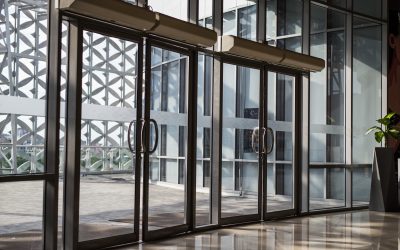
When it comes to protecting your business and projecting a professional image, your building’s doors play a critical role. More than just entry points, commercial doors help define your facility’s security posture and curb appeal. For property managers, building owners, and facility directors, selecting the right commercial door supplier is an essential step in achieving both function and form.
Why Commercial Door Quality Matters?
The doors installed on your premises are the first line of defense against unauthorized access, vandalism, and environmental elements. At the same time, they contribute to the visual identity of your business—offering a first impression to clients, tenants, and employees alike.
Benefits of investing in high-quality commercial doors include:
- Enhanced protection against intrusion and property damage
- Fire and life safety code compliance
- Energy efficiency through insulated and properly sealed designs
- A professional, consistent appearance aligned with your brand
What to Look for in a Commercial Door Supplier?
Choosing a trusted supplier ensures you receive products and services that meet your building’s operational and aesthetic goals. Consider the following when evaluating vendors:
Product Range and Customization Options
Look for suppliers that offer a comprehensive selection of door types, including:
- Steel and aluminum doors for high-security zones
- Glass storefront doors for visibility and aesthetics
- Fire-rated doors for life safety compliance
- Specialty and custom-designed doors to meet unique architectural or performance requirements
Suppliers should also offer customization options such as integrated vision panels, hardware selections, finish variations, and access-control compatibility.
Technical Expertise and Installation Services
A knowledgeable supplier doesn’t just sell products—they offer guidance. Expect clear recommendations based on:
- Your building’s occupancy type and use case
- Performance requirements (e.g., fire rating, acoustic, energy)
- Compliance with ADA, NFPA, and local code regulations
Many reputable vendors also provide professional installation services to ensure proper fit, alignment, and hardware integration.
Code Compliance and Certification
Doors must meet a range of codes and standards, including:
- Fire safety (NFPA 80, UL 10C)
- Accessibility (ADA, ANSI A117.1)
- Energy efficiency (IECC or Title 24)
- Egress and occupancy-specific codes (IBC, NFPA 101)
Working with certified suppliers helps ensure your building remains code-compliant and reduces liability.
Maintenance and Lifecycle Support
Commercial doors are subject to daily wear, weather conditions, and occasional misuse. A dependable supplier will offer:
- Preventive maintenance programs
- Emergency repair services
- Warranties and service agreements
- Support for hardware upgrades or retrofits
Proactive support extends the life of your investment and ensures your building stays secure and operational.
Blending Security with Curb Appeal
Modern commercial doors strike a balance between protection and design. Whether you’re managing a retail storefront, corporate office, warehouse, or healthcare facility, the right doors enhance both physical security and visual impact.
From sleek aluminum and glass entry systems to rugged steel service doors, today’s options can be tailored to your building’s unique architecture while incorporating features like:
- Electronic access controls
- Reinforced frames and locks
- Energy-efficient glazing and insulation
- Tamper-resistant or impact-rated hardware
Making a Smart Investment
Selecting the right commercial door supplier means more than comparing product catalogs. It involves assessing vendor reliability, understanding your site-specific needs, and confirming alignment with safety standards and long-term goals.
Before making a decision:
- Request on-site assessments
- Ask about product certifications and project experience
- Review client testimonials and support offerings
- Compare warranty terms and service response times