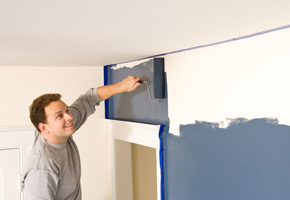
Painting a commercial building is no small task. It requires attention to detail, careful planning, and a deep understanding of both the building materials and the environment. While painting can enhance the aesthetic appeal and protect the structure, several mistakes can result in subpar results and unnecessary expenses.
Now, let’s explore six common commercial building painting mistakes to avoid and offer helpful advice for ensuring your painting project is a success.
1. Skipping Proper Surface Preparation
Surface preparation is one of the most crucial steps in commercial building painting. Without proper preparation, even the best paint won’t adhere correctly, leading to poor results that fade quickly. Common mistakes in this area include neglecting to clean the surface, failing to repair cracks and holes, or painting over unsound materials.
Before starting any painting project, the surface should be thoroughly cleaned to remove dirt, dust, grease, and old paint. This ensures that the new paint bonds well and lasts longer. Additionally, addressing any repairs such as filling cracks or holes is vital to prevent the paint from peeling or cracking down the line. In some cases, professional commercial building painters, like a trusted painting service, can provide expert surface preparation to ensure lasting results.
2. Using Low-Quality Paint
While it may be tempting to cut costs by using cheaper paint, doing so can have negative consequences on both the appearance and longevity of the paint job. Low-quality paints are more likely to fade, chip, or peel prematurely, especially in commercial buildings that experience high traffic and exposure to the elements.
Investing in high-quality paint ensures that the paint job lasts longer and requires fewer touch-ups. Moreover, good-quality paints tend to provide better coverage, meaning fewer layers are needed to achieve a smooth finish. For commercial buildings, choosing the right type of paint for the specific surface is essential, whether it’s for the exterior, interior, or high-traffic areas.
3. Ignoring Weather Conditions
Commercial building painting is best done under specific weather conditions, as extreme temperatures or humidity levels can affect how the paint adheres to surfaces and dries. Mistakes can happen when the painting process is done during unfavorable weather, such as painting in direct sunlight, extreme heat, or high humidity. These conditions can lead to uneven drying, bubbling, or streaking.
The best time to schedule a painting job is during mild weather—neither too hot nor too cold. The ideal conditions for painting usually involve temperatures between 50 and 85 degrees Fahrenheit. By consulting with commercial building painters who are familiar with these conditions, you can ensure that the job is done when the weather is right for a long-lasting finish.
4. Poor Color Choices
While the colors you choose for your commercial building can reflect your brand’s image and create the right atmosphere, selecting the wrong shades can lead to a disappointing outcome. For example, too dark of a color can make a space feel smaller or too gloomy, while overly bright or bold colors may clash with the surrounding environment.
When choosing colors for your building, it’s important to consider the architectural style, surrounding landscape, and your brand’s aesthetic. Professional commercial painters can offer valuable insight into color psychology and how it can affect the perception of your business. Additionally, they can advise on whether certain colors are more suitable for specific areas, such as the exterior versus interior, and ensure the final result enhances your building’s look and feel.
5. Failing to Address Maintenance Needs
Commercial buildings require regular maintenance to preserve the appearance and structural integrity of the paint job. Failing to plan for long-term maintenance can lead to the paint deteriorating faster, resulting in costly repairs or repainting jobs down the line. Neglecting regular touch-ups, cleaning, or repainting at the right intervals will also impact the building’s overall curb appeal.
It’s important to consider the maintenance requirements of the paint and develop a schedule for regular inspections, cleaning, and touch-ups. Commercial building painting is an investment that can be sustained with the right upkeep. Professional painters can offer guidance on how often maintenance should occur based on the type of paint used and the environmental conditions your building is exposed to.
6. Overlooking the Importance of Experienced Painters
Commercial building painting requires skill and experience, and hiring an inexperienced or unqualified contractor can lead to numerous issues, such as uneven application, missed spots, and poor finishing. While it may be tempting to hire the cheapest option available, this often leads to a rushed job that doesn’t meet the necessary standards.
Professional commercial painters bring years of experience, knowledge of best practices, and high-quality equipment to the table. They are also trained to work efficiently while maintaining high standards of safety. When you choose experienced commercial painters, you can expect precise work, attention to detail, and a paint job that lasts for years to come.
Final Thoughts
When it comes to commercial building painting, avoiding these common mistakes is key to achieving a beautiful, durable result. Proper surface preparation, using high-quality paint, considering weather conditions, selecting the right colors, planning for maintenance, and working with experienced painters all play vital roles in the success of your painting project.
If you’re planning to paint your commercial building, ensure you’re working with professionals who understand the intricacies of commercial painting. By avoiding these mistakes and following best practices, you can achieve a paint job that not only enhances the aesthetic appeal of your building but also provides long-lasting protection and value.