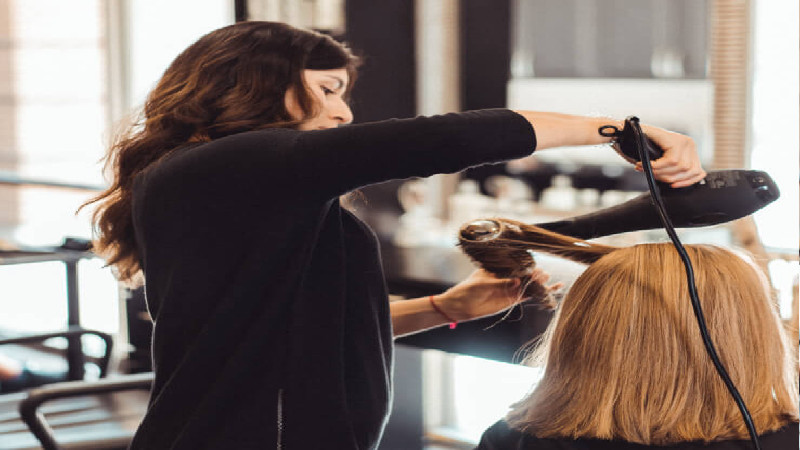
Partial balayage highlights add strategically placed brightness around the face, crown, or upper layers without lightening the entire head. This approach preserves natural depth through the interior and underneath sections while creating a lighter, more dimensional appearance where it is most visible.
Unlike a full balayage, which distributes painted highlights across more areas of the hair, a partial service focuses on selected sections. The result can be subtle or high-contrast depending on the starting color, placement, desired tone, and amount of lift.
What Are Partial Balayage Highlights?
Partial balayage is a targeted form of balayage hair coloring. Instead of painting lightener throughout the full head, the stylist concentrates on specific areas that will create the greatest visual impact.
Common placement areas include:
- The front hairline
- Sections around the face
- The top layer
- The crown
- Areas near the natural part
- Selected midlengths and ends
The lower and interior sections may remain darker. This creates depth beneath the lighter pieces and prevents the color from looking flat or uniformly bright.
A partial balayage may be appropriate for clients who want a visible update without changing their entire color pattern. It can also help maintain an existing balayage when most of the brightness is still present but the front or upper sections need refreshing.
How Does Face-Framing Placement Create More Brightness?
Hair around the face is highly visible because it sits near the complexion and catches light during movement. Brightening these sections can make the overall hair color appear lighter even when much of the hair remains untouched.
The placement can range from soft, delicate ribbons to stronger face-framing pieces. A subtle approach may use fine painted sections that blend gradually into the natural base. A bolder approach may create brighter contrast near the hairline while maintaining deeper roots and interior color.
The stylist must consider how the client parts and styles their hair. A face frame designed for a center part may need different placement than one created for a side part. Layers, fringe, curl pattern, and natural growth direction also affect where the lightened pieces should begin and end.
How Is Partial Balayage Different From Traditional Highlights?
Traditional foil highlights often create a more consistent pattern from the roots through the lengths. Balayage highlights are generally painted with a softer transition and may leave more natural depth near the root.
A partial balayage does not necessarily mean only a few random highlights. It is a planned color design that concentrates brightness where it supports the haircut, face shape, and existing color.
Foils may still be used within a balayage service when additional lift or separation is needed. The defining feature is not simply whether the hair is processed in open air or foil. It is the customized placement and gradual transition between the natural base and lighter sections.
Who May Benefit From a Partial Balayage?
Partial balayage can work well for clients who want:
- More brightness around the face
- A softer update between full color appointments
- Dimension without lightening every section
- Less overall chemical processing
- Natural depth through the lower layers
- A gradual introduction to lighter hair
- A lower-contrast grow-out than traditional root-to-end highlights
It may also suit someone who usually wears their hair down, since the most visible upper sections receive the brightness. Clients who frequently wear high ponytails or updos may need additional placement underneath to keep the color balanced when the hair is lifted.
Can Partial Balayage Work on Dark Hair?
Yes, partial balayage can create visible dimension on dark hair, but the final shade depends on the natural level, artificial color history, condition, and amount of safe lift.
Dark hair reveals warm underlying pigments as it lightens. Depending on the starting shade, the first session may produce caramel, amber, copper, or warm brunette tones rather than pale blonde.
A stylist may use toner to refine unwanted warmth, but toner cannot replace the lift needed to reach a much lighter level. Clients seeking cooler or brighter results may require more than one appointment, particularly when the hair contains previous permanent color.
Preserving darker interior sections can make partial highlights appear brighter by contrast. This allows the hair to gain dimension without requiring every strand to reach the same level.
How Does Hair Condition Affect the Service?
Before performing balayage hair coloring, a stylist should evaluate porosity, elasticity, breakage, previous lightening, and chemical history.
The front sections can be delicate because they are frequently exposed to heat styling, brushing, sunlight, and repeated color services. Although the face frame is often the desired focal point, these strands may require conservative processing.
If the hairline is fragile or highly porous, the stylist may use finer sections, reduced overlap, a lower-contrast goal, or a different placement plan. Previously lightened ends may only need tonal refinement rather than another application of lightener.
The condition of the hair should determine how much brightness is appropriate during each appointment.
Does Partial Balayage Require Less Maintenance?
Partial balayage can offer softer maintenance because the natural root and interior depth remain part of the design. As the hair grows, there is usually no sharp horizontal line across the entire head.
However, maintenance depends on the selected tone and contrast. Very bright face-framing pieces may need more frequent toning than warm, blended highlights. A client’s cleansing routine, sun exposure, heat styling, and water quality can also influence how quickly the tone changes.
Partial appointments may sometimes alternate with full balayage services. For example, a client might refresh the face frame and top sections during one visit, then complete a more extensive brightness update during a later appointment.
How Is the Right Placement Selected?
The most effective placement considers the client’s natural features and normal styling habits rather than following one fixed pattern.
During a consultation, a stylist may evaluate:
- The natural part and hairline
- Face shape
- Haircut and layers
- Curl or wave pattern
- Existing highlights
- Areas that already appear light
- Desired contrast
- Color history
- Preferred maintenance schedule
Clients considering balayage partial highlights in Scottsdale, AZ, can use a consultation to clarify how much of the hair should be lightened. Bravo Salon approaches balayage through customized placement based on the starting color, hair condition, and desired level of brightness.
What Should Clients Look for in a Balayage Hair Salon?
The best balayage salon for a particular client is one that evaluates the hair before promising a result. A thoughtful consultation should include discussion of previous color, realistic lift, expected warmth, toner, hair condition, timing, and future maintenance.
The stylist should also explain whether a partial service will create enough change to meet the client’s expectations. If the desired inspiration includes brightness throughout the back, lower layers, and interior sections, a full balayage may be more suitable.
Partial balayage is most successful when the desired result is focused, strategic, and compatible with the current color.
Can Partial Balayage Create a Noticeable Change?
Yes. Strategically placed highlights can make the entire hairstyle appear brighter without processing every section.
By preserving depth underneath and concentrating lightness around the face, a partial balayage can create contrast, movement, and a refreshed appearance. The result depends less on the number of sections lightened and more on whether those sections are placed where they will have the greatest visual effect.
For clients in Scottsdale, AZ, partial balayage offers a practical way to introduce brightness while maintaining natural depth and a softer grow-out.